
Introducing a New Dog to Your Household
Bringing home a new dog is exciting for you, but your resident dog may see it differently. A new arrival disrupts the household hierarchy and can create stress, resource guarding, or conflict if introductions are rushed.
Choose a Compatible Dog
Done well, most dogs adjust within a few weeks. Done poorly, you can create lasting tension.
Before you commit, consider whether this dog is a good match for your current dog.
Size: A very large dog may overwhelm a smaller one.
Energy level: A sedate older dog won't enjoy a hyperactive puppy. A high-energy dog may frustrate a mellow companion.
Temperament: An assertive, outgoing dog may make a shy dog retreat. Two dominant dogs may clash.
If you're adopting, bring your resident dog to meet the candidate before deciding. Your dog is going to spend more time with this newcomer than you will.
Introduce on Neutral Territory
Don't bring the new dog straight into your home. Your resident dog considers the house, yard, and even the block "theirs."
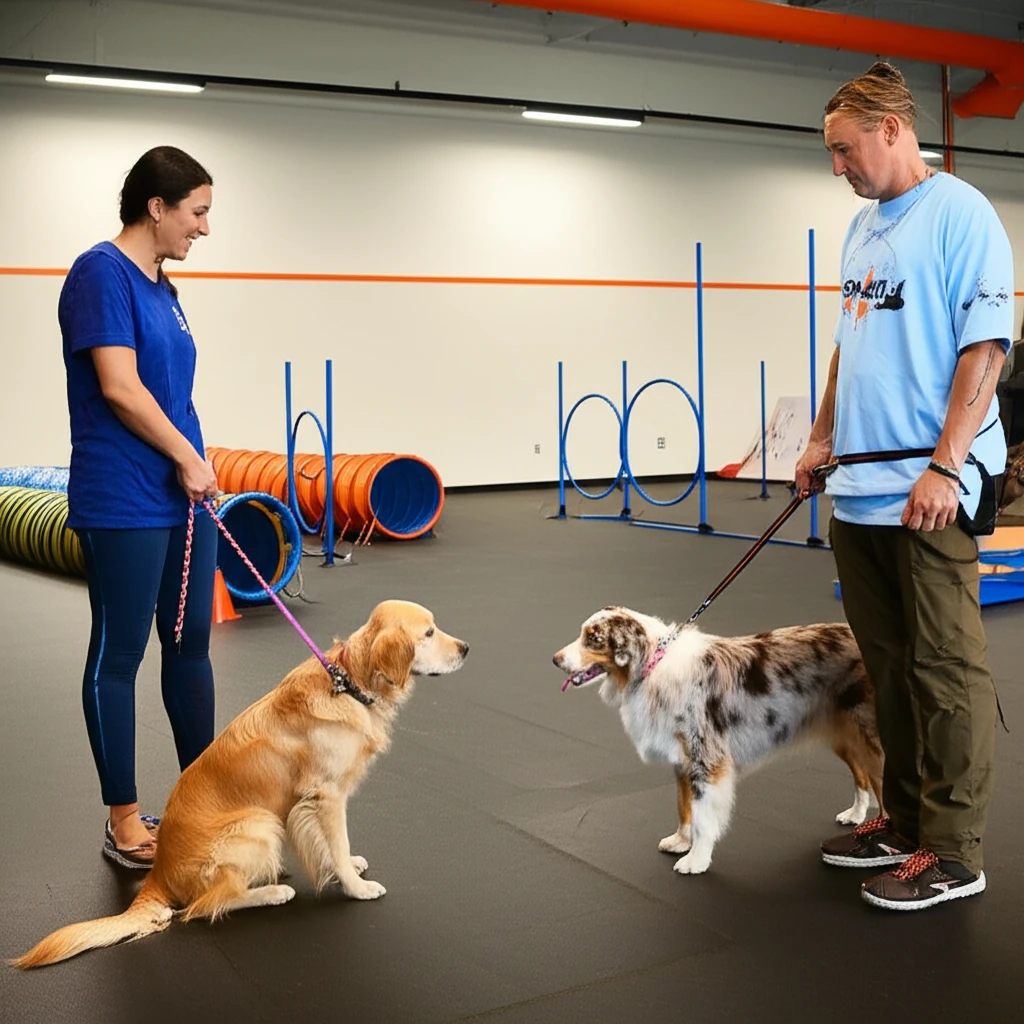
Meet in a neutral location--a quiet park (not a dog park--consider an indoor dog gym instead), a friend's yard, or another area neither dog has claimed. Keep both dogs on leash with some slack. Let them sniff and greet briefly.
Watch for stress signals: hackles raised, stiff posture, hard stares, growling, or lip curls. If either dog shows aggression, end the meeting and reconsider whether this match will work.
If things go well--relaxed body language, play bows, or polite disinterest--let them interact for a few minutes, then separate and give each dog a treat. This creates a positive association with the other dog's presence.
The First Days at Home
When you bring the new dog home, expect some tension. Your resident dog's world has been disrupted.
Feed separately. Food is a common trigger for conflict. Use different rooms or crates until you understand how both dogs behave around resources.
Supervise all interactions. Don't leave the dogs alone together until you're confident they're comfortable. This may take days or weeks.
Give your resident dog breaks. Puppies especially are relentless. They don't understand personal space. Your older dog needs time away from the newcomer--a room of their own, walks without the new dog, quiet time with you.
Introduce new toys. Don't expect dogs to share the resident dog's possessions. Bring in fresh toys that neither dog has claimed.
Puppies and Older Dogs
Older dogs generally give puppies a "puppy pass"--they tolerate rude behavior that they wouldn't accept from an adult dog. But this patience has limits.
If your puppy is pestering your older dog relentlessly, intervene before your older dog has to correct the puppy harshly. Crate the puppy for naps. Give your older dog sanctuary.
The goal is to keep early interactions positive. A puppy who learns that the older dog predicts good things (calm greetings, shared walks, treats) will develop respect. Proper puppy socialization helps enormously here. A puppy who only experiences corrections will become anxious or defensive around the older dog.
Why This Takes Time
Dogs don't become friends instantly. They're figuring out how to share space, resources, and your attention. Some dogs bond quickly; others need months to settle into a comfortable coexistence.
The household hierarchy will recalibrate. There may be minor squabbles as the dogs sort out who defers to whom in various contexts. This is normal unless it escalates to actual aggression.
Your job is to manage the environment, prevent conflicts over resources, and give both dogs positive experiences together. Socialization classes can help with this process. The relationship will develop on its own timeline.
Frequently Asked Questions
How long does it usually take for two dogs to adjust to living together?
Most dogs settle into a comfortable routine within two to four weeks, though some pairings take longer. The first few days are typically the most tense as both dogs figure out the new dynamic. You will likely see gradual improvement each week as they learn each other's body language and establish predictable patterns around food, space, and attention. If you are still seeing significant conflict after a month, consider working with a trainer who can assess the pairing and give you a structured plan.
Should I let my dogs work out their own disagreements?
Minor communication between dogs, like a quick lip curl or a turn away, is normal and healthy. These signals help dogs set boundaries with each other. However, you should intervene before a disagreement escalates to snapping, pinning, or fighting. Redirect both dogs with a cheerful interruption, separate them briefly, and then let them re-engage when they are calm. Letting dogs "work it out" through aggression teaches them that conflict is the way to resolve tension, which makes future incidents more likely and more intense.
Can I bring both dogs to a training class together?
Yes, and it is a great idea once both dogs have had a few days to settle in at home. Training together in a structured environment gives your dogs a shared positive experience and helps them associate each other with good things like treats, praise, and activity. At Zoom Room, trainers can work with multi-dog households and help you practice the skills that make daily life smoother, like taking turns, holding a stay while the other dog works, and walking calmly side by side.
Ready to get started?
Find your nearest Zoom Room for socialization classes and multi-dog household support.
Find a Zoom Room