
Adopting a Rescue Dog: What the First 3 Days, 3 Weeks, and 3 Months Actually Look Like
You just saved a life. That feels incredible, and it should. But the dog you brought home today is not the dog you are going to have in three months. Rescue dogs go through a decompression process, and understanding it changes everything about how you approach the first weeks together.
The 3-3-3 Rule: Why Your Rescue Dog Is Not Themselves Yet
The 3-3-3 rule is the most useful framework for understanding what your rescue dog is going through. It is not a rigid timeline, but it describes a pattern that plays out in most rescue and shelter adoptions.
The first 3 days: Your dog is overwhelmed. Everything is unfamiliar: the smells, the sounds, the people, the routine, the absence of the routine they had before. Many dogs shut down during this period. They may not eat much, may sleep excessively, may seem eerily calm and compliant, or may hide under furniture. Some go the opposite direction and are restless, panting, or unable to settle. Neither response is the "real" dog. This is a stress response, and it tells you very little about who your dog actually is.
The first 3 weeks: Your dog starts to relax. They are learning the rhythm of your household, starting to figure out when meals happen, when walks happen, and what the rules are. This is often when the first behavioral challenges emerge: separation anxiety when you leave, resource guarding around food or resting spots, reactivity on walks, or potty accidents from a dog who seemed housetrained the first few days. This is not your dog getting worse. This is your dog getting comfortable enough to show you who they really are.
The first 3 months: Your dog is settling in. They understand the household routine, they have started bonding with you, and their personality is fully emerging. This is when you see the dog you actually adopted: their quirks, their preferences, their sense of humor, their anxieties, their joys. Many adopters say the three-month mark is when they first felt like they truly knew their dog. It is also when you can start making realistic assessments about training needs, behavioral patterns, and long-term management.
The First Week: Less Is More
The biggest mistake new rescue dog owners make is doing too much too soon. The instinct is generous: you want to show your dog the good life. Trips to the pet store, the dog park, meeting the neighbors, playdates with friends' dogs. But for a dog who just lost everything familiar, more stimulation is not a gift. It is overwhelming.
For the first week, keep your dog's world small and predictable. Establish a simple routine: morning walk, breakfast, quiet time, afternoon walk, dinner, evening downtime. Walk the same route. Feed at the same times. Let your dog explore the house gradually, one room at a time, rather than giving them free run. Limit visitors. Do not host a "welcome the dog" party. Your dog does not know they have been welcomed. They just know they are somewhere new and nothing makes sense yet.
If your dog does not want to eat from a bowl, try feeding by hand or scattering food on the floor. If they do not want to go on walks, sit in the yard with them instead. If they hide under the bed, let them. Provide the crate as an option, not a requirement, with the door open and treats inside. Many rescue dogs take to crate training surprisingly well because a small, enclosed space feels more manageable than an open room. Others have negative associations with confinement. Follow your dog's lead.
One thing to establish immediately: a potty routine. Even if the rescue organization told you the dog is housetrained, treat the first two weeks like you are starting from scratch. New environments reset potty training for many dogs. Take them outside frequently, reward them for going in the right spot, and clean any indoor accidents with enzymatic cleaner without fuss. Regression is normal and temporary when managed with patience and consistency.
Building Trust Before Adding Structure
Trust is the currency of every good relationship with a rescue dog, and it has to be established before you start asking for much in return. Your dog does not know you yet. They do not know that you are safe, that you are predictable, that you will not disappear like the last person or the person before that. For dogs who have been through multiple homes or extended shelter stays, trust is not given. It is earned, slowly, through consistent, non-threatening behavior from you.
What building trust looks like in practice: you feed meals at the same time every day. You approach calmly rather than looming over your dog. You let them come to you rather than reaching for them. You do not force physical affection. You do not corner them. You move predictably around the house. You speak in a normal, calm voice. You keep your promises, meaning that when you establish a routine, you stick to it.
This does not mean you have no rules. It means you introduce structure gently and through positive reinforcement rather than correction. You can reward your dog for sitting before meals, for walking nicely on leash, for making eye contact. These interactions build communication and trust simultaneously. What you want to avoid is putting your rescue dog into situations where they fail and then correcting the failure. Every correction from a stranger (which is what you still are) makes a deposit in the wrong trust account.
If your dog growls when you approach their food, do not punish the growl. The growl is communication, and it is your dog telling you they do not yet trust that their resources are safe. That is a fear response, not defiance, and it responds to desensitization (approaching the bowl to add something delicious) rather than confrontation. The same principle applies to dogs who flinch at sudden movements, tuck their tail when you raise your arm, or retreat when you walk toward them. These are dogs telling you about their history. Listen.
When the Real Dog Emerges
Somewhere between week two and month three, your rescue dog will show you who they really are. This is the phase that catches many adopters off guard, because the quiet, compliant dog they brought home starts displaying behaviors that were not on the adoption profile. The dog who seemed fine with other dogs begins barking and lunging on leash. The dog who seemed housetrained starts having accidents. The dog who seemed calm when left alone starts howling and destroying things when you leave.
This is not a bait-and-switch. This is decompression. Shelter environments suppress many behaviors because dogs are in survival mode: conserving energy, avoiding conflict, staying small. Once the stress lifts and your dog feels safe enough to express themselves, you see the full picture. And the full picture always includes things that need work. That is true of every dog, not just rescues.
The key is to meet each emerging behavior with information, not frustration. A dog who is reactive on leash needs gradual exposure work, not fewer walks. A dog with separation anxiety needs a structured departure protocol, not a bigger crate. A dog who guards resources needs trust-building around valued items, not someone taking things away to prove a point. Dog-dog introductions need to happen slowly and on the dog's timeline, especially with rescue dogs who may have unknown histories with other animals.
Many rescue dogs missed the critical socialization window as puppies, and that means they are more likely to find unfamiliar things frightening or overstimulating. This is workable. Adult dogs can and do make meaningful progress with desensitization and counter-conditioning. The ceiling may be different than it would have been with full early socialization, but progress is real and it changes the quality of life for both of you.
Getting Professional Support Early
The single best thing you can do for your rescue dog, after providing safety and routine, is get professional training support within the first two to three weeks. Not because your dog is broken. Because a professional can help you read what your dog is communicating, identify emerging patterns before they become entrenched, and build a training plan based on your specific dog rather than generic internet advice.
This is especially important with rescue dogs because the information gap is real. You often do not know your dog's history: what they experienced, what they were exposed to, what triggers them. A trainer who uses positive reinforcement methods can observe your dog's body language and behavior in a structured setting and give you a clearer picture of where your dog is emotionally and what they need from you.
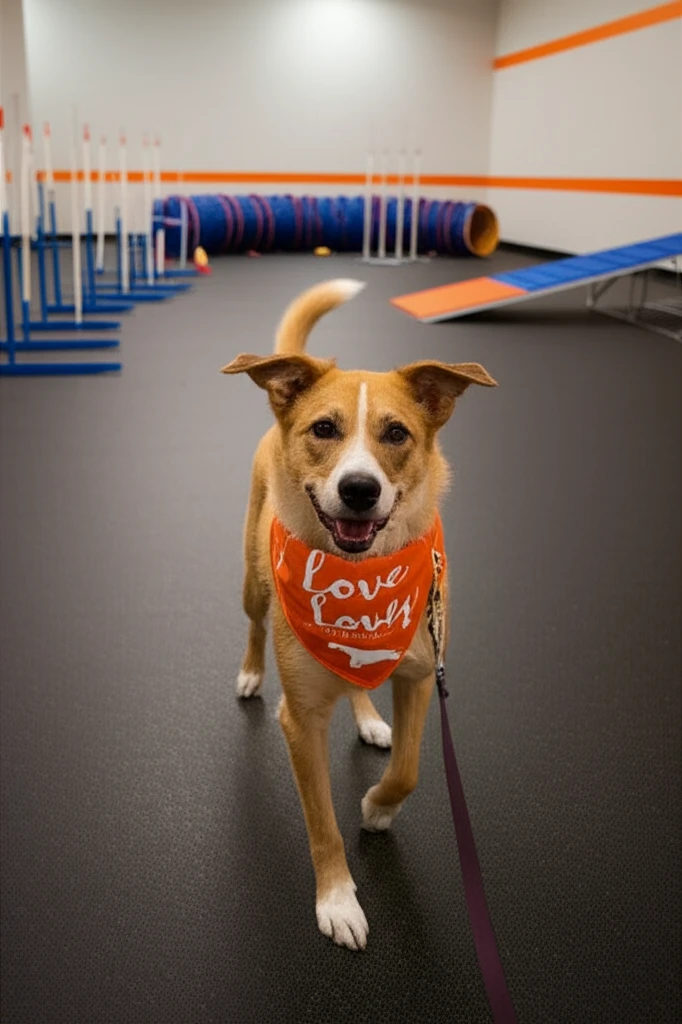
At Zoom Room, we work with rescue dogs regularly. Our group classes are designed so every dog can work at their own level, and our trainers understand that a rescue dog in week three of adoption is in a fundamentally different place than a puppy who has been in the same home since eight weeks. If your dog is not ready for a group class, we can help you determine the right starting point and build toward it.
The adjustment period is real, and it is not always easy. There will be moments where you wonder if you made the right decision, or if you are the right home for this particular dog. Those feelings are normal, and they usually pass as your dog settles and the bond deepens. What you are doing, giving a dog a second chance at a stable life, is meaningful. And the dog who emerges after decompression, the one who finally rolls onto their back for a belly rub, who greets you at the door with a wagging tail, who falls asleep with their head on your foot, is worth every difficult day it took to get there. Find a Zoom Room near you to start building the relationship with professional support.
Frequently Asked Questions
How long does it take for a rescue dog to fully adjust to a new home?
Most rescue dogs show significant adjustment by three months, though some dogs take six months to a year to fully decompress and reveal their settled personality. The 3-3-3 guideline, three days of overwhelm, three weeks of settling in, three months of building trust and routine, is a useful framework but not a rigid rule. Dogs with extensive shelter histories, multiple previous homes, or significant trauma may take longer. The most important factor on your end is consistency: a predictable routine, calm interactions, and patient boundary-setting create the environment where trust can develop at whatever pace your dog needs.
Should I give my rescue dog free run of the house right away?
No, and doing so is one of the most common early mistakes. A dog who has access to the entire house on day one has too many options and not enough guidance. Start with one or two rooms, gated off from the rest. This reduces overwhelm, makes potty training manageable, and prevents the dog from practicing unwanted behaviors like counter-surfing or destructive chewing in rooms you are not supervising. As your dog demonstrates reliability in their initial space, gradually expand access. Most dogs do well earning a new room every week or two. This is not restrictive. It is a structure that helps your dog succeed rather than setting them up to fail.
My rescue dog is afraid of everything. Can they still take group classes?
Yes, though the right class matters. Fearful dogs benefit enormously from structured exposure in a controlled environment, which is exactly what a good group class provides. At Zoom Room, our trainers assess each dog's comfort level and adjust expectations accordingly. A fearful dog in their first class might spend most of the time at a distance from other dogs, eating treats and learning that the environment is safe. That is valuable work, even if it does not look like traditional training. For dogs with severe fear, starting with a Shy Dog Workshop or a lower-stimulus class provides a gentler entry point before moving into standard group sessions.
Ready to Get Started?
Zoom Room welcomes rescue dogs at every stage of their adjustment. Our positive reinforcement classes give you and your adopted dog a structured environment to build trust, develop skills, and start the next chapter together.
Find a Zoom Room