
How to Train a Basset Hound
Your Basset Hound has roughly 220 million scent receptors. You have about 5 million. When your Basset puts their nose to the ground and tunes you out completely, they are not being stubborn. They are processing a world of information you cannot even detect, and right now, that world is more interesting than anything you are offering.
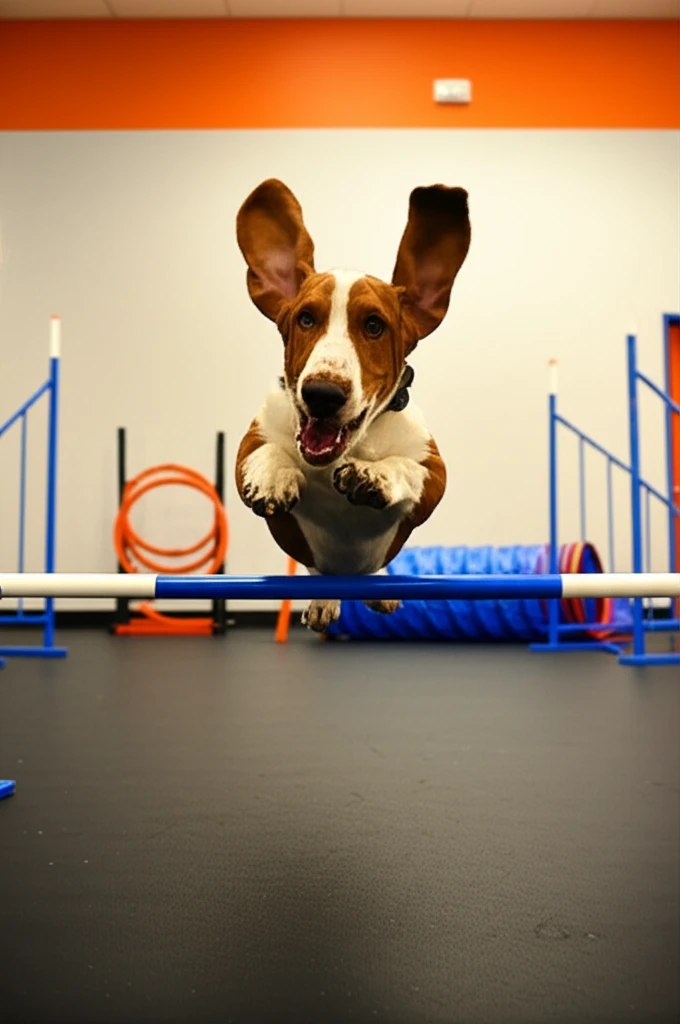
The Nose Runs the Show
Basset Hounds are scenthounds, and that single fact explains nearly every training challenge you will face. They were bred to follow ground scent over long distances at a slow, methodical pace, and to do it independently. The dog found the trail, worked it out, and stayed on it through sheer persistence. That is the genetic package you brought home.
When your Basset locks onto a scent during a walk and becomes deaf to your voice, they are not ignoring you out of spite. Their brain is doing exactly what it was designed to do, and in that moment, the scent trail is generating more reward than anything in your treat pouch. You are not correcting disobedience. You are competing with centuries of selective breeding.
The practical takeaway: you need to become more interesting than the ground. That means training with extremely high-value rewards, not the same dry kibble they get in their bowl. Real meat, cheese, liver treats, whatever makes your Basset's head snap up. Accept that training near heavy scent distractions will always be harder. Start indoors, where scent distractions are manageable, and build skills before taking them into a scent-rich outdoor environment.
Recall: A Project, Not a Lesson
Building reliable recall with a Basset Hound is one of the most honest tests of a dog trainer's patience. Most breeds develop a functional recall within a few weeks of consistent practice. With a Basset, you are building this skill over months, and a Basset on a scent trail may not respond the way a Retriever or a Shepherd would.
This is breed-appropriate expectations. A Basset Hound was never designed to come running back to a handler on cue. They were designed to move away from the handler, following scent. Every successful recall is a genuine achievement worth celebrating.
Start recall training in a boring, indoor environment with no competing scents. Use the highest-value treats you have. Make coming to you a party every single time. Never call your Basset to you for something they find unpleasant, like ending a walk or getting a bath. If you poison the recall cue by associating it with bad outcomes even once, you will set yourself back weeks. Use a long line outdoors to practice recall with some freedom while maintaining a safety connection. Many Basset owners find that a long line becomes a permanent part of their walking toolkit, and that is a perfectly responsible management decision.
Slow-Paced Training That Actually Works
Basset Hounds do not work fast, and your training should match their pace. A high-energy, rapid-fire training session designed for a Border Collie will leave a Basset standing there looking at you with those soulful eyes, unmoved. This breed processes information at their own speed, and rushing them produces resistance, not results.
Keep training sessions short. Ten to fifteen minutes is plenty. Use a calm, encouraging tone. Give your Basset time to think about what you are asking before assuming they did not understand. A Basset who pauses before responding is often working through the problem, not blowing you off. If you repeat the cue impatiently, you teach your dog that the cue does not mean anything the first time, which creates exactly the pattern you are trying to avoid.
Impulse control exercises work well with this breed when they are paced appropriately. Wait at the door before walks. Sit before the food bowl goes down. Leave-it with gradually increasing difficulty. These exercises teach your Basset that patience produces rewards, and a Basset who understands that equation becomes dramatically easier to live with. The trick is consistency over intensity. A Basset will not be impressed by your enthusiasm, but they will remember that the same rule applied yesterday, today, and tomorrow.
Vocal markers and scent work are particularly effective training tools for Bassets. Scent work takes the very drive that makes training challenging and turns it into the training itself. Your Basset gets to use their nose, solve a problem, and earn a reward. It is one of the few activities where a Basset Hound's natural abilities are fully engaged rather than working against you. If you have not tried scent work with your Basset, it will change your perspective on what your dog is capable of.
The Vocal Basset: Managing the Bay
Basset Hounds are vocal dogs. The deep, resonant bay that carries across open fields is a breed feature, not a flaw. Working Bassets bayed to signal their location to hunters who could not keep up on foot. Your Basset is carrying on that tradition every time the mail carrier arrives or a squirrel crosses the yard.
Addressing excessive vocalization in a Basset requires a different strategy than with most breeds. You cannot train the bay out of a Basset. What you can do is teach your dog when baying is appropriate and provide an off switch for when it is not.
The acknowledge-and-redirect approach works well. When your Basset alerts, calmly acknowledge them, then cue a different behavior like going to their bed or doing a nose touch to your hand. Reward the quiet redirect generously. Over time, the pattern becomes: alert, check in with you, get rewarded for settling. This respects the instinct while giving you a management tool. Yelling at your Basset to be quiet is counterproductive, because in their mind, you are just baying along with them.
Boredom and loneliness amplify baying significantly. A Basset left alone with nothing to do will vocalize simply because there is nothing else happening. Mental enrichment through puzzle feeders, frozen Kongs, and scent games can reduce boredom-based vocalization by giving your Basset's brain something to work on besides announcing every bird that lands in the yard.
Building a Partnership With Your Basset
Training a Basset Hound requires recalibrating your expectations about what a trained dog looks like. Your Basset will probably never perform with the precision of a German Shepherd. They will, however, develop a genuine cooperative relationship with you if you are patient, consistent, and willing to meet them where they are. A well-trained Basset checks in with you regularly, comes when called in most situations, walks without dragging you, and settles calmly at home. That is a realistic and worthwhile goal.
The owners who enjoy Basset Hounds most are the ones who appreciate the breed's deliberate, independent nature rather than fighting it. Your Basset is going to stop and sniff on walks. Build sniffing breaks into your routine rather than making every walk a battle. Your Basset is going to take a moment to consider your cue before responding. Wait them out instead of repeating yourself. Your Basset is going to occasionally find a scent trail so compelling that nothing else exists. Manage the environment so that is not dangerous, and let the moment pass.
At Zoom Room, our training programs work with every breed's natural tendencies, not against them. A structured class environment with managed distractions is ideal for Basset Hounds because it lets you practice skills in a setting where you can actually compete with the environment for your dog's attention. Find a Zoom Room near you and start building the kind of partnership your Basset will actually show up for.
Frequently Asked Questions
Are Basset Hounds hard to train?
Basset Hounds are not hard to train, but they require a different approach than most breeds. Their independent nature and powerful scent drive mean they process cues on their own timeline and are easily distracted by smells. Short, slow-paced sessions with high-value rewards produce the best results. The key shift is understanding that your Basset is not being defiant when they seem unresponsive. They are wired to follow scent, and you are asking them to override a very strong instinct. Patience, consistency, and realistic expectations make Basset training both manageable and rewarding.
Can Basset Hounds be off-leash?
Off-leash freedom in uncontrolled environments is not realistic for most Basset Hounds. Their scent drive is powerful enough to override recall training in high-distraction situations, and a Basset on a scent trail can travel surprisingly far surprisingly fast despite their short legs. A long line gives your Basset more freedom during walks while keeping them safe. In securely fenced areas where you have practiced recall extensively, some Bassets can handle off-leash time. But always have a backup plan, because one compelling scent trail can undo months of reliable behavior.
How do I stop my Basset Hound from howling?
You will not eliminate howling entirely, because baying is a hardwired breed trait in Basset Hounds. What you can do is reduce it to manageable levels. Use an acknowledge-and-redirect approach: when your Basset alerts, calmly say thank you, then cue an alternative behavior like going to a mat. Reward the quiet behavior heavily. Address boredom-related howling with mental enrichment like puzzle feeders, scent games, and frozen Kongs. If your Basset howls primarily when left alone, that may indicate separation distress, which benefits from a structured behavior modification plan.
Ready to Get Started?
Zoom Room's indoor training environment minimizes scent distractions so your Basset Hound can actually focus on learning. Find a location near you and discover what your Basset can do when the conditions are right.
Find a Zoom Room