
How to Train a Bernedoodle
The Bernedoodle is a cross between a <a href="/tips/breeds/bernese-mountain-dog/">Bernese Mountain Dog</a> and a Poodle, and what you get is often bigger, more energetic, and more stubborn than the marketing suggested. The Berner's sweetness combined with the Poodle's intelligence creates a dog who is both deeply endearing and fully capable of outsmarting you if you do not stay a step ahead.
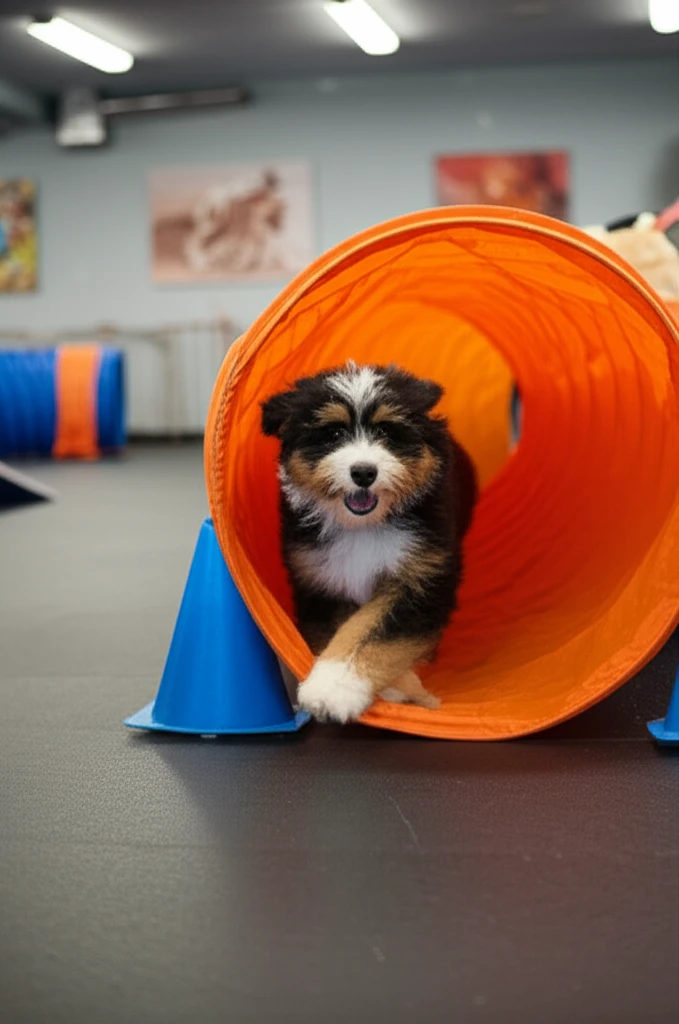
The Energy Level That Surprises Everyone
Bernese Mountain Dogs are relatively calm, low-energy dogs. Poodles are athletic, high-energy dogs who were bred to work all day. When you cross these two breeds, the Poodle's energy level frequently dominates. Many Bernedoodle owners expect a mellow, cuddly teddy bear and instead get a 70-to-90-pound athlete who needs serious daily engagement. That gap between expectation and reality is where most Bernedoodle training struggles begin.
A Bernedoodle who does not receive enough physical and mental stimulation will create their own outlets, and those outlets rarely align with your household rules. Destructive chewing, counter surfing, relentless demand behavior, and increasingly creative mischief are all signs of a smart, under-stimulated dog doing what under-stimulated dogs do. These are not behavior problems to be punished. They are signals that your Bernedoodle's needs are not being met.
Plan for a dog who needs at least an hour to ninety minutes of daily activity, combining physical exercise with mental work. A brisk walk plus a training session, a game of fetch plus a puzzle toy, or a group training class that engages body and brain simultaneously. A tired Bernedoodle body with a bored Bernedoodle brain will still cause trouble. Both channels need to be addressed every day.
The Stubborn Streak: Berner Sweet, Poodle Smart
Bernese Mountain Dogs are gentle, willing dogs who genuinely want to please. Poodles are brilliant dogs who sometimes have their own opinions about the best course of action. When these traits combine in a Bernedoodle, you can get a dog who loves you deeply but also believes they know better. This is not defiance in the traditional sense. It is a smart dog making a rational calculation about whether your plan or their plan is more rewarding.
The solution is making cooperation consistently more valuable than independence. Use high-value rewards — real meat, cheese, whatever your Bernedoodle finds genuinely exciting — and make every training interaction rewarding enough that checking in with you is always worth their time. A Bernedoodle who learns that your ideas lead to excellent outcomes will choose cooperation. A Bernedoodle who finds training boring or unrewarding will choose their own agenda.
Impulse control exercises are particularly important for Bernedoodles because the combination of size, intelligence, and independent thinking means a dog who can physically get what they want and is smart enough to figure out how. Teach your Bernedoodle that calm, patient behavior is the gateway to everything good: meals, walks, greetings, play. Build a habit of checking in with you before acting, and maintain that habit through adolescence and into adulthood.
Socialization for a Cross With Variable Temperament
Bernese Mountain Dogs tend toward caution with strangers. Poodles can be reserved with unfamiliar people and situations. When both parent breeds carry this tendency, a Bernedoodle puppy who does not receive thorough early socialization has a real risk of becoming a shy, anxious adult — and a shy, anxious dog who weighs 80 pounds presents significant management challenges.
Start socialization early and make it a daily priority during the first four months. Expose your Bernedoodle puppy to a wide range of people: different ages, appearances, movement styles, and clothing. Introduce different environments, surfaces, sounds, and experiences. Let your puppy approach new things at their own pace and reward any calm, curious behavior generously. Never force an interaction that makes your puppy uncomfortable. A single overwhelming experience can create a lasting fear response in a naturally cautious dog.
Some Bernedoodles inherit the Poodle's social confidence instead of the Berner's reserve, and these dogs may be naturally outgoing and enthusiastic about meeting new people. Even these dogs benefit from structured socialization because they need to learn appropriate greeting behavior. An 80-pound Bernedoodle who loves everyone but expresses it by jumping and body-slamming is a liability in social settings. Structured group classes teach socially confident Bernedoodles how to greet calmly and manage their enthusiasm.
Leash Manners Before the Size Gets Away From You
Standard Bernedoodles are large dogs, often weighing between 70 and 90 pounds at maturity. A dog that size who pulls on the leash is not just annoying — they are a safety concern. Bernedoodles tend to pull because the Poodle side contributes energy and forward drive, and the Berner side contributes enough mass to make that pulling genuinely hard to resist. Start loose leash walking training from the first walk and maintain it consistently through adolescence.
Use a front-clip harness to reduce pulling mechanically. Reward your Bernedoodle with treats and forward movement when the leash is loose. Stop walking the instant the leash goes tight. Wait for your dog to look back at you or for the tension to release, then reward and continue. The training is simple in concept but requires consistency that many owners underestimate. If pulling works sometimes, your Bernedoodle will keep trying it. Every family member needs to follow the same protocol.
The first six months are your best opportunity. A 30-pound Bernedoodle puppy who is learning leash manners is a manageable training project. A 75-pound adolescent who has spent six months practicing pulling is a much harder problem to solve. Front-load the work while the physics are still in your favor, and you will have a dog who is a pleasure to walk for the next decade.
Engaging the Bernedoodle Brain
The Poodle contribution to the Bernedoodle cross is significant cognitive horsepower. Your Bernedoodle needs their brain worked as much as their body, and physical exercise alone will not produce a calm, well-adjusted dog. A Bernedoodle who runs for an hour but does not get mental stimulation is just a fitter dog with the same unmet needs.
Build mental engagement into the daily routine. Training sessions that teach new skills, puzzle toys that require manipulation to access food, nose work games, and structured activities like agility or rally obedience all give your Bernedoodle's intelligence a productive outlet. The combination of the Berner's desire for connection and the Poodle's need for challenge makes activities that involve handler teamwork especially effective. Your Bernedoodle does not just want to work. They want to work with you.
At Zoom Room, our training programs provide the physical activity, mental stimulation, and socialization that Bernedoodles need. Our trainers work with your dog's individual temperament, whether they lean more toward the Berner's gentleness or the Poodle's sharp independence. Group classes give your Bernedoodle the regular social exposure that builds confidence and good manners. Find a Zoom Room near you and give your Bernedoodle the engagement and structure their brain has been asking for.
Frequently Asked Questions
Are Bernedoodles easy to train?
Bernedoodles are intelligent and capable learners, but they can be more independent-minded than many owners expect. The Poodle side contributes sharp problem-solving ability, and the Berner side can contribute a gentle stubbornness that manifests as slow compliance or selective hearing. Use high-value rewards, keep sessions engaging and varied, and make cooperation consistently more rewarding than going solo. Bernedoodles respond well to positive reinforcement and tend to shut down under harsh corrections. The key is patience, consistency, and making training feel like a collaborative game rather than a set of demands.
How much exercise does a Bernedoodle need?
Most standard Bernedoodles need at least one to one and a half hours of daily activity, combining physical exercise with mental stimulation. Despite the Bernese Mountain Dog parent's calm reputation, the Poodle contribution often results in a dog with significantly more energy than expected. Physical exercise like walks, fetch, or swimming should be paired with mental work: training sessions, puzzle toys, or structured activities like agility. A Bernedoodle whose mental needs are met alongside their physical needs will be dramatically calmer at home. Miniature Bernedoodles typically need slightly less but still require consistent daily engagement.
Do Bernedoodles have separation anxiety?
Bernedoodles can be prone to separation anxiety because both parent breeds tend to bond deeply with their families. Bernese Mountain Dogs are especially attached to their people, and that attachment often passes to the cross. Prevention starts early: practice brief separations from the first day, keep departures and arrivals low-key, and gradually increase the duration your dog spends alone. Provide enrichment toys before departures so your dog associates alone time with something positive. If your Bernedoodle is already showing signs of distress when left alone, consult a professional trainer for a structured desensitization plan.
Ready to Get Started?
Zoom Room's training programs meet your Bernedoodle where they are, whether they lean more Berner or more Poodle. Find a location near you and start building the skills, structure, and socialization your Bernedoodle needs.
Find a Zoom Room