
How to Train a Cane Corso
A Cane Corso is not a dog you can wing it with. This is a powerful guardian breed with deep suspicion of strangers hardwired into their genetics, and without serious, sustained socialization, that suspicion will define every walk, every vet visit, and every encounter with another dog.
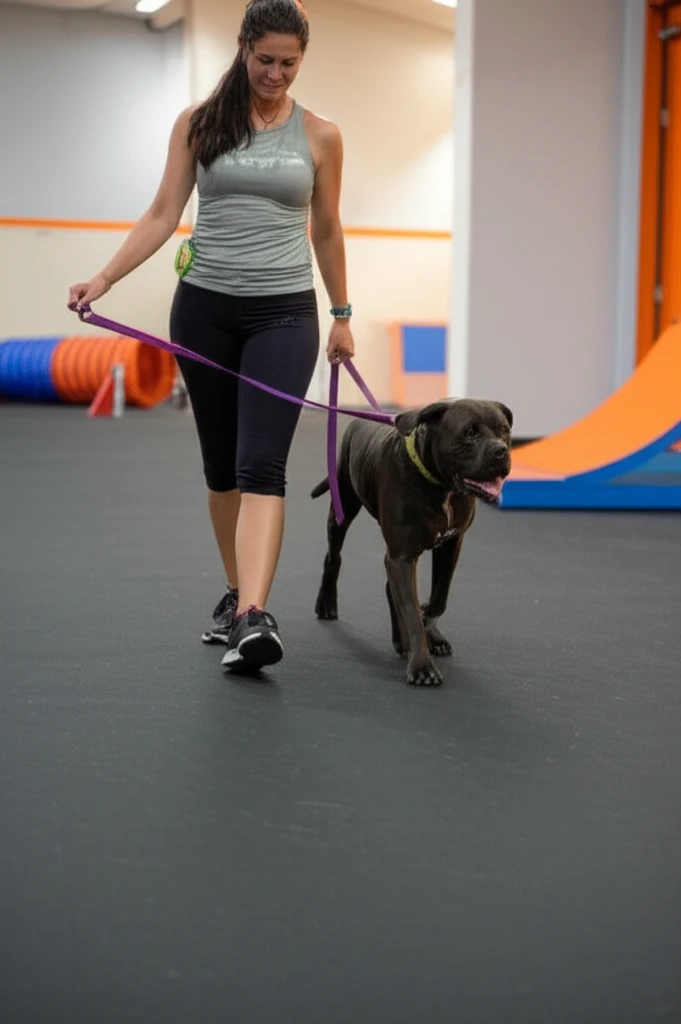
Socialization Is the Entire Game
Cane Corsos were developed as Italian estate guardians and catch dogs. Their job, for centuries, was to assess threats and respond with physical authority. That means your Cane Corso puppy is already inclined to view unfamiliar people, dogs, and environments with wariness. Without deliberate intervention, that wariness doesn't stay neutral. It hardens into reactivity, and a reactive dog who weighs over 100 pounds creates serious problems.
Early, extensive socialization is the single most important investment you will make in your Cane Corso's life. This means exposing your puppy to a wide variety of people: different ages, ethnicities, body types, hats, uniforms, wheelchairs, strollers. Different dogs: big, small, calm, energetic. Different environments: sidewalks, parking lots, pet-friendly stores, outdoor cafes. The goal is to build a dog who encounters novelty with confidence rather than suspicion.
Here's the part most people miss: socialization is not a puppy phase you complete and check off. With a Cane Corso, it is a lifelong practice. The critical socialization window closes around 16 weeks, but if you stop there, the skills erode. Your adult Cane Corso needs ongoing, positive exposure to new people and dogs for the rest of their life. Group training classes are one of the most effective ways to maintain socialization because they provide regular, structured contact with unfamiliar dogs and people in a controlled setting.
Impulse Control Before Everything Else
A Cane Corso who hasn't learned impulse control is a liability, not because they're aggressive by nature, but because they're strong enough that any impulsive reaction carries real consequences. A 120-pound dog who lunges toward another dog on leash can take you off your feet. A Cane Corso who bolts through an open door is a neighborhood emergency. These are physics problems as much as training problems.
Impulse control training should start early and remain a constant. Teach your Cane Corso to wait at every doorway. Practice settle on a mat while distractions happen around them. Build duration on stay cues with gradually increasing difficulty. Reward moments when your Corso notices something exciting and chooses to check in with you instead of reacting.
The key principle: your Cane Corso needs to learn that self-regulation is always more rewarding than impulsive action. This is not about suppressing their nature. It's about building a dog who has the skills to pause, think, and choose well, even when aroused. That pause is the difference between a manageable dog and a dog who runs every situation.
Leash Manners Are a Safety Requirement
With a Cane Corso, leash reactivity isn't just annoying. It's dangerous. A reactive Corso on leash can injure their handler, frighten other people and dogs, and create situations that escalate quickly. And here's the frustrating truth: leash reactivity in guardian breeds is often caused by well-meaning owners who didn't socialize enough, or who inadvertently communicated tension through the leash.
If your Cane Corso is already reactive on leash, understand what's happening. Your dog isn't being dominant or trying to protect you. They're likely experiencing a combination of frustration and anxiety in a situation where they feel trapped by the leash. The fix is not to correct the reaction but to change the emotional response to the trigger through systematic desensitization and counterconditioning.
Start with distance. Find the point where your Cane Corso can see another dog or person without reacting, and reward calm behavior heavily at that distance. Gradually decrease distance over many sessions. This is slow work. There are no shortcuts with a guardian breed, and anyone who tells you otherwise is selling something that will make the problem worse. Working with a professional trainer in a controlled environment, where you can manage distance and exposure, is far more productive than trying to do this on public sidewalks where triggers appear unpredictably.
Building Confidence, Not Toughness
Here's something that surprises many Cane Corso owners: underneath that imposing exterior, many Corsos are more sensitive than they look. A Cane Corso who acts tough is often a Cane Corso who is uncertain. True confidence in this breed looks like a dog who can encounter a new situation and remain relaxed, not a dog who postures and reacts.
Building genuine confidence requires positive experiences with novelty, not flooding. Never force your Cane Corso into an interaction they're uncomfortable with. If they're hanging back from a new person, let them observe from a distance and approach on their own terms. Pushing a wary Cane Corso into a greeting teaches them that their discomfort will be ignored, which destroys trust and deepens wariness.
Training methods matter enormously with this breed. Cane Corsos trained with intimidation or physical corrections may comply in the moment, but they're learning that pressure is how interactions work, and a dog with that worldview and that physical power is a serious problem. Positive reinforcement builds a Cane Corso who works with you because the partnership is rewarding, not because they're avoiding consequences. That cooperation is genuine, and it holds up when it counts.
If your Cane Corso is showing signs of aggression toward other dogs, don't wait to address it. This behavior tends to intensify without intervention, and the window for effective behavior modification narrows as patterns become established. Early professional help makes an enormous difference.
This Breed Needs Structure, Not Dominance
The internet is full of advice about establishing dominance over your Cane Corso. Ignore it. The dominance framework has been debunked by the scientific community for decades, and it is particularly dangerous with guardian breeds because it creates an adversarial relationship with a very powerful animal.
What your Cane Corso actually needs is structure. Clear rules, consistently enforced. Predictable routines. Training that communicates what you want rather than punishing what you don't want. A Cane Corso who understands the household rules and has had those rules reinforced with consistency and fairness is a settled, reliable dog. A Cane Corso who lives in an unpredictable environment where rules change based on mood becomes anxious, and anxiety in a guardian breed looks a lot like the behavior people try to solve with more dominance.
Structured training programs give both you and your Cane Corso a clear framework. You learn how to communicate expectations, and your Corso learns how to succeed within those expectations. Indoor training facilities are particularly valuable for this breed because they provide a controlled environment where your Corso can practice social skills without the unpredictable triggers of outdoor settings. Find a Zoom Room near you to get started with trainers who understand the specific demands of guardian breeds.
Frequently Asked Questions
Are Cane Corsos good family dogs?
Cane Corsos can be excellent family dogs when raised with proper socialization and training, but they require a significant commitment that goes beyond what most breeds demand. They bond deeply with their family and are typically gentle with children they've grown up with. The challenge is managing their guardian instincts around unfamiliar people, including your children's friends. Every new person entering your home needs a proper introduction. If you're willing to invest in ongoing socialization, consistent training, and structured management, a Cane Corso can be a loyal, stable family companion. If that level of commitment feels excessive, this is not the right breed for your household.
How much socialization does a Cane Corso need?
More than you think, and for longer than you expect. During puppyhood, aim for positive exposure to new people, dogs, and environments multiple times per week. After the critical socialization window closes around 16 weeks, ongoing socialization must continue through adolescence and into adulthood. Group training classes on a regular schedule are one of the best tools for this because they provide structured, repeated exposure to unfamiliar dogs and people. Plan on socialization being a permanent part of your routine, not a puppy phase you finish.
What training method works best for Cane Corsos?
Positive reinforcement is the only approach that produces reliably good outcomes with Cane Corsos. This breed is sensitive enough that harsh corrections damage the handler-dog relationship, and a Cane Corso who doesn't trust their handler becomes either shut down or reactive. Positive reinforcement paired with clear structure gives your Cane Corso the consistency they need and the cooperative relationship that keeps a powerful guardian breed stable. Avoid any trainer who recommends dominance-based methods, prong collars, or alpha rolls with this breed. Those approaches create exactly the adversarial dynamic that makes guardian breeds difficult to live with.
Ready to Get Started?
Zoom Room's structured, indoor training environment gives your Cane Corso the controlled socialization and professional guidance this breed needs to thrive. Find a location near you.
Find a Zoom Room