
How to Train a Chihuahua
The biggest problem with Chihuahuas isn't the breed. It's that most Chihuahuas never get trained. Owners carry them past every challenge, skip socialization, excuse the growling as cute, and then wonder why they have a reactive, anxious dog who snaps at everything that moves.
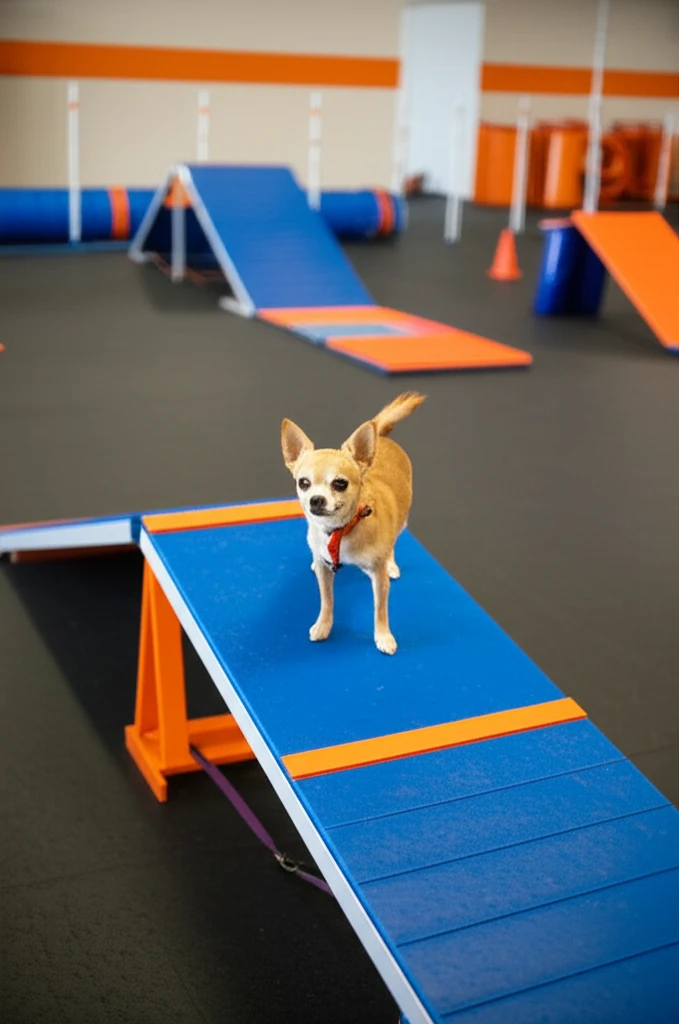
The Small-Dog Pass Is Ruining Your Chihuahua
Here's the pattern: a Chihuahua growls at a stranger, and the owner laughs. A Chihuahua lunges at another dog on leash, and the owner scoops them up. A Chihuahua refuses to walk on the sidewalk, and the owner carries them home in a purse. Every single one of these moments is a training opportunity that got skipped because the dog is small enough to physically manage without addressing the behavior.
Now imagine a German Shepherd doing any of those things. That dog would be in a training class by Tuesday. But because a Chihuahua weighs six pounds, the behavior gets a pass. And every pass makes it worse. When you pick up a growling Chihuahua, you've taught them that growling makes scary things go away. When you carry them past a trigger, you've confirmed the trigger is worth avoiding. You're not protecting your dog. You're teaching them the world is dangerous and that aggression works.
Chihuahuas are intelligent, loyal, and fully capable of learning everything a larger dog can learn. The breed's reputation for being yappy, snappy, and difficult has almost nothing to do with genetics and almost everything to do with the training gap that small-dog owners create.
Fear-Based Reactivity: The Real Issue
The number-one behavioral challenge in Chihuahuas is fear-based reactivity. Your Chihuahua isn't aggressive. They're terrified. And when a six-pound animal is terrified in a world built for creatures ten times their size, the survival strategy is to make themselves as loud and scary as possible before the threat gets any closer.
That's what you're seeing when your Chihuahua barks, lunges, snaps, or trembles at other dogs, strangers, or new environments. It's a defensive response from a dog who hasn't learned that those things are safe. The root cause is almost always insufficient socialization during the critical developmental window, compounded by an owner who managed situations through avoidance rather than exposure.
If your Chihuahua is already reactive, the path forward is structured desensitization. That means controlled exposure to triggers at a distance where your dog can notice the trigger without panicking, paired with high-value rewards for calm behavior. Over time, you gradually decrease the distance as your dog builds confidence. This is the same protocol used for fearful dogs of any size, and it works. But it requires patience, consistency, and a willingness to stop treating your Chihuahua like a fragile object and start treating them like a dog who can learn.
Leash reactivity in Chihuahuas often looks different than in larger breeds because the dog is so low to the ground that triggers tower over them. Working at greater distances than you'd use for a bigger dog is important. Your Chihuahua's threshold — the distance at which they notice a trigger but can still take a treat and respond to cues — may be farther than you expect.
Socialization: Start Now, Keep Going
If you have a Chihuahua puppy, socialization is the single most valuable investment you can make. More important than sit. More important than stay. A well-socialized Chihuahua who doesn't know a single obedience cue will have fewer behavioral problems than a perfectly obedient Chihuahua who was never properly socialized.
Socialization means positive exposure to the full range of things your dog will encounter in life: people of different ages and appearances, dogs of different breeds and energy levels, surfaces like grates and gravel, sounds like traffic and construction. The goal is a dog who encounters something unfamiliar and thinks "that's interesting" instead of "that's dangerous."
For Chihuahuas specifically, let them experience these things on their own four feet. Resist the urge to carry your puppy through new situations. Walking through a novel environment builds genuine confidence in a way that being carried through it never will. When your Chihuahua shows hesitation, give them space to observe from a distance and reward any voluntary movement toward the new thing. Never force an interaction. Forced exposure creates exactly the fear you're trying to prevent.
A structured socialization program in an indoor facility is ideal for Chihuahuas because the environment is controlled. There are no off-leash dogs rushing your puppy, no overwhelming crowds, and the trainer can manage the intensity of each interaction. Your Chihuahua gets to practice being brave in a setting that's actually safe.
Barking: Working With the Instinct
Chihuahuas are vocal. That's partially breed heritage — they're alert dogs who notice everything and announce it — and partially a learned behavior that's been reinforced by years of owners responding to the barking with attention, picking up, or yelling (which your Chihuahua interprets as you joining in).
Effective barking management starts with understanding what's driving the bark. Alert barking at sounds and movement is the most common type in Chihuahuas. For this, teach an acknowledge-and-redirect protocol: when your dog barks at a trigger, calmly say "thank you," then cue a specific behavior like coming to you or going to their bed. Reward the quiet behavior that follows. You're not punishing the bark — you're giving it a resolution that ends in something better than continued barking.
Fear-based barking — the frantic, high-pitched barking directed at strangers or other dogs — requires a different approach. This is your Chihuahua saying "stay away," and no amount of redirection will fix it until the underlying fear is addressed. Build your dog's confidence around specific triggers through gradual, positive exposure. As the fear decreases, the barking will too.
Demand barking — barking at you to make things happen — is the easiest to address and the hardest to follow through on. The solution is simple: demand barking never works. Not sometimes, not when it's convenient. If barking at you produces any result your dog wanted, you've guaranteed more demand barking tomorrow.
Training Your Chihuahua Like a Real Dog
The best thing you can do for your Chihuahua is hold them to the same standard you'd hold any other breed. Real training sessions, real expectations. Sit, down, stay, come, loose leash walking — your Chihuahua can learn all of it. They can also learn agility on scaled equipment, trick chains, and nose work.
Keep sessions short and rewarding. Five to ten minutes of focused work is plenty. Use treats your Chihuahua genuinely values — this breed can be picky, so find what they'll work for. Train in multiple locations so your dog generalizes beyond the kitchen. And train on the ground. If your Chihuahua learns everything while sitting on your lap, they'll only perform while sitting on your lap.
At Zoom Room, our training programs treat every dog as a dog, regardless of size. Chihuahuas train alongside all breeds in a supervised, indoor environment where they can build skills and confidence at their own pace. Find a Zoom Room near you and give your Chihuahua the training opportunity they've been missing.
Frequently Asked Questions
Are Chihuahuas actually trainable?
Absolutely. Chihuahuas are intelligent and quick learners who respond well to positive reinforcement. The breed's reputation for being untrainable is a result of owners skipping training because the dog is small enough to physically manage without it. When Chihuahuas are given the same training opportunities as larger breeds, they perform well in obedience, agility, and trick training. The key is using high-value treats, keeping sessions short, and training on the ground rather than on your lap. Most Chihuahua behavior problems are training problems, not breed problems.
Why is my Chihuahua so aggressive toward other dogs and strangers?
What looks like aggression in Chihuahuas is almost always fear-based reactivity. Your dog isn't trying to dominate anyone — they're scared and using noise and teeth to create distance from a perceived threat. This typically develops because the dog wasn't properly socialized during puppyhood, or because the owner managed uncomfortable situations by picking the dog up or carrying them away instead of helping them learn to cope. The fix is gradual, positive exposure to triggers at a distance where your dog can stay calm, paired with high-value rewards. Working with a professional trainer accelerates this process significantly.
How do I socialize a Chihuahua who is already fearful or reactive?
Start with distance. Find the point where your Chihuahua can notice a trigger — another dog, a stranger, a new environment — without panicking. That's your starting line. Reward calm behavior at that distance with treats your dog loves. Over multiple sessions, gradually decrease the distance as your dog's confidence builds. Never force your Chihuahua into an interaction they're not ready for. Structured group classes in a controlled indoor environment are especially helpful because the trainer manages the intensity and your dog gets regular, predictable practice being around other dogs and people.
Ready to Get Started?
Zoom Room's indoor training facility gives Chihuahuas the structured, positive training experience they need to build real confidence. Find a location near you and start treating your Chihuahua like the capable dog they are.
Find a Zoom Room