
How to Train a Cockapoo
Cockapoos are a cross between a <a href="/tips/breeds/cocker-spaniel/">Cocker Spaniel</a> and a Poodle, and the temperament you get depends on which parent's traits show up strongest. That might mean the Cocker's deep sensitivity and attachment, the Poodle's sharp intelligence and independence, or a blend that keeps you guessing. What nearly every Cockapoo shares is a need for early socialization and a vulnerability to anxiety that you should take seriously from day one.
Separation Anxiety: The Risk You Need to Plan For
Cocker Spaniels are one of the breeds most prone to separation anxiety, and that vulnerability frequently passes to Cockapoo crosses. A Cockapoo who bonds deeply with their family — and most of them do — can develop genuine distress when left alone. This is not a dog who is bored or misbehaving. This is a dog experiencing real panic: pacing, drooling, destructive behavior, howling, and in severe cases, self-injury. If you do not address this proactively, it will shape your life around your dog's inability to be alone.
Prevention starts the day your Cockapoo comes home. Practice brief separations from the very beginning, even when you do not need to leave. Step out of the room for thirty seconds, return calmly, and reward settled behavior. Gradually extend the duration over days and weeks. The goal is to teach your Cockapoo that your departures are unremarkable and your returns are guaranteed. Make alone time boring and predictable, not dramatic.
Avoid the common mistake of making departures and arrivals emotionally charged. Long, affectionate goodbyes and excited, enthusiastic greetings both teach your Cockapoo that your comings and goings are significant events worthy of emotional investment. Instead, leave quietly and return calmly. A stuffed Kong or a puzzle toy given just before you leave creates a positive association with your departure and gives your dog something to focus on during the first few minutes, which is typically when anxiety peaks.
If your Cockapoo is already showing signs of separation anxiety — barking or howling when you leave, destructive behavior targeted at exits, house soiling only when alone — work with a professional trainer on a structured desensitization program. Separation anxiety responds well to systematic treatment, but it requires a plan that increases alone time in increments small enough that your dog stays under their anxiety threshold. Rushing the process makes it worse.
Sensitivity: The Trait That Shapes Everything
Both parent breeds contribute sensitivity to the Cockapoo cross. Cocker Spaniels are among the most emotionally attuned breeds, and Poodles are highly perceptive and responsive to their handler's emotional state. Your Cockapoo will notice tension on the leash, hear the frustration in your voice, and read your body language with remarkable accuracy. That sensitivity is what makes them such responsive, rewarding training partners when things are going well. It is also what makes them fragile when the approach is wrong.
A Cockapoo who experiences harsh corrections, raised voices, or tense training sessions will shut down. They may refuse to engage, avoid eye contact, or develop fear-based behaviors that are much harder to fix than whatever you were originally trying to address. Positive reinforcement is not just the best approach for this cross. It is the only approach that will not cause collateral damage.
Keep your training voice warm and your expectations realistic. If a session is not going well, ask for something simple that your Cockapoo already knows, reward it generously, and end there. Short, successful sessions build confidence. Long, frustrating sessions erode it. Your Cockapoo wants to get it right. Give them the emotional environment to do so.
Socialization: The Antidote to Anxiety
Thorough early socialization is one of the most effective tools you have for preventing anxiety in Cockapoos. A dog who has been positively exposed to a wide range of people, environments, sounds, surfaces, and social situations during puppyhood has a broader comfort zone and a more resilient nervous system. They have learned, through repeated experience, that the world is generally safe and interesting rather than threatening.
Socialization for a sensitive cross like the Cockapoo must be carefully managed. The quality of each experience matters more than the quantity. One overwhelming encounter — a charging off-leash dog, a loud sudden noise, a forceful greeting from a stranger — can set a sensitive Cockapoo's social development back significantly. Introduce new experiences at your puppy's pace. Let them observe from a distance before approaching. Reward calm, curious behavior. If your puppy is uncomfortable, increase the distance and try again from a level where they can succeed.
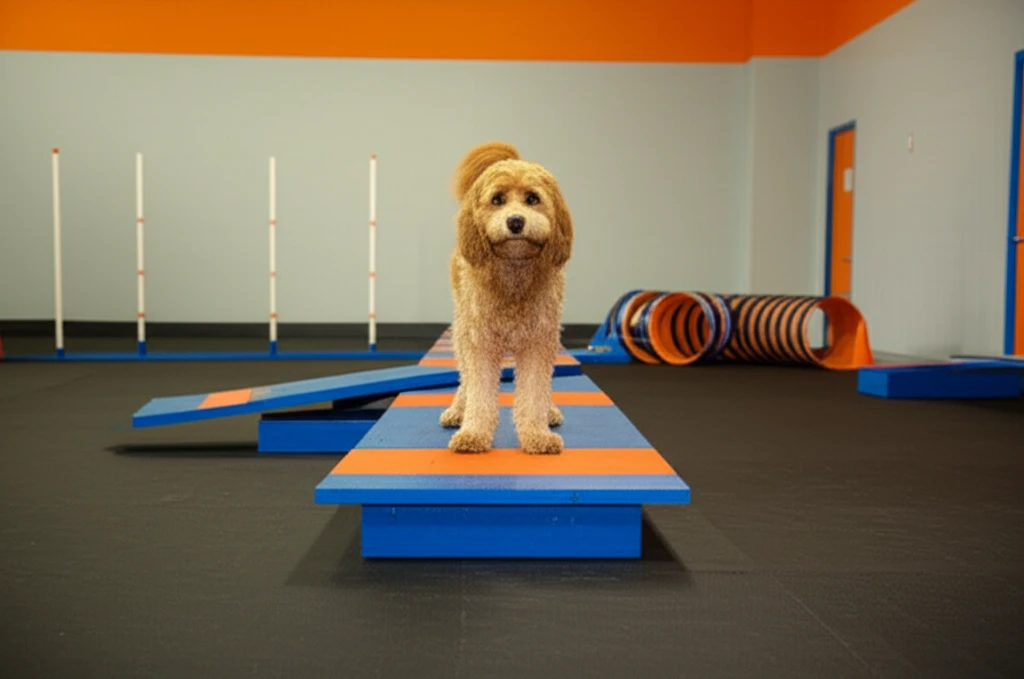
Group training classes in a controlled, indoor environment are ideal for Cockapoo socialization. The setting is predictable, the interactions are managed, and your dog can build confidence through repeated positive experiences at a pace that suits their temperament. Continue socialization well beyond puppyhood. A Cockapoo who stops getting regular social exposure can regress, especially if they carry the Cocker Spaniel's tendency toward social caution.
Training the Poodle Brain Inside the Cockapoo
Regardless of which parent's emotional temperament dominates, most Cockapoos inherit enough Poodle intelligence to be quick, capable learners. They pick up new cues rapidly, remember them well, and are generally motivated by treats, praise, or play. This makes training sessions productive and rewarding when the emotional conditions are right.
That intelligence also means your Cockapoo needs ongoing mental engagement. A dog this smart with nothing to do will develop their own entertainment, and that usually means behaviors you did not intend: demand barking for attention, shadowing you obsessively around the house, or becoming anxious when the routine changes. Regular training sessions, puzzle toys, and enrichment activities give your Cockapoo's brain the stimulation it needs to stay settled and content.
Trick training is an excellent activity for Cockapoos because it provides mental challenge in a low-pressure, playful context. The novelty of learning new behaviors keeps them engaged, the success-oriented nature of trick training builds confidence, and the interactive nature of the activity strengthens your bond. Start with simple tricks and build progressively. A Cockapoo who has a repertoire of twenty tricks has had twenty rounds of confidence-building, problem-solving practice, and that cumulative effect shows in their overall temperament and trainability.
Building a Confident, Secure Cockapoo
The overarching goal with a Cockapoo is building a dog who feels secure: secure when you are home, secure when you are not, secure in new environments, and secure around unfamiliar people and dogs. That security does not come from constant reassurance or from never leaving your dog's side. It comes from consistent, positive experiences that teach your Cockapoo they can handle the world.
Structure provides security. Consistent daily routines, clear expectations, and predictable responses to behavior all help a sensitive dog feel safe. Your Cockapoo benefits from knowing what happens next: the same morning routine, the same pre-departure protocol, the same rules about furniture and greetings. That predictability is not boring to a dog who tends toward anxiety. It is comforting.
At Zoom Room, our training programs provide the structure, socialization, and positive reinforcement that Cockapoos thrive on. Our indoor facilities offer a calm, predictable environment where sensitive dogs can build confidence at their own pace. Find a Zoom Room near you and give your Cockapoo the foundation of security and skill that will serve them for life.
Frequently Asked Questions
Are Cockapoos easy to train?
Cockapoos are intelligent and generally eager to please, which makes them very trainable with the right approach. The key consideration is their sensitivity. Both parent breeds are emotionally attuned, and Cockapoos respond poorly to raised voices, harsh corrections, or tense training sessions. Keep things positive, warm, and reward-based. Short, successful sessions build confidence and produce better results than long, pressured ones. Most Cockapoos learn new cues quickly and retain them well. Their biggest training challenges tend to be emotional rather than cognitive: managing separation anxiety and building social confidence.
How do I prevent separation anxiety in my Cockapoo?
Start practicing brief separations from the day your Cockapoo comes home. Step out of the room for short periods, return calmly, and reward settled behavior. Gradually increase the duration over days and weeks. Keep departures and arrivals low-key rather than emotionally charged. Provide a stuffed Kong or puzzle toy before you leave to create a positive association with alone time. Never punish your dog for anxiety-related behavior. If your Cockapoo is already showing signs of distress when left alone, work with a trainer on a structured desensitization plan that increases alone time in increments small enough to keep your dog below their anxiety threshold.
How much exercise does a Cockapoo need?
Most adult Cockapoos need about 45 minutes to an hour of daily activity, combining physical exercise with mental stimulation. A moderate walk plus a training session or play session is typically sufficient. Cockapoos are adaptable in their exercise needs and do not require the intense physical output of larger sporting or herding breeds. However, they do need consistent mental enrichment through puzzle toys, training sessions, or nose work to stay content. An under-stimulated Cockapoo is more likely to develop anxiety-related behaviors or demand excessive attention.
Ready to Get Started?
Zoom Room's positive reinforcement classes are ideal for sensitive crosses like the Cockapoo. Find a location near you and start building your dog's confidence, social skills, and independence in a calm, supportive environment.
Find a Zoom Room