
How to Train a Dalmatian
Dalmatians are among the most misunderstood breeds in the dog world. People see the spots, remember the movie, and bring one home expecting an easygoing family pet. What they get is a high-energy, strong-willed athlete who needs more structure, more exercise, and more training than most households are prepared to provide.
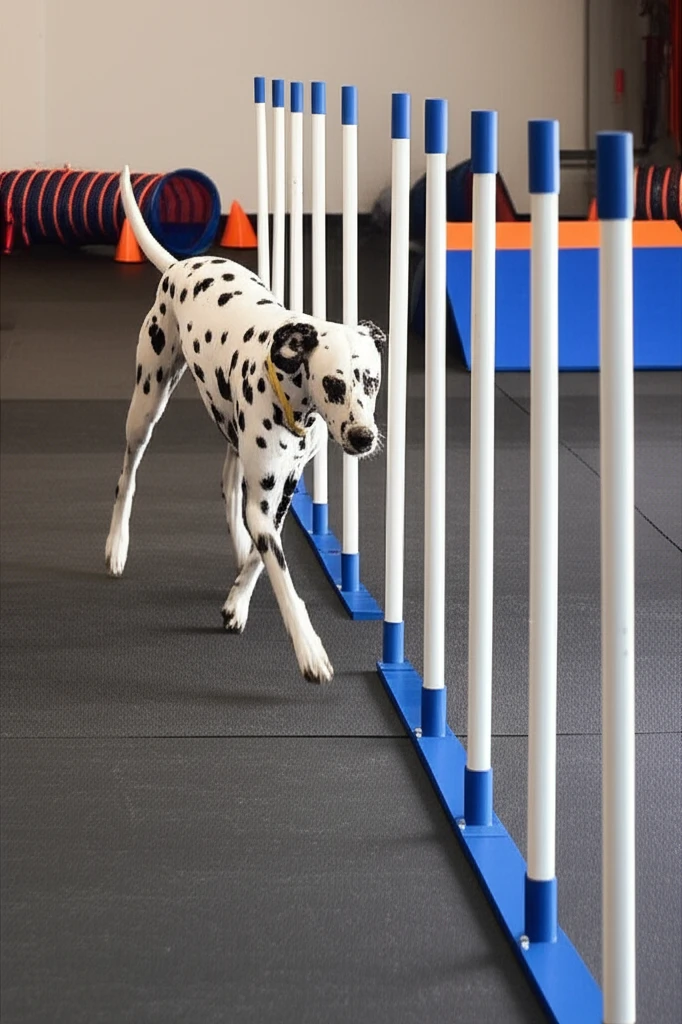
This Is a High-Energy Working Dog
Dalmatians were bred to run alongside horse-drawn carriages for miles at a time. That is not a metaphor. These dogs literally kept pace with horses over long distances, serving as guard dogs for the carriage and its passengers. That heritage produced a dog with extraordinary endurance, a strong, athletic body, and an energy level that does not come with a dimmer switch.
A Dalmatian who does not get enough exercise will create their own, and the results are predictable: destructive chewing, excessive barking, digging, counter surfing, and a general restlessness that makes them difficult to live with. A quick walk around the block is not exercise for a Dalmatian. It is a warm-up. This breed needs sustained physical activity every day: long runs, vigorous play sessions, hiking, or structured activities like agility that combine physical exertion with mental engagement.
But here is the important nuance: more physical exercise alone is not the complete answer. A Dalmatian who gets two hours of running every day will become a fitter Dalmatian who needs even more running. The real solution is combining physical exercise with mental work. Training sessions, nose work, puzzle feeders, and activities that engage the brain tire a Dalmatian in ways that running alone cannot. The most settled Dalmatians are the ones whose owners balance physical activity with regular mental challenges.
Structure Is Everything
Dalmatians are intelligent, observant dogs who thrive on predictability and clear expectations. A Dalmatian who lives with consistent rules and a structured daily routine is a confident, manageable dog. A Dalmatian who lives in chaos, where rules change, exercise is sporadic, and expectations are unclear, becomes anxious and difficult.
Establish a daily routine and stick to it. Meals at the same time. Exercise at the same time. Training sessions built into the day at predictable intervals. Dalmatians draw enormous comfort from knowing what comes next, and that predictability reduces the anxiety-driven behaviors that send so many Dalmatians to rescue organizations before their second birthday.
Impulse control training provides structure at the behavioral level. Wait at doorways. Sit before meals. Stay with increasing duration. Leave-it with gradually increasing difficulty. These exercises teach your Dalmatian that self-regulation is the path to what they want, and a Dalmatian who has internalized that principle is a dramatically different dog from one who acts on every impulse. Start these exercises early, practice them daily, and maintain them permanently. For a breed this energetic, the pause before the action is the most valuable skill you can build.
Deafness: Understanding the Risk and Adjusting Your Approach
Dalmatians have a significantly higher rate of congenital deafness than most breeds. Approximately 15 to 30 percent of Dalmatians are affected, either unilaterally (deaf in one ear) or bilaterally (deaf in both ears). This is linked to the same genetics that produce the white coat and spots. If your Dalmatian is deaf or hearing-impaired, it changes your training approach, but it does not limit what your dog can learn.
Deaf Dalmatians are trained using visual cues, hand signals, and vibration-based markers instead of verbal cues and clickers. A thumbs-up can replace a verbal marker. A vibrating collar (not a shock collar) can serve as an attention-getter at a distance. Hand signals for sit, down, stay, come, and other basics are easy to teach and, for many dogs, easier to learn than verbal cues because dogs are naturally more attuned to body language than spoken words.
The primary training consideration for a deaf Dalmatian is safety. Recall relies on visual contact, which means your dog needs to be looking at you to receive the cue. In a fenced yard, this is manageable. In an unfenced area, it requires additional management, because a deaf Dalmatian who is facing away from you cannot hear you calling. A long line, a vibrating collar for attention, and a strong visual recall cue are the core tools. Many deaf Dalmatian owners find that once they adjust to visual communication, training proceeds just as effectively as it does with hearing dogs. Some even report that their deaf dogs are more focused during training because there are fewer auditory distractions.
Socialization and the Dalmatian Temperament
Dalmatians can be reserved with strangers, and some develop a guardiness that, combined with their size and energy, becomes problematic without proper socialization. Early, extensive socialization is critical for this breed. Expose your Dalmatian puppy to a wide variety of people, dogs, environments, and experiences during the critical window before 16 weeks. Let them observe new situations from a comfortable distance before approaching. Reward calm, confident behavior around novelty.
Many Dalmatians do well with other dogs, but their high energy and physical play style can overwhelm calmer breeds. Structured socialization programs are more appropriate than unstructured dog parks, because the interactions are supervised and your Dalmatian can learn to moderate their intensity. A professional trainer can redirect overarousal in the moment, preventing the kind of escalation that turns exuberant play into conflict.
If your Dalmatian is showing signs of leash reactivity, address it early. Reactivity in a high-energy, strong breed tends to intensify without intervention, and a reactive Dalmatian on leash is difficult and stressful to manage. Work at a distance where your dog can observe triggers without reacting, reward calm behavior heavily, and reduce distance gradually over many sessions. This is slow, patient work, but it produces lasting results with a breed that responds poorly to confrontational corrections.
Finding the Right Outlets
Dalmatians were built to work all day, and the modern Dalmatian still carries that capacity even if the job description has changed. Your responsibility is to provide outlets that satisfy the physical and mental needs this breed was designed for. Without those outlets, every other training goal becomes harder because you are working with a dog whose baseline needs are not being met.
Agility is one of the best activities for Dalmatians. It provides intense physical exercise, requires focused mental engagement, and builds the handler-dog communication that makes everyday life easier. Dalmatians are naturally athletic and often take to agility quickly. The variety of obstacles and the fast pace of the activity match the breed's energy level and need for stimulation.
Running with your Dalmatian, whether jogging, biking, or canicross, satisfies the endurance drive that is central to the breed. A Dalmatian who gets regular running opportunities is calmer at home, more focused during training, and less likely to develop the restless, destructive behaviors that make this breed difficult for unprepared owners. Pair physical exercise with enrichment activities at home: puzzle feeders, frozen Kongs, training games, and novel toys that keep your Dalmatian's brain working between exercise sessions.
At Zoom Room, our training programs combine the physical challenge, mental stimulation, and structured socialization that Dalmatians need. Find a Zoom Room near you and start building the routine that keeps your Dalmatian balanced, engaged, and manageable.
Frequently Asked Questions
Are Dalmatians good family dogs?
Dalmatians can be excellent family dogs for the right family, but they are frequently a mismatch for households that expect a laid-back companion. This breed needs significant daily exercise, consistent training, and mental stimulation. They do best with active families who can provide structured routines and regular physical outlets. Dalmatians can be good with older children who are comfortable around energetic dogs. Very young children may be knocked over by a Dalmatian's exuberance, so supervision is essential. If your family can meet the breed's exercise and training needs, a Dalmatian is a loyal, athletic, and entertaining companion.
How do you train a deaf Dalmatian?
Deaf Dalmatians are trained using visual cues, hand signals, and vibration-based markers instead of verbal cues. A thumbs-up or an open palm flash can replace a verbal marker word. Hand signals for basic cues are easy to teach and often learned faster than verbal cues because dogs are naturally attuned to body language. A vibrating collar, which is different from a shock collar, can serve as a distance attention-getter. The main safety consideration is recall, which requires visual contact. Use a long line in unfenced areas and practice a visual recall cue regularly.
How much exercise does a Dalmatian need?
Dalmatians need substantial daily exercise. Plan for at least one to two hours of vigorous physical activity per day, which can include running, long hikes, vigorous play sessions, or structured activities like agility. A short walk is not sufficient for this breed. Equally important is mental stimulation through training sessions, puzzle feeders, and enrichment activities. Physical exercise alone can create a fitter dog who needs even more exercise. The best approach combines physical activity with mental work to produce a genuinely tired, satisfied Dalmatian.
Ready to Get Started?
Zoom Room's training programs deliver the physical challenge, mental stimulation, and structured socialization that Dalmatians need. Find a location near you and start building the routine your Dalmatian has been waiting for.
Find a Zoom Room