
How to Train an English Mastiff
Your English Mastiff puppy is going to weigh somewhere between 120 and 230 pounds. Every behavior you tolerate at 25 pounds becomes a structural problem at full size. The training window is not as long as you think, and the stakes are higher than with almost any other breed.
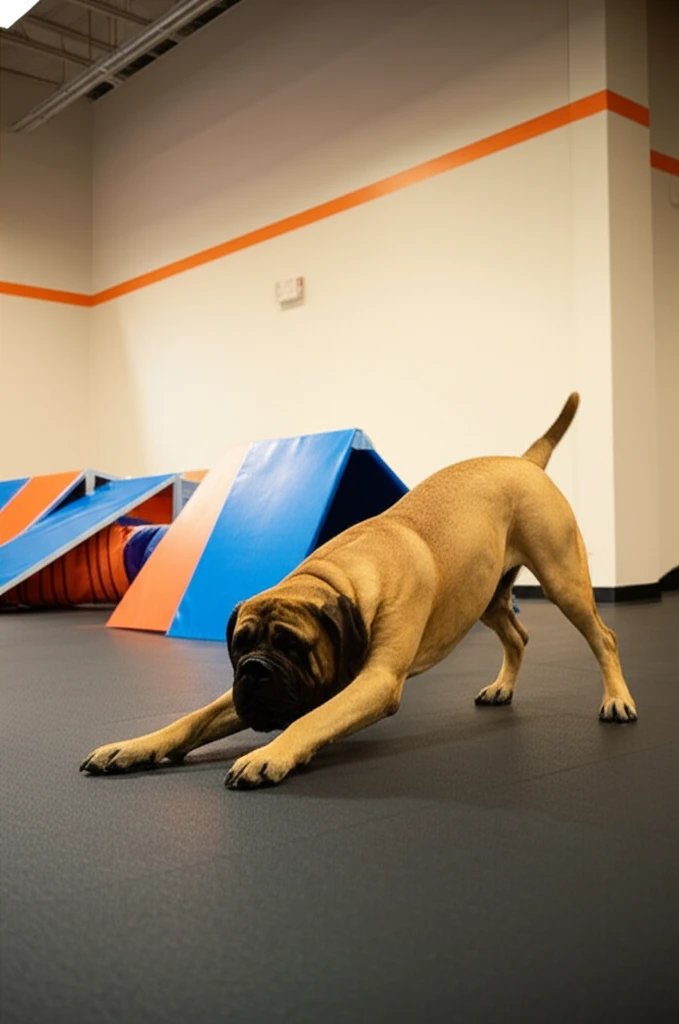
Train the Manners Before the Mass Arrives
An English Mastiff grows at a pace that defies expectations. Your puppy can gain fifteen or more pounds per month during the first year, and by six months, most Mastiffs already outweigh the average Golden Retriever. That growth rate means the gap between a manageable puppy and an unmanageable adolescent closes fast. If your Mastiff does not have solid leash manners, a default sit for greetings, and basic impulse control before they hit 80 pounds, you are going to face months of struggling with a dog you physically cannot redirect.
Jumping is the first behavior to address, and it needs to be a day-one priority. A Mastiff who jumps on people is not just rude. They are dangerous. An adult Mastiff who puts their paws on someone's shoulders will knock most people to the ground. Teach your puppy that all four paws on the floor earns attention, and jumping earns nothing. Every person who interacts with your Mastiff must follow this rule consistently. One guest who encourages jumping undoes weeks of work.
Loose leash walking is the second non-negotiable. Use a front-clip harness from the start, reward your Mastiff for walking at your side, and stop moving every time the leash goes tight. The training mechanics are identical to any breed, but the urgency is unique. A Labrador who pulls is inconvenient. A Mastiff who pulls can dislocate your shoulder. Start when they are small enough to manage, and be relentless about consistency.
Socialization: The Gentle Giant Is Made, Not Born
English Mastiffs have a natural protective instinct. Without deliberate socialization, that instinct can express itself as wariness toward strangers, territorial behavior in the home, or reactivity toward unfamiliar dogs. A 180-pound dog who is uncomfortable around new people is a serious management challenge, and the best time to prevent that outcome is during the first four months of your puppy's life.
Early socialization for a Mastiff should be extensive but carefully managed. Expose your puppy to a wide variety of people: men, women, children, people wearing hats or uniforms, people using wheelchairs or canes, people of different body types and movement styles. Let your Mastiff puppy approach at their own pace and reward calm, curious behavior with high-value treats. Never force an interaction. A single overwhelming experience can create a lasting negative association in a breed that is already naturally cautious.
Socialization with other dogs matters equally. Mastiffs who do not learn appropriate dog social skills during puppyhood can become dogs who use their size inappropriately, not out of aggression, but because they never learned how to read and respond to other dogs' body language. Structured puppy classes and controlled playgroups with well-matched dogs teach your Mastiff how to interact politely with dogs of all sizes. This education is much harder to provide once your Mastiff weighs more than every other dog at the park.
Slow to Mature, Easy to Misread
English Mastiffs mature slowly. Your Mastiff will still behave like a puppy at two years old, and full mental maturity may not arrive until three. This catches many owners off guard because the physical size suggests an adult dog, but the brain inside is still adolescent. A two-year-old Mastiff who ignores a cue they knew perfectly last month is not being stubborn or defiant. They are going through a developmental phase, and they need patience, not pressure.
Training a Mastiff through adolescence requires a specific mindset: expect regression, prepare for inconsistency, and keep your frustration in check. You will reteach things you thought were mastered. You will have days where your Mastiff acts as if they have never heard the word "sit" in their life. This is normal for the breed. Stay consistent with the rules, keep sessions short and positive, and understand that the reliable, steady companion you are building toward will emerge on the Mastiff's timeline.
Mastiffs also have a lower activity threshold than many breeds. They are not dogs who need an hour of intense exercise. Short training sessions of ten to fifteen minutes, a couple of moderate walks, and some mental enrichment through puzzle toys or nose work will satisfy most Mastiffs. Overexercising a growing Mastiff puts dangerous stress on developing joints and bones. Protect those joints during the first two years by avoiding sustained running, jumping from heights, and extended stair climbing until your vet confirms the growth plates have closed.
Body Handling and Veterinary Preparation
Your English Mastiff will need veterinary care, grooming, nail trims, and physical examinations throughout their life. A cooperative 180-pound dog makes all of that possible. An uncooperative 180-pound dog makes it a crisis. Teaching your Mastiff to accept body handling is not optional; it is one of the most practical training investments you will make.
Start during puppyhood. Handle your Mastiff's paws daily, gently examining each toe and holding each paw for a few seconds while delivering treats. Look inside their ears, lift their lips to examine their teeth, and run your hands over their entire body. Pair every touch with something your puppy loves. The goal is a dog who has a positive association with being handled, so that when a stranger at the vet's office needs to examine them, the experience is unremarkable rather than terrifying.
Practice cooperative positioning as well. Teach your Mastiff to step onto a low platform, to stand still while you move around them, and to lie on their side on cue. These skills make veterinary visits, grooming sessions, and even basic daily care dramatically easier. A Mastiff who will voluntarily hold still for an ear cleaning is a gift to every professional who works with them. Start building these habits while your Mastiff is still small enough to guide gently, and maintain them throughout their life.
The Reward of a Well-Trained Mastiff
English Mastiffs who receive consistent, positive training are among the most rewarding dogs to live with. They are calm, devoted, affectionate, and remarkably gentle with their families. The breed's natural dignity and even temperament make a well-socialized Mastiff a dog you can take to outdoor cafes, family gatherings, and public spaces with confidence. That outcome requires front-loading the work: establishing manners before the size arrives, socializing thoroughly during puppyhood, and maintaining structure through the long adolescent period.
Mastiffs are not flashy performance dogs. They are not going to win agility competitions or execute complex trick sequences with blazing speed. What they offer instead is steady, quiet partnership. A trained Mastiff walks calmly at your side, greets visitors politely, and settles peacefully in any environment because they have learned that the world is safe and that you have everything under control.
At Zoom Room, our training programs are designed for dogs of every size, including the very largest. Group classes provide the ongoing socialization your Mastiff needs, and our trainers understand the specific timing pressures that come with giant breeds. Find a Zoom Room near you and start building the foundation your Mastiff needs while the window is still open.
Frequently Asked Questions
Are English Mastiffs hard to train?
English Mastiffs are not hard to train, but they do require a different approach than high-energy breeds. They are willing and eager to please, but they process information at their own pace and can appear stubborn when they are actually just thinking. Keep sessions short, use high-value rewards, and be patient with the slow maturation process. Mastiffs respond very poorly to harsh corrections or raised voices. Positive reinforcement with clear, consistent expectations produces the best results. The main challenge is timing: you need good manners established before the dog's size makes management difficult.
How do I stop my English Mastiff from jumping on people?
Start the day your puppy comes home. Teach a default sit for all greetings. Every person who interacts with your Mastiff needs to follow the same rule: turn away and completely ignore jumping, then give attention only when all four paws are on the floor. Use high-value treats to reward calm greetings. Consistency is critical because jumping is self-reinforcing. Even pushing your Mastiff away counts as attention and strengthens the behavior. If your adult Mastiff already jumps, the same protocol works, but you will also need management tools like a leash and harness during greetings while the new habit is forming.
How much exercise does an English Mastiff need?
Adult English Mastiffs need moderate daily exercise, typically a couple of walks plus some play or training time. They are not high-energy dogs and should not be treated as running partners or endurance athletes. During puppyhood and adolescence, joint protection is a top priority. Avoid sustained running, jumping from heights, or long stair climbing until your vet confirms the growth plates have closed, which can take up to two years. Mental stimulation through short training sessions, puzzle toys, and nose work is equally important for keeping your Mastiff content and well-adjusted.
Ready to Get Started?
Zoom Room's indoor training facility works for every size dog, including the biggest ones. Find a location near you and get your English Mastiff's training started while the window is still open.
Find a Zoom Room