
French Bulldog Potty Training: The Honest Guide to Housebreaking the Hardest Small Breed
If your French Bulldog is still having accidents at six months, eight months, or even a year old, you are not failing. Frenchies are consistently ranked among the most difficult breeds to housebreak, and there are real, breed-specific reasons for that. Understanding those reasons changes the game.
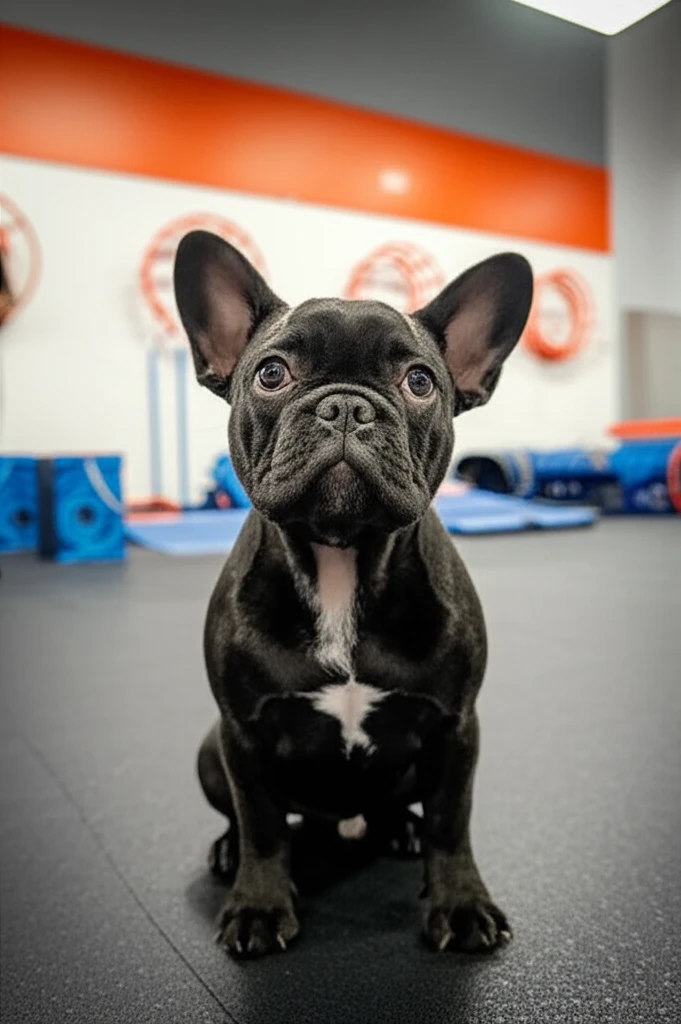
Why Potty Training Takes Longer with French Bulldogs
Several breed-specific factors stack the deck against fast housebreaking with Frenchies. First, their small bladder relative to their fluid intake means they physically need to eliminate more frequently than larger breeds. A Labrador puppy at four months might hold it for four hours. A Frenchie puppy at the same age may need to go every two hours, and sometimes more often.
Second, Frenchies have a shorter attention span than many breeds when it comes to routine learning. They are smart dogs, but their intelligence tends toward charm and social manipulation rather than the eager-to-please compliance that makes housebreaking easier with breeds like Golden Retrievers. Your Frenchie understands what you want. Whether they prioritize it over whatever else they are thinking about is another question entirely.
Third, weather sensitivity is a real factor. Frenchies are brachycephalic, meaning they are heat-sensitive and generally not fans of rain, cold, or wind. A dog who hates going outside in bad weather will hold it until they come back inside and then go on your floor. This is not spite. It is a dog choosing the comfortable option, and you need to work around it rather than fight it.
Finally, many Frenchies come from breeding situations where early housebreaking foundations were not established. A puppy who spent their first weeks eliminating in their living space has to unlearn that habit before building a new one. That takes extra time and patience.
What Works for Frenchies Specifically
Shrink the timeline, not the expectations. Take your Frenchie out every 90 minutes to two hours, after every meal, after every nap, after every play session, and any time they start sniffing and circling. Yes, this is a lot. For the first few months, housebreaking a Frenchie is essentially a part-time job. But every successful outdoor elimination that you reward is a deposit in the right account.
Crate training is essential, not optional. Most dogs will avoid eliminating in their sleeping space, and Frenchies are no exception. A properly sized crate, just big enough to stand, turn around, and lie down, gives your Frenchie a reason to hold it between trips outside. If the crate is too large, they will use one end as a bathroom and sleep at the other end. Size matters here.
Pick one outdoor spot and stick with it. Take your Frenchie to the same patch of grass every single time. The accumulated scent acts as a prompt, telling your dog "this is where we do this." Add a verbal cue, a calm phrase you say while they are actively going, so they associate the word with the action. Over time, the cue itself helps trigger elimination on schedule.
Make going outside worth the discomfort. In cold or wet weather, bring your best treats outside and reward immediately, within two seconds of your Frenchie finishing. Do not wait until you are back inside. The reward has to connect to the act of going outdoors, not the act of walking through the door. For rain-resistant Frenchies, consider a covered potty area or a porch-adjacent grass patch that offers some shelter.
Clean accidents with enzymatic cleaner, every time. If your Frenchie can smell a previous accident, that spot becomes an approved bathroom in their mind. Standard cleaners do not break down the proteins. Enzymatic cleaners do. Soak the area and let it air dry completely.
No punishment for accidents. Ever. Scolding, nose rubbing, or showing your dog the mess after the fact teaches them nothing about where to go and a lot about hiding from you when they need to eliminate. If you catch your Frenchie mid-accident, calmly interrupt and take them outside. If you find it after the fact, clean it up and adjust your supervision schedule.
The Socialization Connection
Potty training might seem unrelated to socialization, but they are more connected than you would expect. A new puppy who is confident and comfortable in their environment housebreaks faster than one who is anxious or overstimulated. Frenchies who are properly socialized settle into household routines more quickly because they are not spending mental energy being nervous about unfamiliar sounds, surfaces, or situations.
Puppy socialization classes also build the trainer-dog communication skills that support all future training, including housebreaking. A Frenchie who learns to look to you for cues, read your body language, and respond to reward markers in a group class applies those same skills when you are standing in the yard at 6 a.m. waiting for them to go.
The full French Bulldog training guide covers the broader picture of working with this breed's unique personality, including their stubborn streak and their talent for getting what they want. For the nuts and bolts of potty training across all breeds, that page covers the general timeline and method in more detail.
Frequently Asked Questions
How long does it take to potty train a French Bulldog?
Most Frenchies need four to six months of consistent training to become reliably housebroken, and some take longer. This is significantly longer than breeds like Labrador Retrievers or German Shepherds, which often get the basics within a few weeks. Do not compare your Frenchie's timeline to other breeds. If you are seeing gradual improvement with fewer accidents each week, you are on track. If accidents are not decreasing after several weeks of consistent effort, consult a trainer to troubleshoot your schedule and management setup.
My Frenchie pees inside right after coming in from outside. Why?
This is one of the most common Frenchie potty training frustrations. Your dog likely spent their outdoor time sniffing, exploring, and being stimulated by the environment rather than focusing on eliminating. When they come back inside and relax, the urge hits. The fix: stay outside longer and wait for your dog to go before coming in, reward immediately when they do eliminate outside, and if they do not go within 10 to 15 minutes, bring them in and put them in their crate for 15 minutes, then try again. Repeat until they go outside. It is tedious, but it works.
Build the Foundation Your Frenchie Needs
Zoom Room's puppy classes build the communication, confidence, and routine skills that make housebreaking easier. Start your French Bulldog's training with expert guidance and a structured environment.
Find a Zoom Room