
How to Train a German Shepherd (They Need a Job — Give Them a Good One)
German Shepherds are the overachievers of the dog world. They're intelligent, athletic, loyal, and driven — which means they're incredible when trained well and challenging when they're not. A GSD without direction doesn't sit around being bored. They find a job: barking at everything, patrolling your fence line, herding your kids, or dissecting your furniture.
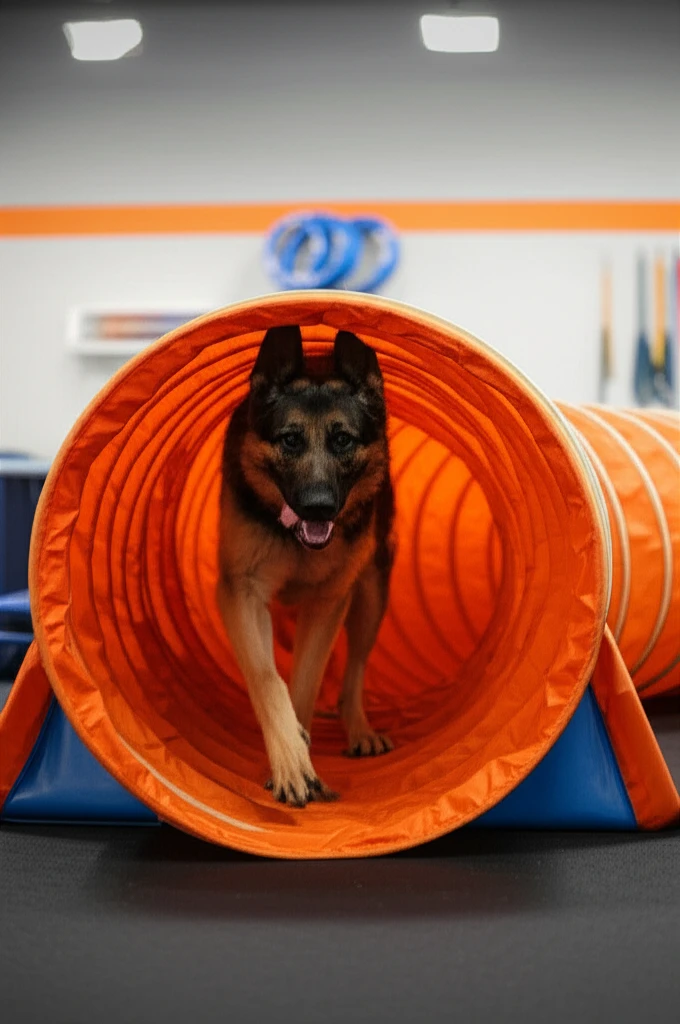
What Makes German Shepherds Different to Train
German Shepherds aren't just smart dogs — they're working-dog smart. That distinction matters. A GSD doesn't just want to learn tricks for treats. They want to understand the system, anticipate what comes next, and do it before you ask. This makes them extraordinary partners when you channel it correctly and deeply frustrating when you don't.
Their intelligence demands mental challenges, not just physical exercise. A tired GSD who hasn't been mentally engaged is still a restless GSD. They need problem-solving, structured obedience, scent work — activities that make them think, not just run.
GSDs are profoundly handler-focused. They bond deeply with their person and are motivated by the relationship itself, not just food rewards. This is a breed that works for you because they want to work with you — which means engagement-based training produces better results than treat-dispensing ever will.
They're naturally watchful and alert. This is a feature of the breed, not a flaw. But without proper socialization, that watchfulness curdles into reactivity, fearfulness, or inappropriate guarding. A well-socialized GSD notices everything and responds to nothing unless asked.
One more thing to know: they're quick learners who also learn things you didn't mean to teach. If you accidentally reward anxious behavior, they'll remember. If you let them practice pulling on the leash for three months, they've now rehearsed that behavior hundreds of times. With a physically powerful dog, these unintentional lessons compound fast.
The Socialization Imperative
For most breeds, socialization is important. For German Shepherds, it's a requirement. The breed has an inherent tendency toward wariness with strangers — not aggression, but a natural reserve that, without deliberate exposure, can develop into anxiety-based reactivity or over-protectiveness.
Under-socialized GSDs are among the most common cases of leash reactivity trainers see. The dog isn't trying to be aggressive — they're overwhelmed by a world they were never taught to navigate. Early and ongoing exposure to diverse people, dogs, environments, and sounds is the single most important investment you can make in a German Shepherd puppy.
And socialization isn't a checkbox you complete at 16 weeks. The GSD's watchful temperament means continued socialization throughout their life. They need regular, positive encounters with novelty — new people approaching calmly, new dogs in structured settings, new environments where good things happen.
Group classes provide exactly the structured social exposure this breed needs. Your GSD learns to be around other dogs and people in a controlled environment, building confidence through repeated positive experiences rather than flooding or avoidance.
What Actually Works
Mental work comes first. Before you worry about how many miles your GSD is running, ask how many minutes they're thinking. Obedience training, scent work, agility, puzzle toys, and problem-solving games satisfy the working drive that physical exercise alone never will.
Structure and consistency are non-negotiable. GSDs thrive on clear rules and predictability. They want to know the system, and they want the system to be fair and consistent. If sitting earns a reward on Monday but gets ignored on Tuesday, they don't stop sitting — they start testing every other behavior to figure out what the new rules are.
Use their desire to work with you. Engagement-based training — where your attention, praise, and interaction are the primary rewards — taps into what motivates this breed at a fundamental level. Treats are useful tools, especially early on, but the GSD who works because they're connected to their handler is more reliable than the one who works because they smell cheese.
Vary your training environments. GSDs are pattern-matchers. They'll learn "sit" in the kitchen beautifully and look at you blankly in the park. Practice every behavior in multiple locations, with varying levels of distraction. Generalization doesn't happen automatically — you have to build it deliberately.
Give the guarding drive an appropriate outlet. Rather than suppressing your GSD's natural alertness, teach them what to do with it. A trained "alert" followed by a settle, a "go to place" cue when someone knocks — these give the guarding instinct a job description instead of letting it freelance.
Positive reinforcement builds confidence. This matters more with GSDs than many people realize. Despite their imposing appearance, German Shepherds can be surprisingly sensitive. Punishment-based methods frequently create anxiety in a breed already prone to it, producing exactly the nervous, reactive dog you were trying to prevent.
Common Challenges
- Leash reactivity. Whether fear-based or frustration-based, this is extremely common in under-socialized GSDs. The dog lunges and barks not because they're dominant but because they're overwhelmed and have never learned an alternative response. Structured training that builds confidence around triggers — at appropriate distances, with gradual progression — is the solution.
- Territorial barking. Your GSD heard a leaf hit the driveway and alerted the entire block. This is the guarding drive doing its job without any guidelines. Management (limiting visual access to triggers), redirection (teaching a "thank you, quiet" sequence), and providing an alternative job all help.
- Over-bonding to one person. GSDs are loyal to a fault — sometimes literally. When they attach exclusively to one family member, it creates separation anxiety and can make them suspicious of everyone else. Broader socialization with multiple handlers and training with different family members prevents this.
- "Velcro dog" syndrome. Related to over-bonding, some GSDs cannot tolerate being in a different room than their person. Building independence through confidence-building exercises, place training, and gradually increasing alone time helps them learn that separation is safe, not threatening.
The Bigger Picture
A well-trained German Shepherd is one of the most capable, loyal, and adaptable dogs you'll ever live with. There's a reason this breed serves in police work, search and rescue, service dog roles, and competitive obedience — they're built to partner with humans on complex tasks, and they excel when given the chance.
The investment in socialization and mental work prevents the problems people associate with the breed. Every GSD behavior "problem" — the reactivity, the barking, the destructiveness, the anxiety — has a working-drive explanation and a training solution. These aren't bad dogs. They're unemployed dogs.
Group classes combine the two things German Shepherds need most: socialization with structured mental work. Your GSD gets to practice focus, obedience, and impulse control while surrounded by other dogs and people — building the exact skills that prevent reactivity and anxiety from taking root.
Frequently Asked Questions
How do I prevent my German Shepherd from becoming reactive on leash?
The single most effective prevention is early and ongoing socialization. Expose your German Shepherd to a wide variety of people, dogs, environments, and sounds starting as a puppy and continuing throughout their life. Structured group classes are ideal because your dog practices being calm around other dogs and people in a controlled setting. If reactivity has already developed, work with a trainer who uses positive reinforcement to build your dog's confidence around triggers at appropriate distances, gradually decreasing the distance as your dog learns to stay calm.
Do German Shepherds need a job to be happy?
Yes, German Shepherds genuinely need mental work to be fulfilled. This doesn't mean you need to enroll them in police training. Daily obedience practice, puzzle toys, scent work, agility, trick training, or structured fetch games all satisfy their working drive. The key is that their brain gets engaged, not just their body. A GSD who gets a long run but no mental challenge will still be restless and may channel that unspent mental energy into barking, pacing, or destructive behavior.
Are German Shepherds good family dogs?
German Shepherds can be outstanding family dogs when properly socialized and trained. They are loyal, protective, and form deep bonds with every family member. The key is ensuring your GSD is socialized with children, other pets, and visitors from an early age so their natural watchfulness doesn't develop into inappropriate guarding. Have multiple family members participate in training so the dog bonds broadly rather than attaching exclusively to one person. A well-socialized, well-trained GSD is patient, gentle, and deeply devoted to the entire family.
Give Your GSD the Job They Deserve
Group classes deliver the mental work and socialization German Shepherds are built for. Find your nearest Zoom Room.
Find a Zoom Room