
German Shepherd Reactivity: When Your GSD's Protective Instinct Becomes a Problem
Your German Shepherd sees another dog across the street and explodes: lunging, barking, hackling up. At 70-plus pounds with that deep bark, it looks terrifying. But what is driving that reaction is almost always anxiety, not aggression, and that distinction changes everything about how you address it.
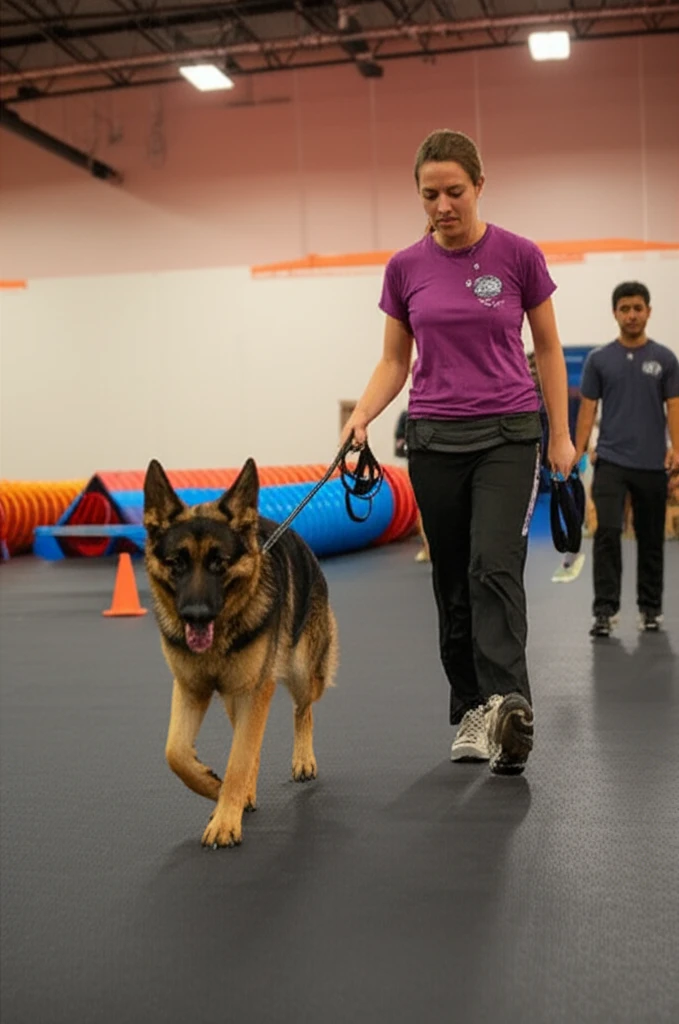
Why Reactivity Shows Up Differently in German Shepherds
German Shepherds were selectively bred for vigilance. A good working GSD notices environmental changes before anyone else does and responds decisively. That is an asset when the job is protection or herding. On a neighborhood walk, that same hardwiring produces a dog who is scanning constantly, cataloging potential threats, and reacting to anything that reads as unfamiliar or unpredictable.
Two breed-specific traits make GSD reactivity particularly challenging. First, their natural wariness of strangers, both human and canine, means their threshold for reacting is lower than many other breeds. A Labrador might see an unfamiliar dog and think "friend." Your GSD's default is closer to "unidentified, assess threat level." Second, their sheer size and vocal power make reactive episodes dramatically more intense. A reactive Chihuahua is a nuisance. A reactive German Shepherd changes the energy of an entire street.
Genetics loads the gun, but insufficient socialization during the critical developmental window pulls the trigger. A GSD who does not get broad, positive exposure to a wide variety of dogs, people, and environments between 8 and 16 weeks is significantly more likely to develop reactive behavior. If your dog is past that window, structured socialization can still make a real difference, but you are doing rehabilitation rather than prevention.
What Works for German Shepherds Specifically
GSDs are handler-focused dogs who genuinely want to do the right thing. That is your biggest advantage. Unlike breeds that are indifferent to your opinion, a German Shepherd cares deeply about partnership with you. Use that bond as your foundation.
Increase distance before you increase expectations. Find the distance at which your GSD can notice another dog without reacting. That is your starting line. Reward calm attention at that distance, then gradually close the gap over weeks, not days. Rushing this process with a GSD almost always backfires because they remember negative experiences vividly.
Give your dog a job. GSDs fall apart when they have nothing to do in a stressful situation. Teach a reliable "watch me" or heel cue that your dog can perform when triggers appear. Having a task to focus on channels that vigilant energy into something productive rather than letting it spill over into reactivity.
Avoid the correction trap. It is tempting to use leash corrections or verbal reprimands with a powerful dog who is embarrassing you in public. With a German Shepherd, this consistently makes reactivity worse. Your dog is already in a heightened emotional state. Adding pressure confirms their belief that encountering other dogs leads to bad things. Leash reactivity in particular escalates rapidly when corrections enter the picture.
Build positive associations systematically. Every time your GSD sees another dog and something good happens, like treats or play, you are rewriting the emotional response. This is not bribery. It is counter-conditioning, and it works especially well with GSDs because they form strong associations quickly. The same learning speed that can create reactivity can be redirected to create confidence.
The Socialization Connection
A German Shepherd who only encounters other dogs on leash, across a street, while their owner tenses up and shortens the lead, is learning that other dogs predict stress. Structured group classes flip that script entirely. Your dog experiences other dogs in a controlled environment where the energy is calm, the distances are managed, and the association is positive.
For GSDs specifically, the controlled indoor environment matters enormously. Outdoor encounters are unpredictable: a dog might charge over, an owner might let their dog invade your space, and your German Shepherd practices reactivity one more time. In a training facility, every interaction is intentional. Your GSD can learn that other dogs are part of a structured, safe routine rather than unpredictable threats to manage.
Rottweiler owners deal with a similar pattern where protective instinct and size combine to make reactivity especially concerning. The socialization approach is nearly identical: structured exposure, distance management, and building positive associations before expecting calm behavior up close. For a deeper look at the full German Shepherd training picture, including their exercise and mental stimulation needs, start there.
Frequently Asked Questions
Is my reactive German Shepherd aggressive?
In most cases, no. Reactivity is a fear-based or frustration-based overreaction, not a desire to cause harm. Your GSD is most likely communicating that they feel uncomfortable and want the other dog to go away. That said, reactivity can escalate into aggression if the underlying anxiety is not addressed, which is why working on it sooner rather than later matters. A trainer experienced with the breed can help you assess your specific dog's body language and build a plan that addresses the emotional root of the behavior, not just the visible symptoms.
At what age do German Shepherds become reactive?
Reactivity often emerges between 6 and 18 months, which coincides with adolescence and the development of adult wariness. A GSD puppy who was friendly with every dog they met may suddenly start reacting as they mature and their breed-typical vigilance kicks in. This is when consistent socialization is most critical. If your adolescent GSD is starting to show reactive behavior, do not wait it out. Address it now while the behavior patterns are still forming. Early intervention produces significantly better outcomes.
Help Your GSD Build Confidence, Not Fear
Zoom Room's controlled indoor environment gives your German Shepherd structured, positive exposure to other dogs, building the confidence that replaces reactivity. Work with trainers who understand protective breeds.
Find a Zoom Room