
How to Train an Irish Setter
Irish Setters are gorgeous, joyful dogs who will make you laugh every day and test your patience on the same schedule. Their puppyhood lasts longer than most breeds, their attention span is shorter than you expect, and their enthusiasm for life outpaces their ability to focus on any one thing. Training an Irish Setter is an exercise in loving persistence.
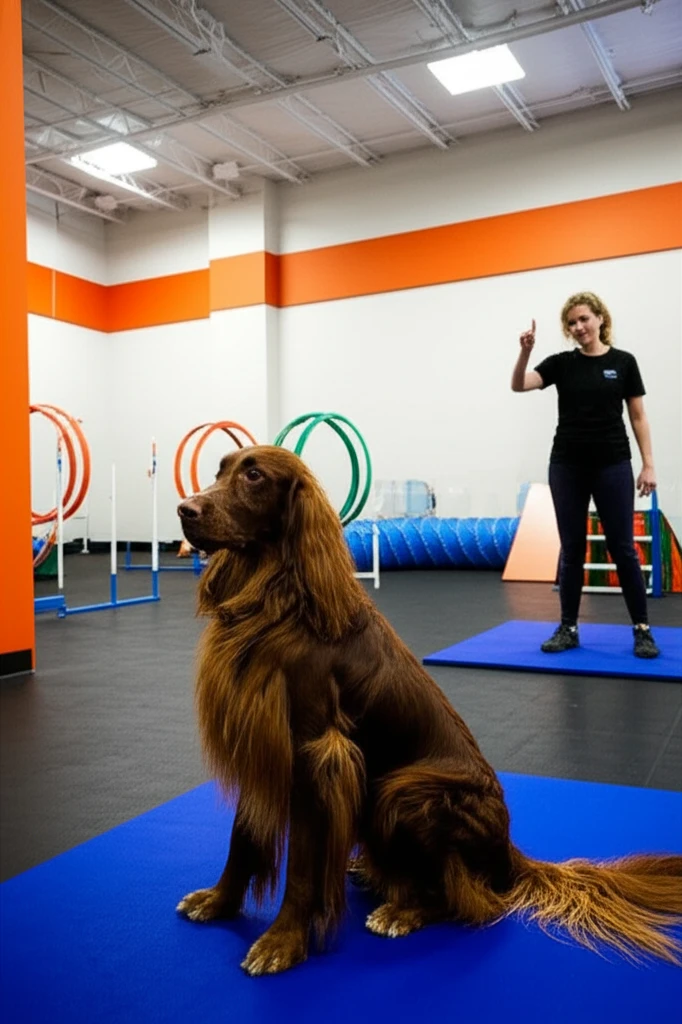
The Longest Puppyhood in the Sporting Group
Irish Setters mature more slowly than almost any other sporting breed. Your Setter will still behave like a puppy at two years old, and many do not reach full mental maturity until three. That means two to three years of adolescent behavior: distractibility, selective hearing, impulse-driven decision-making, and a seemingly genuine inability to remember cues they performed perfectly yesterday. This is not stubbornness. This is a dog whose brain is still under construction.
The extended puppyhood catches many owners off guard because Irish Setters are large dogs. By eight months, your Setter looks like an adult. They have the long legs, the flowing coat, and the physical presence of a mature dog. But inside that beautiful exterior is a puppy brain that is still months away from being able to sustain focus, resist impulses, and make considered choices. Expecting adult behavior from a mentally immature dog creates frustration for both of you.
Adjust your timeline. Accept that training an Irish Setter is a longer-term project than training many other breeds. Celebrate incremental progress rather than demanding mastery. A Setter who held a sit-stay for ten seconds yesterday and manages fifteen today is making real progress, even if the dog next to them in class can hold it for a minute. Comparison is the enemy of good training with this breed. Measure your Setter against their own previous performance, not against other dogs.
Impulse Control: Teaching a Joyful Dog to Think First
Irish Setters experience the world at full emotional volume. Everything is exciting. Everything is interesting. Every person is a potential friend, every smell is worth investigating, and every open space is an invitation to run. That exuberance is one of the breed's most endearing qualities, but it also means your Setter's default mode is "act now, think later."
Building impulse control is the single most impactful training investment you can make with an Irish Setter. Start with simple exercises that reward pausing: ask for a sit before meals, before going through doorways, and before greeting people. Hold a treat in your closed hand and reward the moment your Setter stops nosing at it and looks at you instead. These exercises teach the foundational concept that calm, thoughtful behavior earns access to good things faster than frantic behavior does.
Progress gradually to more challenging scenarios. Practice stay while a ball is rolled nearby. Practice waiting at the front door while a visitor enters. Practice holding a sit while another dog walks past in a group class. Each level increases the difficulty, and each success builds your Setter's capacity for self-regulation. The goal is not to suppress their joy. It is to teach them that a moment of self-control is the fastest path to the thing they want. An Irish Setter with trained impulse control is still exuberant and delightful. They have just developed the ability to choose when to release that energy.
Recall: The Cue That Matters Most
Irish Setters were bred to range widely across open fields, quartering ahead of the hunter to locate game birds. That ranging instinct means your Setter is genetically inclined to move away from you, cover ground, and follow their nose wherever it leads. When that instinct combines with the breed's extended puppyhood and limited impulse control, you get a dog who can be genuinely difficult to call back once they are in motion.
A strong recall cue is essential for Irish Setter safety. Build it from the ground up, starting in low-distraction indoor environments where success is almost guaranteed. Use the highest-value treats you have. Make coming to you the best thing that happens in your Setter's day, every single time. Never call your Setter to you for something unpleasant, never punish them when they finally do come back after ignoring you, and never use the recall cue unless you are reasonably confident they will respond. Every failed recall weakens the cue. Every successful one strengthens it.
In the real world, manage your Setter's freedom level based on the environment. A long line gives your Setter the feeling of freedom while maintaining your ability to prevent them from disappearing over the horizon. Fenced areas are ideal for off-leash running. Open, unfenced spaces near roads or wildlife are too risky for most Irish Setters, particularly during the first three years. Your Setter's recall will improve as they mature, but the foundational work you do now determines whether that recall is solid enough to trust.
Leash Walking With a Dog Who Wants to Be Everywhere
Irish Setters pull on the leash because the world is full of things they want to reach as quickly as possible. Every person, every dog, every interesting scent is a magnet, and your Setter will lean into the harness with their entire 60 to 70 pounds of enthusiasm to get there. This is not defiance. This is a sporting dog's natural desire to cover ground and investigate their environment.
Loose leash walking requires patience and consistency that matches the breed's maturation timeline. Use a front-clip harness to reduce pulling mechanically, and combine it with positive reinforcement for choosing to walk at your side. When the leash is loose, your Setter gets treats and forward movement. When the leash goes tight, you stop. The message is simple, but with an Irish Setter, the repetitions required are significant. Expect the process to take longer than it would with a less impulsive breed.
Vary your routes frequently. Irish Setters bore easily, and a walk that follows the same path every day becomes less interesting, which means less motivation to stay engaged with you. Novel routes give your Setter's nose and brain new material to process, which actually makes the walking training easier because your Setter has a reason to stay mentally present rather than tuning out and defaulting to pulling.
Socializing the Life of the Party
Irish Setters are naturally social dogs who generally love people and other dogs. That sociability is a strength, but it needs to be shaped. An Irish Setter who has not learned appropriate social manners becomes a dog who bowls people over with enthusiasm, overwhelms smaller dogs with their energy, and drags you across parking lots toward every person they see. Their friendliness is genuine, but unstructured friendliness at 65 pounds creates chaos.
Structured socialization classes teach your Irish Setter how to greet calmly, how to read other dogs' body language, and how to regulate their own energy in social situations. Group training classes are ideal because they provide regular exposure to other dogs and people in a controlled environment where your Setter can practice being social without practicing being chaotic.
At Zoom Room, our training programs give you the structure and professional guidance to work with your Irish Setter's joyful temperament rather than against it. Our positive reinforcement approach matches the breed perfectly, and our group classes provide the ongoing socialization and impulse control practice that Irish Setters need throughout their extended adolescence. Find a Zoom Room near you and give your Irish Setter the patient, consistent training they deserve.
Frequently Asked Questions
Are Irish Setters easy to train?
Irish Setters are intelligent and eager to please, but their slow maturation and high distractibility make training a longer process than with many other breeds. They are not stubborn in the way that independent breeds are. They are simply young for a long time, which means their focus, impulse control, and consistency are still developing well past their first birthday. Positive reinforcement works beautifully with this breed. Keep sessions short, upbeat, and varied. Use high-value rewards and celebrate progress in small increments. The reliable, well-mannered adult dog you are working toward will arrive. It just takes patience.
How much exercise does an Irish Setter need?
Adult Irish Setters need at least one to two hours of daily activity. They are a high-energy sporting breed with real stamina, so moderate walks alone will not satisfy them. Include running, swimming, fetch, or another vigorous physical activity alongside mental stimulation through training sessions, puzzle toys, or nose work. A Setter whose physical and mental needs are met is significantly calmer and more focused at home. A Setter whose needs are unmet will find outlets you will not enjoy, including destructive behavior, excessive barking, and restless pacing.
When do Irish Setters calm down?
Most Irish Setters begin to settle noticeably around age three, though some take longer. The breed is famously slow to mature mentally, and the goofy, impulsive adolescent stage lasts much longer than with most other breeds. This does not mean you should wait for maturity to start training. The habits, impulse control, and socialization skills you build during the first three years are what determine how your Setter behaves as an adult. Think of the extended puppyhood as an extended training opportunity rather than a period to endure.
Ready to Get Started?
Zoom Room's positive reinforcement classes are perfectly suited for the Irish Setter's joyful temperament. Find a location near you and start building the skills your Setter needs through their extended puppyhood and beyond.
Find a Zoom Room