
How to Train a Jack Russell Terrier
There is more dog packed into a Jack Russell Terrier than should be physically possible. This is a 15-pound dog with the energy of a Border Collie, the prey drive of a Greyhound, and the stubbornness of a dog three times its size. If you are not prepared to match that intensity with structure, your Jack Russell will happily manage the household themselves.
Why Your Jack Russell Is Not a Small Dog
The biggest mistake new Jack Russell owners make is treating this breed like a small companion dog. Jack Russells were bred to bolt foxes from underground dens. That job required a dog with explosive energy, relentless determination, a high tolerance for discomfort, and the independent decision-making to work alone in a dark hole. Your Jack Russell still has every one of those traits, and they are running at full throttle whether you have a fox den or not.
A Jack Russell who does not have enough physical exercise, mental stimulation, and structured outlets will create their own entertainment. That usually means digging through your garden, barking at every sound and movement within a quarter mile, destroying furniture, or finding increasingly creative escape routes from your yard. These behaviors are not defiance. They are a working breed whose drives have nowhere productive to go. The solution is never punishment. The solution is giving those drives a job.
If you went into Jack Russell ownership expecting a calm lap dog, you need to adjust your expectations now. This breed requires daily physical exercise, daily mental stimulation, and consistent training throughout their life. The reward for that investment is a brilliantly responsive, endlessly entertaining, and deeply loyal companion. But the investment is non-negotiable.
Channeling the Energy: Structure Over Suppression
You cannot tire out a Jack Russell through physical exercise alone. Owners who try end up with a fitter, faster dog who is still bouncing off the walls. A five-mile run just builds a better athlete. What actually settles a Jack Russell is mental fatigue: training sessions that require problem-solving, puzzle toys that demand persistence, and activities that engage both brain and body simultaneously.
Enrichment activities should be a daily staple. Scatter feeding, snuffle mats, puzzle feeders that require manipulation, and nose work games all tap into your Jack Russell's natural problem-solving abilities. A fifteen-minute nose work session where your dog has to track down hidden treats will tire them more effectively than thirty minutes of fetch. The goal is not to exhaust the body but to satisfy the brain.
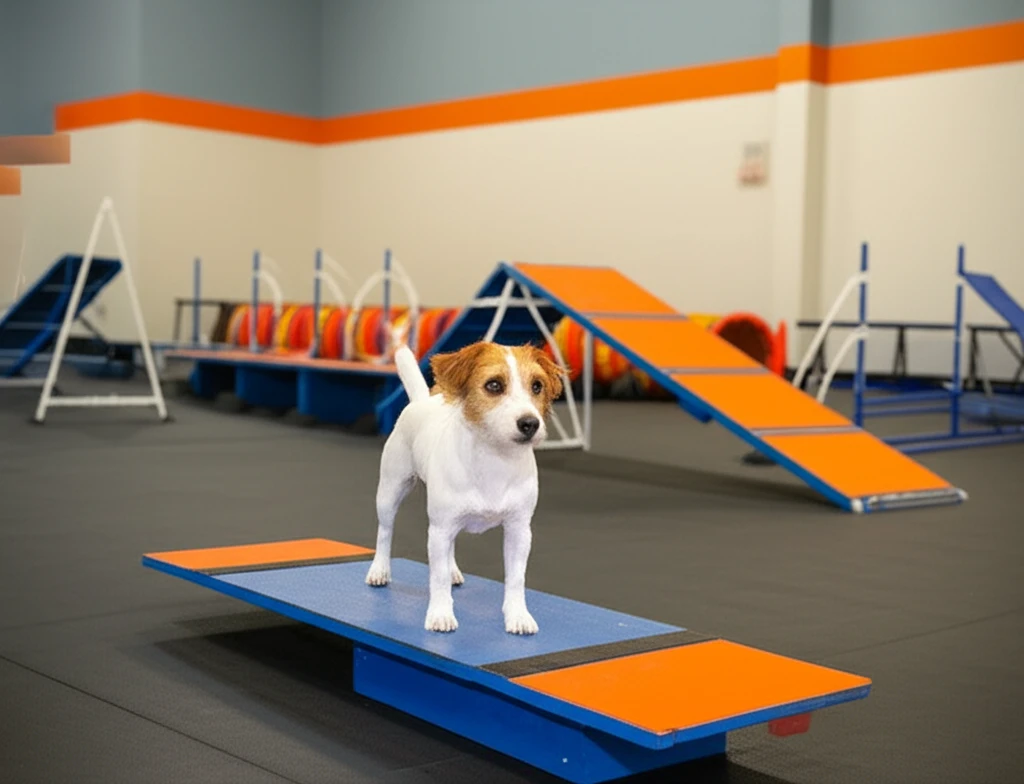
Agility is practically custom-designed for this breed. Jack Russells are fast, athletic, and thrive on the rapid decision-making that agility requires. The combination of physical movement, handler communication, and course navigation engages every aspect of a terrier's drive. Trick training is another excellent outlet because it gives your Jack Russell a steady stream of new challenges. This is a breed that gets bored with repetition fast. If you are still drilling the same three cues after a month, your Jack Russell checked out two weeks ago. Keep things novel, keep things challenging, and keep things moving.
Impulse Control: Teaching the Pause Button
Jack Russells are reactive by design. They were bred to respond instantly to movement, sound, and opportunity. That hair-trigger responsiveness made them exceptional hunters, but it makes them challenging house dogs if you do not actively build impulse control as a skill.
Impulse control for a Jack Russell means teaching them that waiting earns better outcomes than lunging. Start with simple exercises: hold a treat in your closed fist and wait for your dog to stop pawing and nosing at it. The moment they back off or look at you, reward. Build from there to waiting at doorways, holding a stay while a ball is rolled past them, and maintaining calm when they see a squirrel through the window. Every repetition builds the neural pathway for pausing before acting, and that pause is the difference between a dog you can manage and a dog who manages you.
The "leave it" cue is one of the most important tools you can teach a Jack Russell. This breed will go after anything that moves, falls, or smells interesting, and a solid leave it gives you a way to interrupt that impulse before it escalates. Practice with low-value distractions first and build systematically toward higher-value challenges. Do not rush the progression. A Jack Russell who can leave a boring treat on the floor but lunges at a squirrel has not actually learned the cue. They have learned it for one context. Generalization takes time and deliberate practice across many environments and distraction levels.
Barking, Digging, and the Behaviors You Cannot Punish Away
Jack Russells bark. They dig. They chase. These behaviors are not problems to be eliminated. They are breed drives to be managed and redirected. Punishing a Jack Russell for barking is like punishing a retriever for carrying things in their mouth. You are fighting the dog's fundamental wiring, and you will lose.
Barking in Jack Russells often falls into two categories: alert barking (responding to sounds and movements) and demand barking (barking at you for attention, food, or play). Alert barking is managed by teaching a "thank you" or "enough" cue that acknowledges the trigger and redirects your dog. Demand barking is addressed by making it completely unproductive: every bark earns nothing, and calm behavior earns everything. Both require consistency from everyone in the household.
Digging is best managed by providing an approved outlet rather than trying to stop it entirely. A designated digging area, like a sandbox or a section of the yard with buried toys, gives your Jack Russell a place to express the digging instinct without destroying your flower beds. If your Jack Russell digs inside, that usually signals insufficient exercise or mental stimulation. Address the root cause, and the symptom typically resolves.
The common thread across all terrier challenges is this: suppression creates frustration, and frustrated terriers escalate. Redirect the drive, provide outlets, and maintain consistent rules. Your Jack Russell does not need to stop being a terrier. They need to be a terrier within a structure that works for both of you.
The Jack Russell Who Gets Enough Is a Remarkable Dog
A Jack Russell Terrier who receives adequate exercise, mental enrichment, consistent training, and appropriate outlets for their terrier drives is one of the most engaging, responsive, and entertaining dogs you will ever own. They are quick learners, fiercely loyal, surprisingly affectionate, and endlessly amusing. The problem is never the breed. The problem is the gap between what the breed needs and what the owner provides.
Jack Russells excel in structured activities. Agility, nose work, trick training, and barn hunt all give this breed a purpose that satisfies their intelligence and energy. Enrolling your Jack Russell in a regular training program provides both the mental stimulation they need and the ongoing socialization that keeps them well-adjusted around other dogs and people.
At Zoom Room, our training programs include agility, nose work, and obedience courses that give high-drive breeds like the Jack Russell Terrier the outlet they need. Our indoor environment keeps training consistent, and our positive reinforcement approach works with terrier intelligence rather than against it. Find a Zoom Room near you and give your Jack Russell the structure and stimulation they have been asking for.
Frequently Asked Questions
Are Jack Russell Terriers easy to train?
Jack Russells are extremely intelligent and learn very quickly, but they are not easy to train in the traditional sense. They are independent thinkers who were bred to work without human direction, which means they will question whether your plan is better than theirs. They bore easily and lose interest in repetitive drills. They are also intensely motivated by prey drive, which can override training in high-stimulation environments. The key is keeping sessions short, varied, and highly rewarding. Use excellent treats, change activities frequently, and make training feel like a game rather than a chore. A motivated Jack Russell is one of the fastest learners you will encounter.
How do I stop my Jack Russell from digging up the yard?
Rather than trying to eliminate digging entirely, redirect it. Create a designated digging zone, like a sandbox or a specific area of the yard, and bury toys or treats there to make it more appealing than your garden. When you catch your Jack Russell digging in an unapproved area, calmly redirect them to the approved zone and reward them for digging there. At the same time, make sure your dog is getting enough physical exercise and mental stimulation. Excessive digging is often a sign that your Jack Russell's energy and enrichment needs are not being met.
How much exercise does a Jack Russell Terrier need?
An adult Jack Russell needs at least one to two hours of activity daily, but the type of exercise matters more than the amount. Physical exercise alone will not satisfy this breed. You need to include mental stimulation: training sessions, puzzle toys, nose work, or a structured activity like agility. A thirty-minute training session that challenges your Jack Russell's brain is more tiring than an hour of running. The goal is to tire the mind, not just the body. A Jack Russell whose mental needs are met will settle at home. One whose needs are unmet will find ways to entertain themselves that you will not enjoy.
Ready to Get Started?
Zoom Room offers agility, nose work, and training programs that channel terrier energy into productive outlets. Find a location near you and give your Jack Russell Terrier the structured engagement they need.
Find a Zoom Room