
How to Train a Labradoodle
Your Labradoodle is a cross between a <a href="/tips/breeds/labrador-retriever/">Labrador Retriever</a> and a Poodle, and what you got from that combination might be Lab exuberance, Poodle independence, or a fascinating blend of both. The only certainty is that your Labradoodle needs consistent training and structured socialization, regardless of which parent's traits showed up strongest.
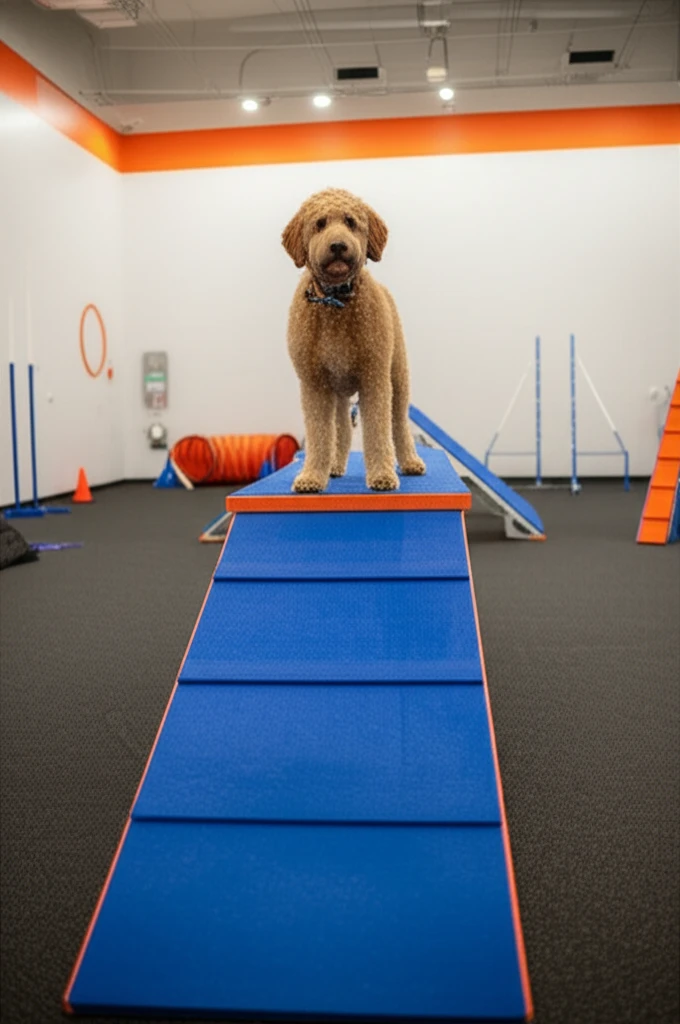
Two Parent Breeds, One Unpredictable Outcome
Labrador Retrievers are famously social, energetic, and food-motivated dogs who live to greet everyone and eat everything. Poodles are intelligent, athletic, and can be more reserved with strangers and more independent in their thinking. When you cross these two breeds, the resulting puppies can inherit any combination of these traits. Some Labradoodles are classic Labs in doodle clothing: mouthy, social, and obliviously enthusiastic. Others are more Poodle-like: sharp, sensitive, and selective about their affections. Many land somewhere in the middle.
This variability means that the training approach that worked perfectly for your friend's Labradoodle might not work for yours. The dog who is a confident social butterfly needs different handling than the dog who hangs back and observes. The dog who inhales treats and will do anything for food requires a different reward strategy than the dog who is more motivated by play or praise. Observe your specific Labradoodle, identify their motivations and sensitivities, and build your training plan around the individual.
What both parent breeds share is intelligence and energy. Every Labradoodle needs mental stimulation, physical exercise, and consistent structure. The specifics of how you deliver that structure — how much social exposure, how gentle the handling, how varied the rewards — depend on which parent's temperament is more present in your particular dog.
Impulse Control for the Lab-Brained Labradoodle
If your Labradoodle inherited the Labrador side of the cross, you are living with a dog who experiences every moment with full-body enthusiasm. They jump on guests because they are thrilled that someone exists. They counter-surf because food is the most important thing in the universe. They drag you toward every person and dog on the walk because the world is a non-stop social event. This is not naughtiness. This is Labrador brain chemistry expressing itself in a dog who may weigh 50 to 65 pounds.
Impulse control is the training priority for these Labradoodles. Teach your dog that calm behavior is the gateway to everything good. Sit before meals. Sit before the leash goes on. Sit before going through doorways. Wait for a release cue before taking a treat from your hand. Each of these micro-exercises builds the neural habit of pausing before acting, and that pause is what separates a manageable dog from a chaotic one.
For the Poodle-brained Labradoodle who is more independent and observant, impulse control training still matters but may look different. These dogs are less likely to bowl you over with enthusiasm and more likely to test boundaries deliberately — opening cabinets, figuring out how to reach things on counters, or choosing to ignore a cue because they have decided something else is more interesting. For these dogs, impulse control is about making cooperation consistently more rewarding than independence. Use high-value rewards, keep the training engaging, and make sure your Labradoodle always believes that checking in with you is worth their time.
Socialization: Essential for Every Labradoodle
Thorough early socialization is critical for Labradoodles because the social temperament of a cross is less predictable than a purebred's. A Labradoodle who inherits Poodle-side reserve needs extensive positive exposure to unfamiliar people, dogs, and environments to prevent that reserve from becoming wariness or reactivity. A Labradoodle who inherits Lab-side sociability still needs structured socialization to learn appropriate greeting behavior, because an under-socialized Lab-type dog does not become shy — they become an uncontrollable social tornado.
Start socialization early and keep it going. Expose your Labradoodle puppy to a wide variety of people, including men, women, children, people wearing hats, people with different body types and movement styles. Introduce different surfaces, sounds, and environments. Let your puppy set the pace. Reward calm, curious behavior generously. If your puppy shows hesitation, create positive associations from a comfortable distance rather than forcing the interaction.
Group training classes provide ongoing socialization in a controlled, predictable setting. Your Labradoodle practices being around unfamiliar dogs and people regularly, building a broader comfort zone over time. This is especially important during the first two years, when your dog's social framework is still forming. A Labradoodle who gets regular, positive social experiences during this period becomes a confident, adaptable adult regardless of which parent's social tendencies they inherited.
Leash Manners and the Daily Walk
Loose leash walking is a common challenge for Labradoodle owners. Both parent breeds contribute to the problem: Labs are forward-moving dogs who want to get to everything as fast as possible, and Poodles have the athletic stamina to sustain that pulling indefinitely. In a dog that can weigh 65 pounds or more, the daily walk becomes a battle of physics that the human usually loses.
Use a front-clip harness from the start. Reward your Labradoodle for walking beside you with treats and continued forward movement. When the leash goes tight, stop. Wait for your dog to look back at you or for the leash to go slack, then reward and continue. This stop-start method requires patience, but it teaches your Labradoodle that pulling does not work and that staying near you keeps the walk going.
The biggest obstacle to leash training is inconsistency. If pulling works sometimes — because you are running late, because it is raining, because a family member does not enforce the rule — your Labradoodle will keep pulling. The behavior only stops when it never produces the desired outcome. Get everyone in the household on the same page, use the same equipment and the same protocol, and accept that the first few weeks of consistent training will make walks slower before they make walks better.
Mental Engagement: The Key to a Calm Labradoodle
Both Labrador Retrievers and Poodles are working breeds with real intelligence, and your Labradoodle has inherited that cognitive capacity. A Labradoodle who gets plenty of physical exercise but no mental stimulation is a dog with a fit body and a bored brain, and bored smart dogs are creative in ways you will not appreciate. Counter surfing, destructive chewing, demand barking, and increasingly elaborate escape attempts are all symptoms of a mind that needs work.
Build mental engagement into your daily routine. Training sessions that introduce new skills, puzzle toys that require problem-solving, nose work games that tap into the retriever's scenting ability, and structured activities like agility or rally obedience all give your Labradoodle's brain the workout it needs. A fifteen-minute training session where your dog has to think hard will settle them more effectively than an hour of fetch.
At Zoom Room, our training programs provide the combination of physical activity, mental challenge, and social exposure that Labradoodles need. Our trainers adapt to your dog's individual temperament, and our group classes give your Labradoodle the regular socialization that builds confidence and good manners. Find a Zoom Room near you and give your Labradoodle the structure and engagement that brings out their best.
Frequently Asked Questions
Are Labradoodles easy to train?
Labradoodles are generally intelligent and responsive, which makes them quite trainable with the right approach. The ease depends on which parent breed's temperament dominates. A Lab-leaning Labradoodle tends to be food-motivated, eager to please, and forgiving of training mistakes. A Poodle-leaning Labradoodle may learn faster but can also be more sensitive and more independent. Positive reinforcement with clear, consistent expectations works well for both profiles. The most common training challenges are impulse control and leash pulling, both of which respond well to structured, reward-based methods.
How much exercise does a Labradoodle need?
Most adult Labradoodles need one to two hours of daily activity, combining physical exercise with mental stimulation. Both parent breeds are energetic and intelligent, so physical exercise alone will not produce a calm dog. Pair walks, fetch, or swimming with training sessions, puzzle toys, or nose work to engage your Labradoodle's brain alongside their body. The specific amount varies by individual — some Labradoodles are higher energy than others depending on the parent traits they inherited. Watch your dog's behavior at home: if they are restless, destructive, or demand-barking, they probably need more stimulation.
Do Labradoodles need professional training?
Professional training is strongly recommended for Labradoodles, not because they are difficult dogs but because the combination of intelligence, energy, and variable temperament benefits from expert guidance. A professional trainer can assess your specific Labradoodle's temperament and tailor the approach accordingly. Group classes also provide the structured socialization that every Labradoodle needs during their first two years. The investment in professional training during puppyhood and adolescence produces a calmer, better-socialized, more responsive adult dog.
Ready to Get Started?
Zoom Room's trainers work with the dog in front of them, not a breed template. Find a location near you and get started with a training approach tailored to your Labradoodle's specific temperament and needs.
Find a Zoom Room