
How to Train a Shiba Inu
If you wanted a dog who hangs on your every word and lives to please you, you picked the wrong breed. A Shiba Inu is a cat in a dog's body: independent, fastidious, opinionated, and utterly uninterested in doing something just because you asked. Training a Shiba means earning cooperation, not demanding it.
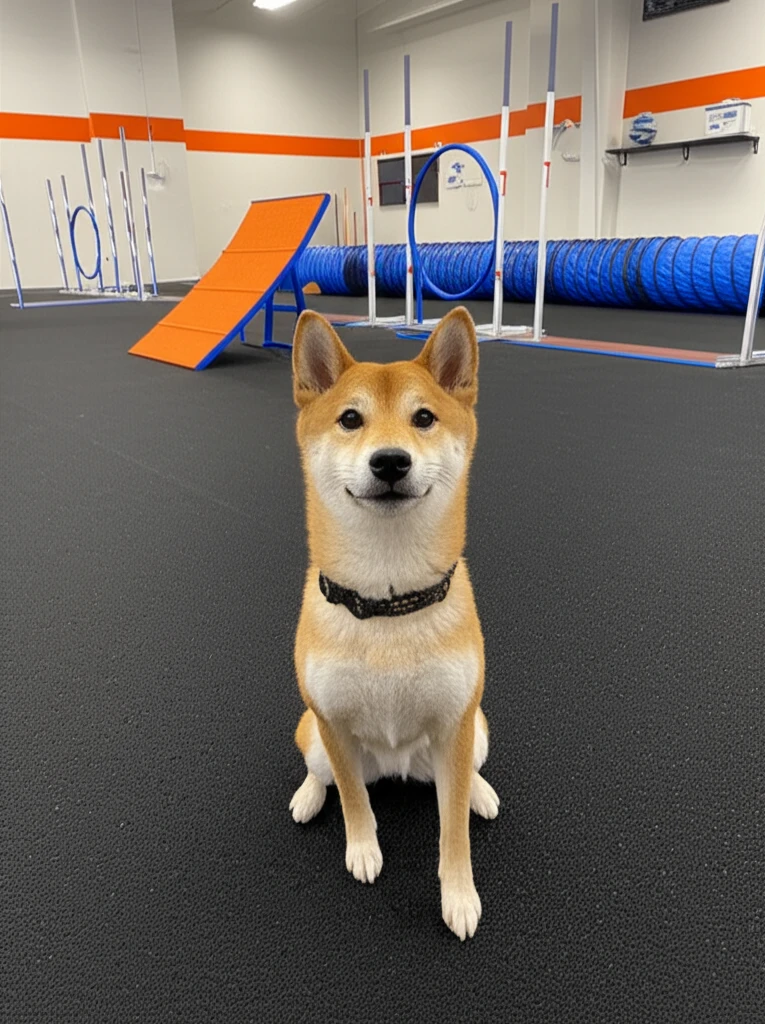
Understanding the Shiba Mindset
Shiba Inus are one of the oldest dog breeds, originally developed in Japan for hunting small game in dense underbrush. That work required a dog who could make independent decisions in thick cover where the hunter could not see them or direct them. Centuries of breeding for that kind of autonomy produced a dog who is fully capable of learning what you want and equally capable of deciding it is not worth their effort.
This is not defiance. It is hardwired independence. When your Shiba evaluates your cue, looks at you, and then does something entirely different, they are doing exactly what their genetics have shaped them to do: make their own assessment and act on it. Training a Shiba effectively means accepting this reality and adjusting your approach accordingly.
Positive reinforcement is the only training method that produces results with a Shiba Inu. Force-based methods do not create compliance in this breed. They create conflict, and a Shiba in conflict will either escalate dramatically or shut down entirely. Neither outcome is productive. With positive reinforcement, you are making a compelling case that your suggestion is the best available option. When the payoff is right, Shibas are surprisingly willing to cooperate. The key word is willing. You are always negotiating, never commanding.
The Shiba Scream and Vocal Management
If you have not yet heard the Shiba scream, you will. It is a high-pitched, blood-curdling vocalization that sounds like your dog is being harmed when in fact they are simply expressing displeasure about something as minor as a bath, a nail trim, or being asked to do something they would rather not do. The Shiba scream is a breed trait, not a sign of pain, and it is dramatic enough to make your neighbors call for a welfare check.
You cannot train the scream out of a Shiba. What you can do is reduce the triggers and build tolerance for situations that provoke it. Body handling practice is essential. Start in puppyhood, pairing every touch, every paw hold, every ear check with high-value rewards. Build positive associations with grooming, bathing, nail trims, and veterinary handling so these experiences are tolerable rather than theatrical. A Shiba who has been systematically desensitized to handling still may not enjoy a bath, but they are far less likely to produce the ear-splitting vocalization that makes your groomer question their career choices.
General vocalization management follows similar principles. Shibas are not excessive barkers in the way some breeds are, but they are vocal when they want something, when they are frustrated, or when something is not going their way. Acknowledge the communication, then redirect to a behavior you prefer. Reward quiet. Ignore demand vocalizations. A Shiba who learns that screaming does not produce results will eventually try a different approach, though their capacity for dramatic expression never fully disappears.
Socialization for a Naturally Aloof Breed
Shibas are naturally reserved with strangers and often selective about other dogs. This is breed temperament, not a socialization failure, but it becomes a significant problem if proper socialization does not happen during the critical window. An unsocialized Shiba can develop fear-based reactivity that makes everyday life, veterinary visits, walks in public, encounters with other dogs, stressful and difficult to manage.
Early socialization for a Shiba is not about making them love everyone. It is about building enough comfort with novelty that they can handle new situations without distress. Expose your Shiba puppy to a variety of people, dogs, environments, and experiences during the first 16 weeks. Let them observe from a safe distance before approaching. Never force an interaction. A Shiba who is pushed into a greeting they are not ready for will remember that experience, and the trust setback can take weeks to recover from.
After the socialization window, maintain regular social exposure. Shibas who lose their social skills during adolescence because their owners stopped providing opportunities will be harder to reintroduce to group settings later. Structured group training classes are valuable because they provide controlled social exposure where your Shiba can be near other dogs and people without forced interaction. Over time, many Shibas develop a calm tolerance that looks very different from a Labrador's enthusiasm but is perfectly functional.
Recall: The Shiba's Weakest Link
Recall with a Shiba Inu is a significant challenge, and honesty is important here. Most Shibas will never achieve the kind of reliable off-leash recall that some breeds develop. A Shiba who spots a squirrel, a bird, or simply an interesting path has the independent judgment to decide that investigating is a better option than coming back to you. That is not a training failure. It is the breed operating as designed.
Build recall in low-distraction environments with extremely high-value rewards. Practice recall as a game, never as a cue that ends something fun. Protect the value of your recall cue by never calling your Shiba to you for something they find unpleasant. Every successful recall should be followed by the best treat you have and, ideally, a release back to whatever they were doing. This teaches your Shiba that coming to you is an interruption worth making, not the end of their freedom.
In uncontrolled environments, manage the risk. A securely fenced yard is essential for off-leash time. On walks and hikes, a long line gives your Shiba room to explore while keeping them connected to you. Off-leash reliability in an unfenced area is not a responsible goal for most Shibas. Shibas are escape artists who can clear fences, slip harnesses, and find gaps in containment that you did not know existed. Inspect your fencing regularly, use a properly fitted harness rather than just a collar, and never assume your Shiba cannot get out.
Working With the Shiba, Not Against It
The Shiba owners who enjoy their dogs most are the ones who appreciate the independence rather than fighting it. Your Shiba's aloof, self-possessed temperament is part of what makes the breed distinctive. When a Shiba chooses to curl up next to you, it means something, because they had other options and chose you. When a Shiba cooperates in training, it is a genuine decision, not automatic compliance. That earned cooperation is deeply satisfying once you adjust to a breed that does not give it away for free.
Channel your Shiba's intelligence and independence into activities that engage their problem-solving abilities. Nose work gives them a task to solve independently while still working within a framework you create. Agility provides physical and mental stimulation in a format that many Shibas find genuinely interesting. Trick training appeals to their intelligence, especially when the tricks are novel and the rewards are high.
The breeds that are hardest to train often produce the most rewarding partnerships because the bond is built on mutual respect rather than automatic deference. A Shiba who trusts you and finds training worthwhile is a remarkable companion, alert, clean, independent enough to entertain themselves, and fiercely loyal in their own understated way. Find a Zoom Room near you and start building the kind of training relationship that a Shiba Inu will actually respect.
Frequently Asked Questions
Are Shiba Inus hard to train?
Shiba Inus are intelligent dogs who learn quickly but choose when to cooperate, which makes them challenging for owners who expect automatic compliance. The difficulty is not in the learning. It is in the motivation. Shibas require high-value rewards, short engaging sessions, and a training style that feels like a negotiation rather than a drill. Positive reinforcement is essential because force-based methods produce conflict, not cooperation, with this breed. If you adjust your expectations and approach, Shibas are capable, willing training partners.
Can Shiba Inus be off-leash?
Reliable off-leash behavior in uncontrolled environments is not realistic for most Shiba Inus. Their independent nature, prey drive, and escape artistry make off-leash freedom in unfenced areas a genuine safety risk. In securely fenced spaces where you have practiced recall extensively, many Shibas can enjoy off-leash time. On walks and hikes, a long line provides freedom with safety. Inspect your fencing regularly, because Shibas are creative escape artists who find ways out that other breeds would never attempt.
What is the Shiba scream?
The Shiba scream is a distinctive, high-pitched vocalization that Shibas produce when they are displeased, excited, or objecting to something like a bath or nail trim. It sounds alarming but is not a sign of pain. It is a breed-specific form of expression. You cannot eliminate it entirely, but you can reduce triggers through systematic desensitization, particularly with body handling and grooming. Start handling practice early, pair every touch with rewards, and build tolerance gradually. A Shiba who is comfortable with handling will scream less, though their capacity for dramatic vocal expression never fully disappears.
Ready to Get Started?
Zoom Room's structured training environment gives your Shiba Inu the socialization and mental challenge this independent breed needs, without the pressure that makes them shut down. Find a location near you.
Find a Zoom Room