
How to Train a Shih Tzu
Shih Tzus are one of the most commonly undertrained breeds — not because they can't learn, but because their owners don't think they need to. A small dog that can be scooped up and carried past every problem never learns to solve anything on their own.
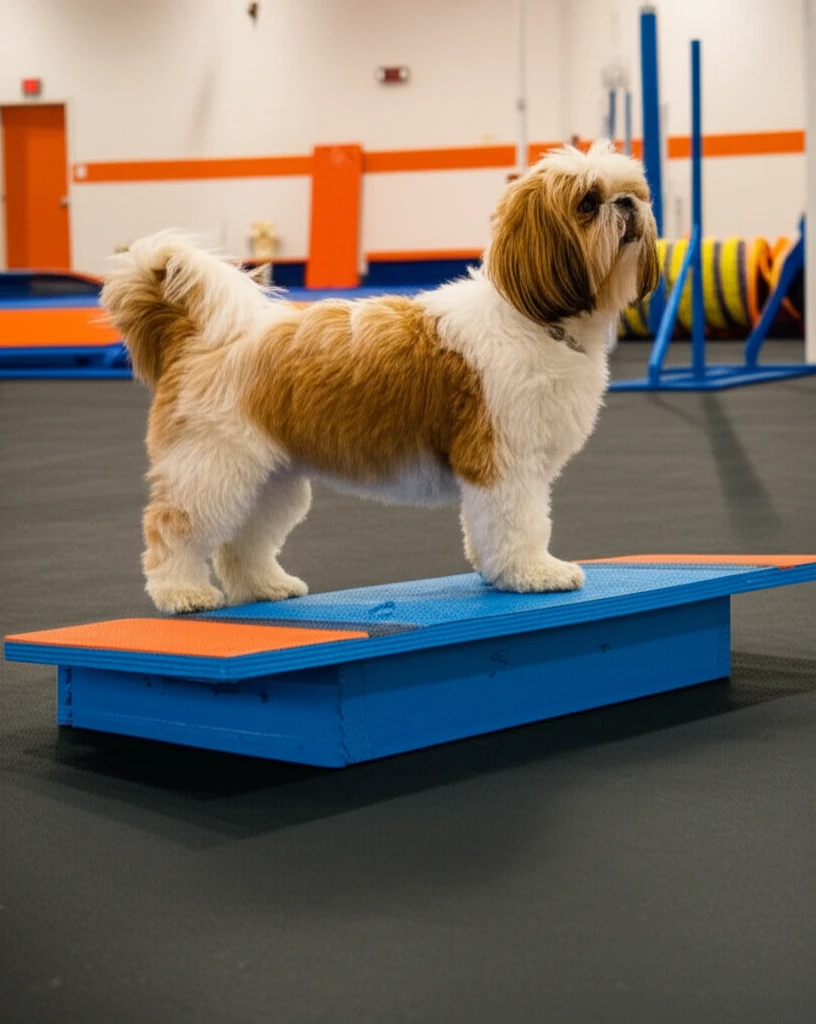
Small Dog, Same Training Needs
The biggest obstacle to training a Shih Tzu isn't the dog — it's the assumption that small dogs don't really need training. They're small enough to pick up when they misbehave. They can't knock you over. Their barking is quieter than a big dog's. So owners skip obedience classes, don't bother with leash manners, and carry the dog past every trigger instead of teaching them to cope.
The result is a dog who has no idea how to navigate the world without being rescued. That creates anxiety, which shows up as barking, snapping at strangers, trembling in new environments, or clinging to their owner and refusing to engage with anything unfamiliar. These aren't personality traits — they're the predictable result of a dog who never learned the skills they needed.
Your Shih Tzu deserves the same training foundation as a German Shepherd or a Labrador. Basic cues, socialization, leash skills, and house manners aren't extras for small dogs — they're the foundation of a confident, well-adjusted companion. The good news is that Shih Tzus are smart, food-motivated, and genuinely enjoy spending time with their people. Once you commit to the training, they pick it up.
The Potty Training Challenge
House training a Shih Tzu is notoriously difficult, and there are real reasons for it. Small breeds have small bladders, which means less time between needing to go. Shih Tzus are also more sensitive to weather — many will refuse to go outside in rain, cold, or strong wind, which creates a standoff that ends with an accident indoors. And because they're small, they can sneak behind furniture and eliminate without you noticing, which means the behavior self-reinforces before you even know it happened.
The solution is management, consistency, and realistic expectations. Use a crate or a confined area (playpen with a potty spot) whenever you can't directly supervise. Take your Shih Tzu out after every meal, every nap, every play session, and every time they've been in the crate for more than an hour. When they go in the right spot, reward immediately with a treat and genuine enthusiasm. When they go in the wrong spot, clean it with an enzymatic cleaner and move on — there's nothing to correct after the fact.
For Shih Tzu owners in apartments or areas with weather extremes, indoor potty options are completely reasonable. Pads, artificial grass patches, or litter boxes designed for small dogs can be the primary setup. There's no rule that says every dog must go outside. A reliable indoor system is far better than an inconsistent outdoor routine that your Shih Tzu resists every time it drizzles.
The Independent Streak
Shih Tzus were bred as companion dogs for Chinese royalty, and that heritage shows in a personality that is affectionate but decidedly self-directed. Your Shih Tzu loves you, but they were never bred to take orders. They were bred to be pleasant company — and pleasant company does what it wants most of the time.
This means training sessions need to feel like your Shih Tzu's idea. Keep sessions short — five to eight minutes is plenty. Use high-value treats (not just kibble — think small pieces of cheese, chicken, or freeze-dried liver). End every session on a success, even if that means asking for an easy cue just so you can reward them. If your Shih Tzu walks away mid-session, let them go. Forcing a Shih Tzu to engage when they've checked out doesn't teach them anything except that training is unpleasant.
Variety helps enormously. Shih Tzus get bored with repetition faster than many breeds. Rotate between different cues, mix in short games, and use different training locations around your home. A Shih Tzu who thinks training is a fun, unpredictable game will stay engaged far longer than one who's drilling the same sit-stay they mastered two weeks ago.
Socialization and Barking
Shih Tzus who aren't socialized early and often tend to develop two related problems: they become anxious in new situations, and they bark to cope with that anxiety. Barking in Shih Tzus is almost always rooted in discomfort — they're alerting to something unfamiliar, or they're demanding that the unfamiliar thing go away.
The prevention is straightforward: expose your Shih Tzu to a wide range of people, dogs, environments, and experiences while they're young, and make every exposure positive. Let them observe from a safe distance, reward calm curiosity, and never force them into an interaction that makes them uncomfortable. A structured socialization program is ideal for Shih Tzus because it provides controlled exposure without the overwhelming chaos of a dog park.
For Shih Tzus who already bark excessively, the approach is to address the underlying anxiety rather than trying to suppress the barking itself. Identify what triggers the barking — strangers at the door, unfamiliar dogs on walks, noises outside — and build positive associations with those triggers through gradual desensitization. Reward quiet moments generously. And resist the urge to pick your Shih Tzu up when they bark — that teaches them that barking makes you provide a rescue, which guarantees more barking.
Small-breed socialization classes, like those at Zoom Room, give your Shih Tzu the chance to interact with other dogs in a supervised setting. Over time, your Shih Tzu learns that new dogs and new people are part of life, not a reason to sound the alarm. The Yorkshire Terrier training guide covers similar small-breed socialization principles if you want more detail on building confidence in a small dog.
Structure Builds Confidence
The best thing you can do for your Shih Tzu is give them a consistent routine and clear expectations. Dogs thrive on predictability, and Shih Tzus — who can be prone to anxiety when they don't know what's coming — benefit enormously from structure. Regular meal times, consistent potty schedules, predictable walk routes, and the same household rules applied every day create a sense of security that makes everything else easier.
Crate training is part of this structure. A properly introduced crate isn't a punishment — it's a safe, predictable space where your Shih Tzu can rest without worrying about what's happening in the rest of the house. Many Shih Tzus come to love their crate because it gives them a clear boundary: in here, nothing is expected of you. That's genuinely relaxing for a small dog in a big, unpredictable world.
Investing in real training — not just house manners, but structured classes that challenge your Shih Tzu's mind — changes the trajectory of your life together. A Shih Tzu who has been through a training program walks more calmly, copes better with new situations, and barks less because they have the skills and confidence to handle what comes their way. Small dogs deserve big training, and the payoff is a companion who is genuinely happy, not just tolerated.
Frequently Asked Questions
Are Shih Tzus hard to potty train?
Shih Tzus are among the more challenging breeds for house training, yes. Their small bladders mean more frequent potty breaks, and many Shih Tzus are sensitive to weather and will resist going outside in rain or cold. The keys are consistency, management, and patience. Use a crate or confined space when you can't supervise, take them out frequently, reward immediately when they go in the right place, and consider an indoor potty option if outdoor access is unreliable. Most Shih Tzus get there — it just takes longer than with larger breeds.
How do I stop my Shih Tzu from barking at everything?
First, figure out what's triggering the barking. Shih Tzu barking is almost always rooted in anxiety or alert behavior — they're responding to something that makes them uncomfortable or uncertain. Address the root cause through gradual desensitization: expose your dog to the trigger at a distance where they notice it but don't react, and reward calm behavior. Build up slowly. Avoid picking your Shih Tzu up when they bark, as that teaches them barking earns a rescue. A structured training class helps build the overall confidence that reduces anxiety-driven barking.
Do Shih Tzus really need training classes?
Absolutely. The idea that small dogs don't need formal training is one of the most common mistakes small-breed owners make. Shih Tzus benefit from classes not just for the obedience skills but for the socialization. A Shih Tzu who regularly interacts with other dogs and people in a structured environment develops confidence and coping skills that prevent barking, anxiety, and fearfulness. Group classes teach your dog to focus around distractions, walk on a leash politely, and handle new situations calmly — all skills that make daily life better for both of you.
Ready to Get Started?
Zoom Room offers group training classes designed for every breed and size — including Shih Tzus who've never been to a class before. Find a location near you and give your Shih Tzu the training foundation they deserve.
Find a Zoom Room