
How to Train a Weimaraner
The Weimaraner combines two traits that, together, create the breed's defining challenge: extreme energy and extreme attachment to their person. Independently, either trait is manageable. Combined, they produce a dog who can destroy a crate, a door frame, and your neighbor's patience in a single afternoon when left alone.
Separation Anxiety Is the Defining Challenge
Weimaraners are one of the breeds most frequently associated with separation anxiety, and the reason is baked into their genetics. They were developed as all-purpose German hunting dogs who worked in constant physical contact with their handler. Unlike pointer breeds that range far ahead, Weimaraners were bred to stay close. That proximity wasn't just practical; it became an emotional requirement written into the breed's temperament.
The result is a dog who experiences genuine distress when separated from their person. This is not boredom. This is not spite. It's a physiological stress response: elevated cortisol, elevated heart rate, panic. A Weimaraner in the grip of separation anxiety may howl nonstop, destroy furniture, chew through drywall, bend crate bars, break out windows, and injure themselves in escape attempts. The intensity of the response is what distinguishes Weimaraner separation anxiety from general restlessness in other breeds.
If you have a Weimaraner puppy, start independence training immediately. Do not wait until you see a problem, because by then the anxiety pattern is already established and much harder to reverse. If your adult Weimaraner is already showing separation distress, work with a professional trainer and, if the anxiety is severe, consult your veterinarian about whether medication might help support the behavior modification process.
Building Independence Before You Need It
Independence training for a Weimaraner is the opposite of what the breed wants. They want to be on you, next to you, watching you at all times. Training them to tolerate separation means systematically building a skill they have no natural aptitude for, and doing it gradually enough that you never push past their emotional threshold.
Crate training done correctly gives your Weimaraner a safe space where good things happen. Feed every meal in the crate. Offer high-value chews and frozen stuffed Kongs only in the crate. Let your Weimaraner discover that the crate is where the best resources appear. Build duration in tiny increments: close the door for five seconds while you stand right there, then ten seconds, then thirty, then with you stepping away. At no point should your Weimaraner show signs of distress. If they do, you've moved too fast.
Practice brief absences throughout the day, every day. Step outside for ten seconds. Come back. No fanfare. Step outside for twenty seconds. Come back. Repeat dozens of times. The message is: departures predict returns, and nothing bad happens in between. Pair your departures with a high-value enrichment item so your Weimaraner has something to focus on other than your absence.
The most common mistake Weimaraner owners make is spending every moment with their new puppy during the first few weeks, then suddenly leaving for a full workday. That abrupt transition is exactly what triggers a separation anxiety spiral. Start practicing alone time on day one, even if you're home all day.
Energy Management: Both Kinds
Weimaraners are powerful, athletic dogs who need serious physical exercise. A brief walk around the block is barely a warm-up. But the training challenge with this breed isn't just about physical energy. It's about emotional energy. A Weimaraner who is physically tired but emotionally unsettled will still pace, whine, follow you room to room, and struggle to rest. You need to address both.
Physical exercise should involve sustained activity: long runs, hikes, swimming, retrieving games that cover real distance. Weimaraners were built for endurance, and they need an outlet that matches their capacity. But pair that physical work with mental challenges. Training sessions that introduce new skills. Nose work that channels their hunting instincts into focused, calming activity. Puzzle feeders that require problem-solving. Recall games in safe, enclosed areas that combine physical movement with obedience practice.
The mental component is what produces genuine relaxation. A Weimaraner whose brain has worked hard will actually settle. A Weimaraner who only ran hard will recover physically and still be emotionally restless. The magic formula for this breed is physical exercise plus mental engagement plus settling practice. Skip any one of those three, and you'll have gaps in your Weimaraner's ability to be calm.
Destructive Behavior Means Something
If your Weimaraner is destroying things, they are communicating. This is not defiance, boredom, or revenge. In most cases with Weimaraners, destruction is a direct symptom of anxiety, insufficient exercise, or both. Understanding which one you're dealing with determines your approach.
Destruction that happens exclusively when you're gone points to separation anxiety. The chewing, scratching, and digging are attempts to escape or self-soothe during a panic response. The solution is not more exercise before you leave, although that helps. The solution is the systematic independence training described above, combined with environmental management: providing safe, durable enrichment items, ensuring your Weimaraner's confinement area is secure without being punitive, and building alone-time tolerance through gradual desensitization.
Destruction that happens when you're home points to unmet physical or mental needs. A Weimaraner who shreds the couch cushion while you're sitting three feet away is a dog who needs more to do. Increase their daily mental stimulation. Add training sessions. Provide appropriate chew outlets. Rotate enrichment toys so they stay novel. Make sure your Weimaraner's exercise routine actually matches the breed's needs, not the owner's schedule.
In either case, punishment after the fact does nothing productive. Your Weimaraner cannot connect a correction delivered when you get home to destruction that happened hours ago. Punishment in this context only adds to the anxiety that's likely driving the behavior in the first place.
Training a Weimaraner Who Wants to Please
The upside of the Weimaraner's intense attachment is that they are highly motivated to work with you. When the relationship is strong and the training approach is fair, Weimaraners are responsive, enthusiastic, and genuinely engaged training partners. They learn quickly, they care about your reaction, and they bring real energy to every session.
Use that motivation wisely. Weimaraners respond best to clear, consistent, reward-based training. They're sensitive enough that harsh corrections damage the relationship and can create avoidance behaviors. A Weimaraner who gets corrected for coming when called won't come when called next time. A Weimaraner who gets corrected for jumping will still jump but will also become anxious about greetings. Positive reinforcement gives you a dog who tries harder because the partnership is rewarding, not a dog who does less because they're afraid of making mistakes.
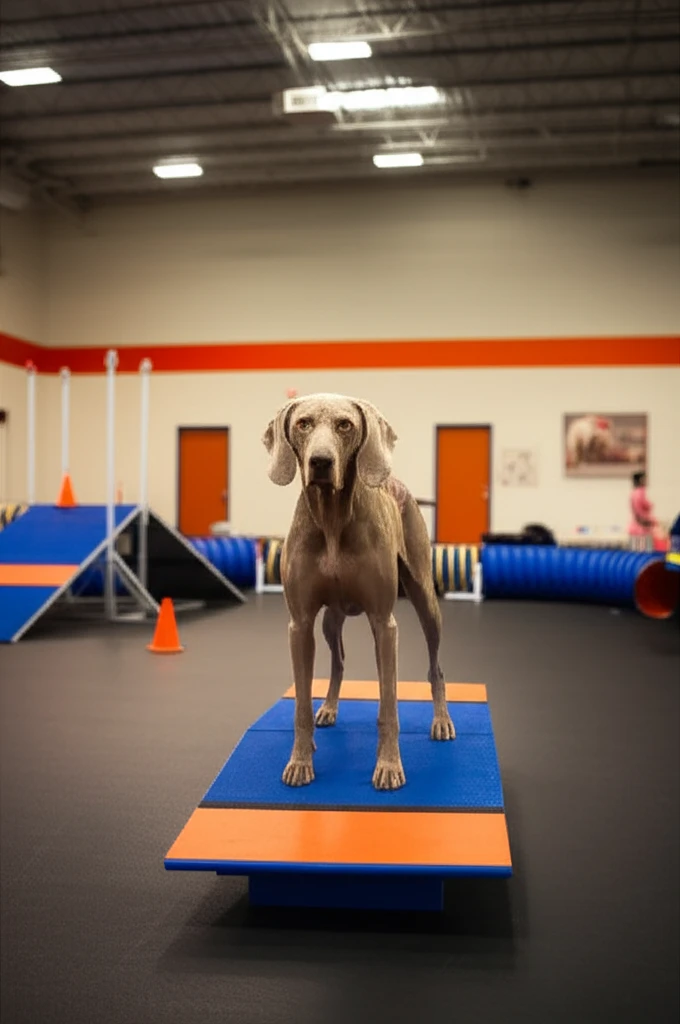
Group socialization classes are valuable for Weimaraners on multiple levels. They provide mental stimulation, practice being in an exciting environment without losing control, and the social contact this breed thrives on. Weimaraners who attend regular group classes tend to be better adjusted overall because the classes meet so many of their needs simultaneously. Find a Zoom Room near you to start training with a breed who will give you everything they've got once you've given them what they need.
Frequently Asked Questions
How do I prevent separation anxiety in my Weimaraner?
Start independence training from day one, even if your puppy seems fine being alone. Practice brief separations multiple times daily, gradually increasing duration. Never go past the point where your Weimaraner shows distress. Build positive associations with alone time by providing high-value enrichment items only during separations. Crate train properly so your Weimaraner has a safe, comforting space. Avoid the common mistake of spending every moment with your new puppy and then suddenly leaving for extended periods. That abrupt transition is the most reliable trigger for separation anxiety in this breed.
How much exercise does a Weimaraner need?
An adult Weimaraner needs one to two hours of vigorous daily exercise, but physical activity alone won't fully settle this breed. You need to combine sustained physical exercise like running, swimming, or long hikes with dedicated mental stimulation such as training sessions, nose work, and puzzle enrichment. The mental component is what produces genuine calm. A Weimaraner who only gets physical exercise will recover quickly and remain emotionally restless. Aim for a daily routine that includes both physical and mental work plus deliberate settling practice.
Are Weimaraners good for first-time dog owners?
Weimaraners are a challenging breed for first-time owners due to their high exercise needs, susceptibility to separation anxiety, and the intensity of their attachment. That said, a first-time owner who is genuinely active, committed to ongoing training, and realistic about the time investment can succeed with this breed. The non-negotiable is that you cannot leave a Weimaraner's needs unmet and expect good behavior. If you're prepared to provide daily exercise, mental stimulation, independence training, and regular structured activities, a Weimaraner will reward that investment with an exceptionally devoted partnership.
Ready to Get Started?
Zoom Room's structured training programs provide the mental stimulation, socialization, and professional guidance your Weimaraner needs. Train alongside your dog in a controlled indoor environment designed for high-energy breeds.
Find a Zoom Room