
How to Train a West Highland White Terrier
Your Westie barks at the mailman, digs in the garden, and chases every squirrel with the conviction of a dog three times their size. None of that is misbehavior. It is a terrier doing exactly what terriers were designed to do. Training a Westie means channeling those instincts, not suppressing them.
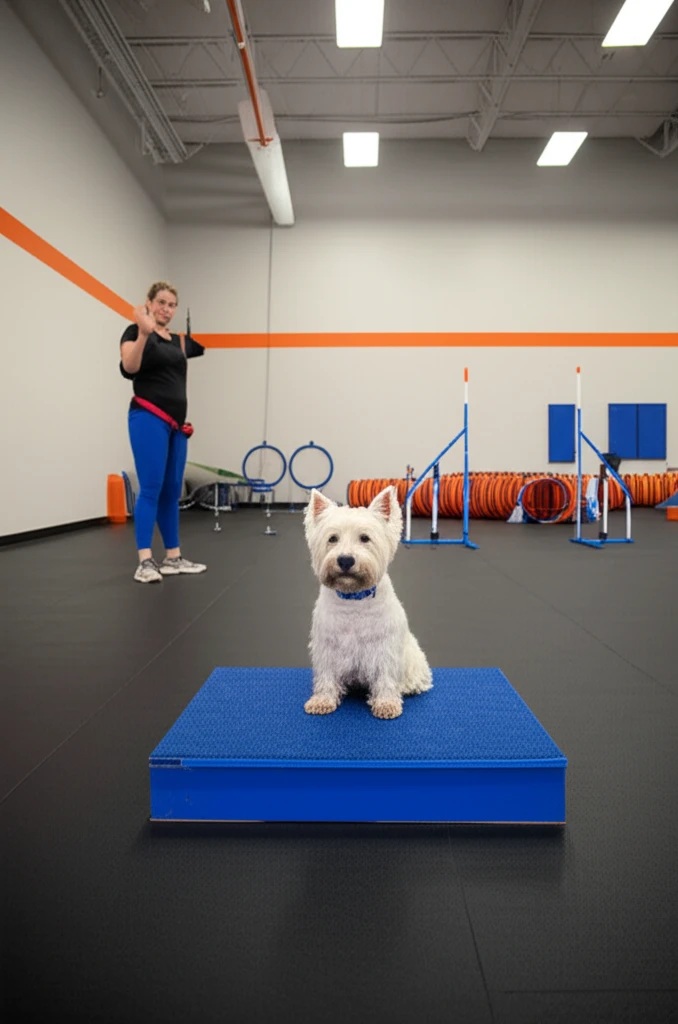
Terrier Tenacity: Your Westie's Greatest Strength and Biggest Challenge
West Highland White Terriers were bred to hunt rats and other vermin in the rocky terrain of Scotland. That job demanded a dog who was brave, persistent, independent, and willing to go into dark holes after animals with sharp teeth. The tenacity that made them excellent working terriers is the same quality that makes your Westie dig up your flower bed, bark at shadows, and refuse to drop a toy until they are good and ready.
Understanding this history changes how you approach training. When your Westie ignores a cue in favor of chasing a squirrel, they are not being bad. They are experiencing a hardwired prey drive that overrides almost everything else in that moment. When they bark at every sound, they are performing the alert function that was essential in their working history. When they dig, they are doing what terrier legs and terrier brains were built to do.
The most effective training strategy for a Westie is not to fight these instincts but to give them appropriate outlets. A Westie with no legal place to dig will dig in your garden. A Westie with no acceptable target for their prey drive will chase your cat. A Westie whose alert barking is never acknowledged will bark louder and longer. Provide the outlets, channel the instincts, and you will have a remarkably fun, capable training partner. Fight the instincts, and you will both be miserable.
Barking: A Feature, Not a Bug
Westies bark. They bark at the doorbell, at passing dogs, at suspicious leaves, at sounds only they can hear, and sometimes apparently at nothing at all. This is alert behavior from a breed that takes perimeter security very seriously, and treating it as simple misbehavior misses the point entirely.
The goal is not to eliminate barking. A silent Westie is like a retriever who will not fetch: possible but working against the breed's core programming. Instead, teach a management protocol. When your Westie alerts, acknowledge the bark calmly: thank you. Then redirect to an alternative behavior, like going to a mat or performing a nose touch to your hand. You are communicating that their alert was received, you have taken over the situation, and now it is time to settle. This works because it respects the instinct while giving you a tool to end the vocalization.
For persistent barking challenges, look at what is driving the behavior beyond simple alerting. Boredom-barking is common in Westies who are understimulated. Frustration-barking happens when a Westie can see a trigger but cannot reach it. Demand-barking develops when vocalization has been inadvertently rewarded with attention. Each type requires a different approach, but the underlying principle is the same: address the motivation, not just the noise. Yelling at a barking Westie is particularly counterproductive, because in your dog's mind, you are just joining in.
Digging: Give Them a Legal Outlet
Westies dig because digging is deeply satisfying for a terrier brain. The physical act of scraping dirt, the smell of the earth underneath, the possibility that something interesting is buried down there: all of it triggers a reward response that no amount of scolding will override. Punishing a Westie for digging is like punishing a fish for swimming. The behavior is too deeply wired to be trained away. It can only be redirected.
Create a designated digging area. A sandbox, a specific corner of the yard, or a digging pit filled with loose soil gives your Westie a legal target. Bury treats or toys in the designated area to make it the most rewarding digging spot available. When your Westie digs in the right place, praise and reward them. When they dig in the wrong place, calmly redirect them to the designated spot. Over time, the legal spot becomes the preferred spot because that is where the payoff lives.
If you do not have outdoor space for a digging pit, indoor enrichment activities can partially satisfy the digging urge. Snuffle mats, where treats are hidden in fabric folds that your Westie roots through, tap into a similar foraging behavior. Digging boxes filled with blankets and hidden toys provide a scratchable, rootable surface. These are not perfect substitutes for actual earth, but they give a Westie something to work with, which is always better than leaving them to invent their own entertainment.
Confidence That Needs Direction
Westies are confident dogs. They carry themselves with a self-assurance that belies their size, and that confidence is generally a training asset. A confident dog is less likely to develop fear-based behaviors, less likely to be overwhelmed by new environments, and more willing to engage with training challenges. Your Westie's natural boldness is something to build on, not something to temper.
Where confidence becomes a challenge is when it crosses into pushiness. A Westie who learns that barking, pawing, or staring gets them what they want becomes a dog who runs the household through sheer persistence. Impulse control training channels that confidence into patience. Teach your Westie that sitting calmly produces treats faster than barking. Teach them that waiting at the door gets them outside faster than charging through. Every time your Westie's confidence is paired with self-regulation, you are building a dog who is both bold and mannered.
Socialization for Westies is typically about refining social skills rather than overcoming fear. Most Westies approach new people and dogs with enthusiasm, but their terrier intensity can overwhelm more sensitive dogs. Structured social exposure teaches your Westie to moderate their energy and read other dogs' body language. A Westie who can adjust their approach based on the other dog's comfort level is a socially skilled dog, and social skills are built through guided experience, not unstructured dog park free-for-alls.
Training Activities That Match the Terrier Brain
Westies are smart, active dogs who get bored with repetitive training drills. If your training sessions feel like a chore to your Westie, the sessions will not produce results. This breed needs variety, challenge, and the sense that training is a game worth winning.
Scent work is an excellent activity for Westies because it taps into their natural hunting instincts in a structured way. Searching for hidden odors engages the same drive that makes them root through bushes looking for critters, but in a format that you control and that you can reward. Many Westies take to nose work immediately, and the confidence boost from successful searches transfers to other areas of training.
Agility is another strong fit. Westies are athletic, quick, and enjoy the physical challenge of navigating obstacles. The teamwork aspect of agility, where you direct your dog through a course, builds communication between you and your Westie in a way that standard obedience work often does not. Plus, a tired Westie is a well-behaved Westie, and agility provides both physical and mental exhaustion in a single session.
At Zoom Room, our training programs are designed to keep terrier brains engaged with variety and challenge. From scent work to agility to structured socialization, we offer the kind of dynamic training environment where Westies thrive. Find a Zoom Room near you and start channeling all that terrier energy into something productive.
Frequently Asked Questions
Are West Highland White Terriers hard to train?
Westies are intelligent and capable learners, but they have the independent streak common to all terrier breeds. They respond best to short, varied, and engaging training sessions with high-value rewards. Repetitive drills bore them, and bored Westies check out. The key is making training feel like a game rather than a demand. Positive reinforcement works well because Westies are motivated by rewards and social engagement. Adjust your expectations for a terrier personality, keep sessions interesting, and you will find Westies are enthusiastic and willing training partners.
How do I stop my Westie from barking at everything?
You will not stop a Westie from barking entirely, because alert barking is a deep breed instinct. What you can do is teach a management protocol: acknowledge the bark, then redirect to an alternative behavior like settling on a mat. Reward the quiet redirect generously. Address the underlying motivation when possible. Boredom-barking needs more mental stimulation. Demand-barking needs to be ignored rather than rewarded with attention. Frustration-barking needs environmental management. Consistency from every household member is essential, because if barking still works sometimes, your Westie will keep doing it.
Do West Highland White Terriers get along with other dogs?
Most Westies are social and enjoy other dogs, though their terrier intensity can be too much for some dogs. They play with a boldness that does not always match their size, and some Westies can be pushy with dogs who prefer calmer interactions. Early socialization teaches your Westie to read other dogs and moderate their energy. Structured group classes are better than unstructured dog parks for building these skills, because a trainer can guide the interactions and redirect before intensity escalates into conflict.
Ready to Get Started?
Zoom Room's varied training programs are built for breeds like the Westie who need variety, challenge, and structure. Find a location near you and put all that terrier tenacity to work.
Find a Zoom Room