
How to Choose a Dog Sitter: Boarding vs. In-Home Sitting
You have a trip coming up and your dog cannot come. The question is not just who watches your dog, but which type of care is the right fit. Boarding facilities and in-home sitters offer fundamentally different experiences, and the best choice depends on your dog's temperament, training, and specific needs.
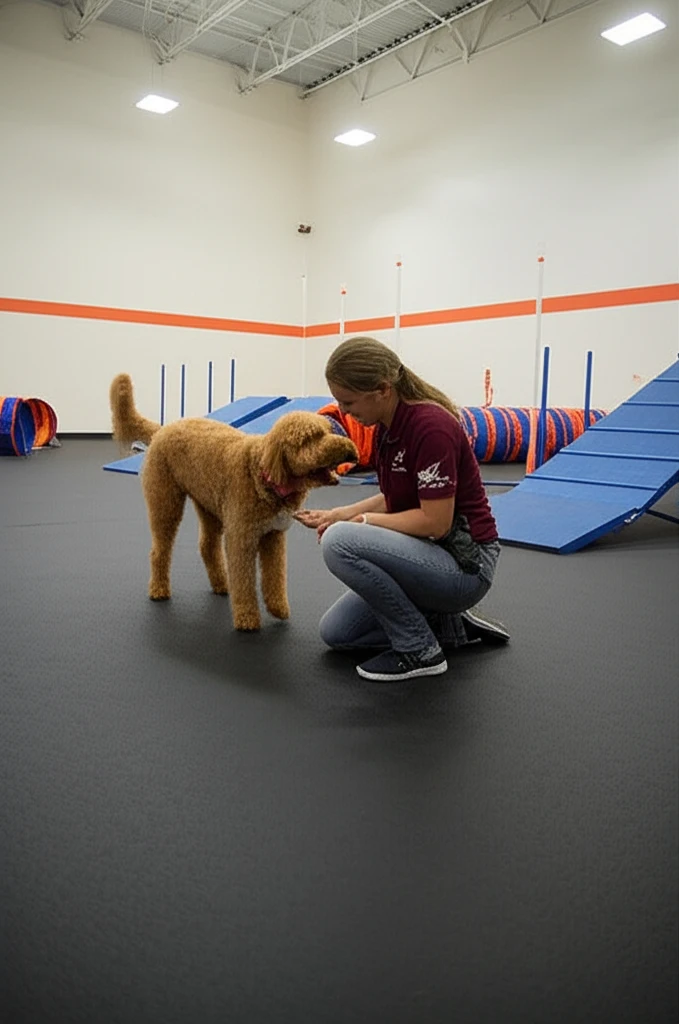
Boarding vs. In-Home Sitting: Which Is Right for Your Dog
Boarding facilities keep your dog at a dedicated location with staff, structured routines, and often other dogs around. The advantages are supervision during business hours, established protocols for feeding and medication, and a purpose-built space. The disadvantages are that your dog is in an unfamiliar environment with unfamiliar people, surrounded by the sounds and smells of other stressed dogs. For confident, well-socialized dogs, boarding can be perfectly fine. For dogs who are anxious, noise-sensitive, or uncomfortable around unfamiliar dogs, a boarding kennel can be genuinely distressing.
In-home sitting means someone stays at your house with your dog, or your dog stays at the sitter's home. The advantage is continuity. Your dog sleeps in their own bed, follows their normal routine, and does not have to adjust to a new environment on top of your absence. For dogs with separation anxiety, the familiarity of home can make a meaningful difference. The disadvantage is less structural oversight. You are relying on one person's judgment, schedule, and attention rather than a staffed facility with protocols.
A third option is having your dog stay at the sitter's home. This works well when the sitter has a dog-friendly home, a compatible resident dog, and experience managing another dog in their space. It combines the personal attention of in-home sitting with a change of scenery that some dogs enjoy. The key variable is the sitter's home environment: fenced yard, other pets, children, household noise levels, and how much time the sitter actually spends at home during the day.
Red Flags in Both Options
For boarding facilities, the red flags mirror what you would look for in a daycare. No temperament screening means every dog is thrown in together regardless of compatibility. No tour of the facility means they do not want you to see the conditions. Overcrowded runs, stressed dogs pacing or barking nonstop, and staff who seem overwhelmed are all signs to walk away. Ask about their protocol if a dog gets sick or injured. Ask what happens after business hours. Some facilities have overnight staff; others leave dogs unattended from closing time until morning. That is a long stretch for a dog in distress.
For in-home sitters, the biggest red flag is a lack of structure. A sitter who says they will just hang out with your dog is not offering a service. They are offering company, which is not the same thing. Your dog needs someone who will maintain their feeding schedule, exercise routine, medication timing, and house rules. A sitter who lets your dog on the couch, skips walks because it is raining, or feeds them table scraps is not doing you a favor.
On either side, be cautious of anyone who takes on too many dogs at once. A sitter watching five dogs from five different households in their own home is running an unlicensed boarding facility. Ask how many dogs the sitter cares for at a time. One to two outside dogs, on top of their own, is reasonable. More than that stretches attention thin and increases the risk of conflict, escape, or missed medications.
Verify references. Talk to people who have used the sitter or facility for overnight stays specifically, not just daycare or drop-ins. Overnight care is a different level of responsibility, and how someone handles a dog at three in the morning when something goes wrong tells you more than how they handle a Tuesday afternoon.
How Training Makes Sitting Smoother
The dogs who have the easiest time with sitters and boarding are the dogs who have built specific life skills through training. Crate training is at the top of that list. A dog who is comfortable in a crate has a portable safe space that works in any environment. Whether they are at a boarding facility, a sitter's home, or their own house with a stranger, the crate is a consistent, familiar anchor. It also gives the caretaker a management tool for mealtimes, quiet time, and those moments when they need your dog to be safely contained while they step out briefly.
Independence skills matter just as much. A dog who can settle on a mat, entertain themselves with a chew, and tolerate being in a different room from their person is going to handle your absence far better than a dog who shadows you from room to room and panics the moment you leave their sight. If your dog has separation anxiety, address it before your trip, not by booking a sitter and hoping for the best. A sitter cannot fix separation distress. They can only manage it, and if they are not prepared, it turns into a crisis for everyone.
Dogs who have been through group training classes also handle transitions better because they have practiced adapting to new environments, new people, and new expectations. They have learned that unfamiliar settings can be safe and even rewarding. That flexibility is exactly what your dog needs when their routine changes and their person disappears for a week.
If your dog is fearful around strangers, introduce the sitter well before your trip. Have them visit your home several times, walk your dog, and feed a meal. Build a positive association so that when you leave, the sitter is not a stranger but someone your dog already trusts.
Trial Overnights and Emergency Protocols
Never make your first time away a ten-day trip. Start with a trial overnight, or even a trial afternoon, where the sitter or boarding facility cares for your dog while you are available if something goes wrong. This gives you real data. Does your dog eat? Do they settle overnight? Do they show signs of distress? Does the sitter communicate proactively, or do you have to chase them for updates?
A trial also gives the sitter a chance to learn your dog's actual routine, not just the one you wrote down. Every dog has quirks that are hard to explain on paper. The trial visit reveals them: the specific sequence of events at bedtime, the fact that your dog needs to sniff every corner of the yard before they will go to the bathroom, the toy they cannot sleep without.
Emergency protocols should be established before you leave. Leave your veterinarian's contact information, the nearest emergency animal hospital address and phone number, and a signed authorization for emergency treatment with a spending limit you are comfortable with. Discuss with the sitter ahead of time what qualifies as an emergency versus a wait-and-see situation. Vomiting once after eating grass is not an emergency. Repeated vomiting, lethargy, difficulty breathing, or a bloated abdomen is. Your sitter needs to know the difference and feel empowered to act.
Leave a written copy of your dog's daily schedule, feeding instructions, medication details, and behavioral notes. Include your dog's recall cue, any cues that help them settle, and what to do if they get loose. This is not about micromanaging. It is about giving your sitter the tools to succeed so your dog stays safe and you can actually enjoy your trip.
Questions to Ask Before You Book
Whether you are evaluating a boarding facility or an in-home sitter, these questions help you separate the professionals from the amateurs.
What is your experience with dogs like mine? Be specific. If your dog is anxious, reactive, elderly, or on medication, you need someone who has handled that before, not someone who is willing to try.
How many dogs will you be caring for during my trip? For in-home sitters, the answer should be low. For boarding, ask about the total capacity and how many staff members are on duty at any given time.
What does a typical day look like for dogs in your care? You want details: walk times, feeding schedule, play sessions, rest periods. A vague answer means there is no structure.
What happens overnight? Boarding facilities should have overnight staff or at minimum a monitoring system with clear escalation protocols. In-home sitters should be sleeping in the same area as your dog, not leaving them alone in an unfamiliar room.
How do you handle emergencies? Look for a specific plan, not reassurance. The answer should include a veterinary contact, transportation, and decision-making authority.
Can I do a trial overnight before my trip? If the answer is no, ask why. A trial benefits everyone and should be encouraged, not dismissed.
How will you communicate with me during my trip? Daily photo updates and a prompt response to your messages should be baseline expectations, not extras.
Frequently Asked Questions
Should I board my dog or use a pet sitter?
It depends on your dog. Confident, well-socialized dogs who enjoy novelty and other dogs often do well in quality boarding facilities. Dogs who are anxious, noise-sensitive, elderly, or have medical needs usually do better with an in-home sitter who can maintain their normal routine and environment. Dogs with separation anxiety specifically may benefit from the familiarity of their own home with a sitter rather than the added stress of a new environment. Consider your dog's temperament first, then evaluate the specific facility or sitter available to you. A mediocre sitter in your home is not necessarily better than an excellent boarding facility, and vice versa.
How far in advance should I book a dog sitter?
Book at least two to four weeks in advance for regular travel, and six to eight weeks ahead for peak periods like holidays, spring break, and summer vacation. Good sitters fill up fast, especially around holidays, because their clients rebook year after year. Booking early also gives you time for a meet-and-greet and a trial overnight before your actual trip. If you find a sitter or facility you trust, establish that relationship early. Consistency matters for your dog, and a sitter who knows your dog's routine, quirks, and behavioral needs provides a better experience than someone meeting them for the first time.
What should I pack for my dog when they go to a sitter or boarding facility?
Bring enough of your dog's regular food for the entire stay plus two extra days, pre-portioned in bags or containers with clear feeding instructions. Include any medications with written dosing schedules. Bring your dog's bed or a blanket that smells like home, their crate if they are crate trained, and one or two familiar toys. Do not bring their entire toy collection. A few comfort items are helpful. An overwhelming amount of stuff creates clutter and confusion. Include a written sheet with your dog's daily routine, veterinary contact information, emergency authorization, and any behavioral notes the caretaker needs. Keep it to one page. The more organized you are, the smoother the handoff and the less likely something important gets missed.
Ready to Get Started?
Crate training, independence skills, and socialization all start at Zoom Room. The work you do in our classes pays off every time someone else cares for your dog, whether that is a sitter, a boarding facility, or a friend.
Find a Zoom Room