
How to Choose a Dog Walker: What to Look For and What to Ask
A good dog walker does more than get your dog outside for thirty minutes. They provide exercise, mental stimulation, and a midday break that keeps your dog's routine on track. A bad one can reinforce pulling, create leash reactivity, or put your dog in dangerous situations. Here is how to tell the difference.
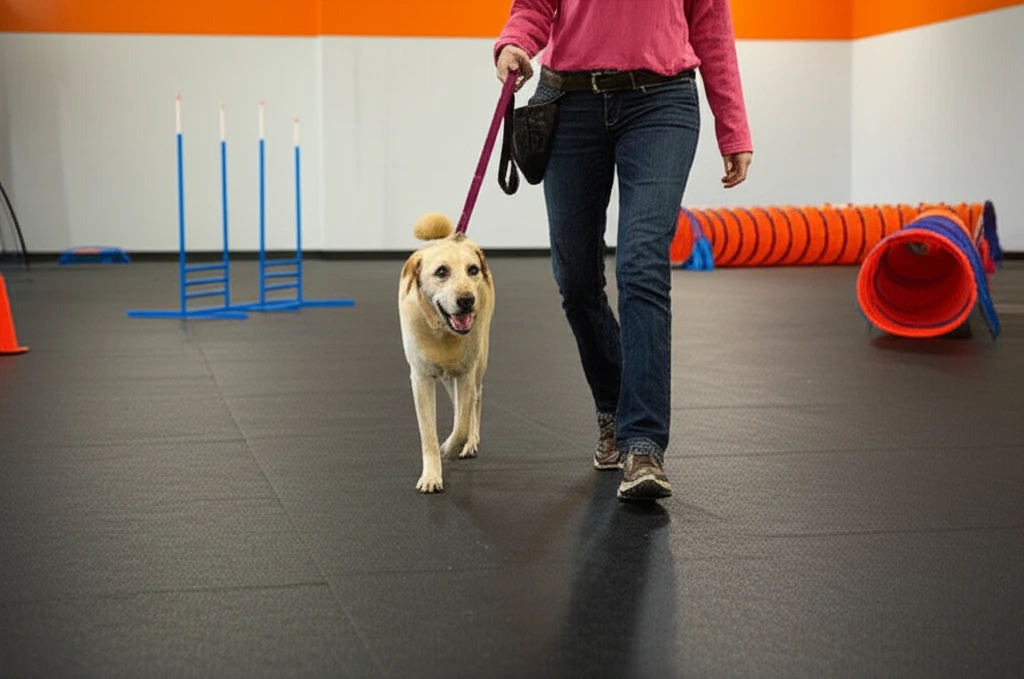
Individual Walks vs. Group Walks
The first decision is whether your dog needs an individual walk or a group walk. Individual walks are the better choice for dogs who are reactive on leash, still learning leash manners, anxious around unfamiliar dogs, elderly, or recovering from an injury. You get full attention from the walker, a pace set to your dog's needs, and no social variables to manage.
Group walks can be excellent enrichment for well-socialized dogs who enjoy canine company and have solid loose leash walking skills. But the quality depends entirely on the walker's management. Ask how many dogs are in each group. Three to four is manageable for an experienced walker. Six or more dogs handled by one person is a liability. Ask how the walker selects dogs for each group. Dogs should be matched by size, energy level, and temperament, not just by schedule convenience. A group walk where a reactive dog, a senior dog, and two adolescent huskies are all on one handler is not a walk. It is a disaster waiting to happen.
Some walkers offer both formats. That flexibility is a good sign, because it tells you they understand that different dogs need different things.
Insurance, Bonding, and the Business Basics
A professional dog walker should carry liability insurance. This protects you if your dog injures someone, damages property, or is injured while in the walker's care. Ask to see proof of insurance, not just a verbal assurance. If the walker works through a platform or app, check whether the platform's coverage actually extends to incidents during walks. Many do not cover as much as the marketing suggests.
Bonding provides an additional layer of protection against theft or property damage. A bonded and insured walker has invested in their business and is operating professionally. This does not guarantee quality, but the absence of insurance is a reliable red flag.
Ask whether the walker is trained in pet first aid and CPR. Ask whether they carry a basic first aid kit on walks. Ask what their protocol is if your dog gets loose, gets injured, or has an altercation with another dog. The answers tell you whether this person has thought through the scenarios that actually matter, or whether they are just someone who likes dogs and started a side hustle.
Get references. Talk to other clients. Ask specifically about communication, reliability, and how the walker handled any problems that came up. A walker who is consistently five minutes late, does not send updates, or disappears for a week without notice is going to stress you out regardless of how well they handle a leash.
The First Week: What to Watch For
A responsible walker will want to do a meet-and-greet before the first walk. This lets them assess your dog's behavior, learn your routines, get comfortable in your home, and ask questions about your dog's triggers, health issues, and preferences. If a walker shows up on day one without having met your dog first, that is a problem.
During the first week, pay attention to how your dog responds when the walker arrives. Initial nervousness is normal. Sustained fear, hiding, or avoidance after several visits suggests the relationship is not working. On the flip side, your dog being excited to see the walker is a good sign, as long as that excitement is not being rewarded with chaotic greetings that reinforce jumping and overstimulation.
Ask for walk reports. A good walker provides a summary of each walk: duration, route, how your dog did, any notable behavior, and a photo or two. This is not just nice to have. It is how you verify that the walk actually happened and that your dog is being engaged, not just let out in a yard for twenty minutes.
Watch your dog's behavior on your own walks after the walker has been coming for a week. If your dog's leash manners are getting worse, that could mean the walker is allowing pulling, not managing interactions with other dogs well, or using equipment or methods that conflict with your training. A walker should reinforce the skills your dog already has, not undo them. If you have been working on leash reactivity, make sure your walker knows your protocols and follows them consistently.
How Your Dog's Training Affects Every Walk
Here is something most people do not consider when hiring a walker: your dog's leash skills directly determine the quality of walk they receive. A dog who pulls relentlessly, lunges at squirrels, or loses their mind at the sight of another dog is exhausting to walk. Even the best walker is going to have a harder time providing a calm, enriching experience for a dog who is dragging them down the sidewalk for thirty minutes straight.
A dog with solid loose leash walking skills gets a better walk. The walker can take them to more interesting places, let them sniff and explore at a relaxed pace, and manage group dynamics without fighting for control. A dog who responds to a recall cue gives the walker an emergency tool if a leash slips or a gate is left open. A dog who can check in with a handler, settle when asked, and ignore distractions is a dog who can go more places and do more things on their walk.
This is where group training classes pay off in an unexpected way. The skills your dog learns in class are not just for your benefit. They make your dog easier and safer for every person who handles them, including your walker, your vet, your groomer, and the friend who watches them when you travel. Training is not a separate category from the rest of your dog's life. It is the foundation that makes everything else work better.
If your walker reports that your dog is difficult to manage on leash, take that seriously. It is not a complaint about your dog. It is useful information about a skill gap you can close with the right training.
Questions to Ask Before You Hire
Here is your checklist for evaluating a dog walker. Do not skip the conversation just because someone comes highly recommended or has a polished website.
Are you insured and bonded? Ask to see documentation. If the answer is no, move on.
What is your group size limit, and how do you select dogs for each group? Look for thoughtful matching, not just whoever is on the schedule.
What equipment do you use? A good walker uses a standard leash and a harness or flat collar. Retractable leashes, prong collars, choke chains, or e-collars on a walking service are dealbreakers.
What do you do if a dog gets loose? You want a specific, practiced answer, not a blank stare.
How do you handle leash reactivity or unexpected encounters with off-leash dogs? The answer should involve creating distance, not confrontation or flooding.
Will you follow my training protocols? If you are working on specific skills, your walker needs to be consistent with your approach. A walker who says they have their own methods is going to confuse your dog.
What does your communication look like? Daily walk reports, photos, and prompt notification of any issues should be standard. If the walker treats communication as optional, you will spend your workday wondering if your dog is okay.
Frequently Asked Questions
How do I know if my dog walker is actually walking my dog?
Ask for GPS-tracked walk reports. Many professional walkers use apps that record the route, distance, and duration of each walk, along with photos taken during the outing. If your walker does not use a tracking app, request time-stamped photos at the beginning and end of each walk. You can also check your dog's behavior when you get home. A dog who received a proper thirty-minute walk will typically be calmer and more settled than a dog who was let into the yard briefly. If your dog seems unchanged in energy level after supposed walks, it is worth a conversation.
Should my dog walker use a harness or a collar?
A front-clip harness is generally the safest and most effective option for dog walking. It gives the walker control without putting pressure on the dog's neck, and it naturally discourages pulling by redirecting the dog's forward momentum. Flat collars are fine for dogs who walk on a loose leash consistently. Avoid any walker who uses prong collars, choke chains, slip leads cranked tight, or e-collars. These tools require precise timing to use without causing harm, and even then, they rely on discomfort rather than communication. A professional walker should be able to manage your dog with a harness and skill, not with pain.
What should I do if my dog's behavior gets worse after starting with a walker?
Talk to the walker first. Increased pulling, new reactivity, or heightened arousal after walks can result from the walker allowing behaviors you have been training against, using equipment that creates frustration, or grouping your dog with dogs who are a bad social match. Share your concerns specifically and describe the changes you are seeing. If the walker is receptive and willing to adjust, give it another week. If the behavior does not improve or the walker dismisses your concerns, find a different walker. Your dog's training progress should not be set back by a service that is supposed to help.
Ready to Get Started?
The leash skills your dog learns at Zoom Room make every walk better, whether you are holding the leash or your walker is. Our group classes build loose leash walking, recall, and calm focus around distractions.
Find a Zoom Room