
Dog Dental Care: A Guide to Keeping Your Dog's Teeth Healthy
By the age of three, most dogs have some degree of dental disease. It is the most common health problem in adult dogs, and it is largely preventable. The catch is that it requires you to get your hands in your dog's mouth, which means it starts with training.
Why Dental Health Matters More Than You Think
Dental disease in dogs is not just about bad breath. Plaque builds up on the teeth, hardens into tartar, and pushes below the gumline, causing inflammation, infection, and eventually tooth loss. Left untreated, the bacteria from dental infections can enter the bloodstream and affect the heart, liver, and kidneys. Dental disease is a systemic health issue, not a cosmetic one.
The early signs are easy to overlook. Yellow or brown buildup on the teeth, red or swollen gums, bad breath that goes beyond normal "dog breath," and reluctance to chew on one side of the mouth are all indicators of developing dental problems. By the time a dog is dropping food, pawing at their face, or refusing to eat, the disease has progressed significantly and likely requires professional intervention.
Prevention is dramatically cheaper and less stressful than treatment. A professional dental cleaning under anesthesia can cost hundreds to over a thousand dollars, depending on the severity and whether extractions are needed. A toothbrush, dog-safe toothpaste, and five minutes a day cost almost nothing and can prevent or significantly delay the need for professional cleanings. The investment is in training your dog to accept the process, and that pays dividends for their entire life.
Brushing Desensitization: Teaching Your Dog to Accept Tooth Brushing
Most dogs do not naturally enjoy having their mouth handled. Tooth brushing is a skill you need to teach, and like any skill, it starts with small steps and positive associations. If you try to pry your dog's mouth open and shove a toothbrush in on day one, you are going to create a dog who clamps their jaw shut every time they see the toothbrush.
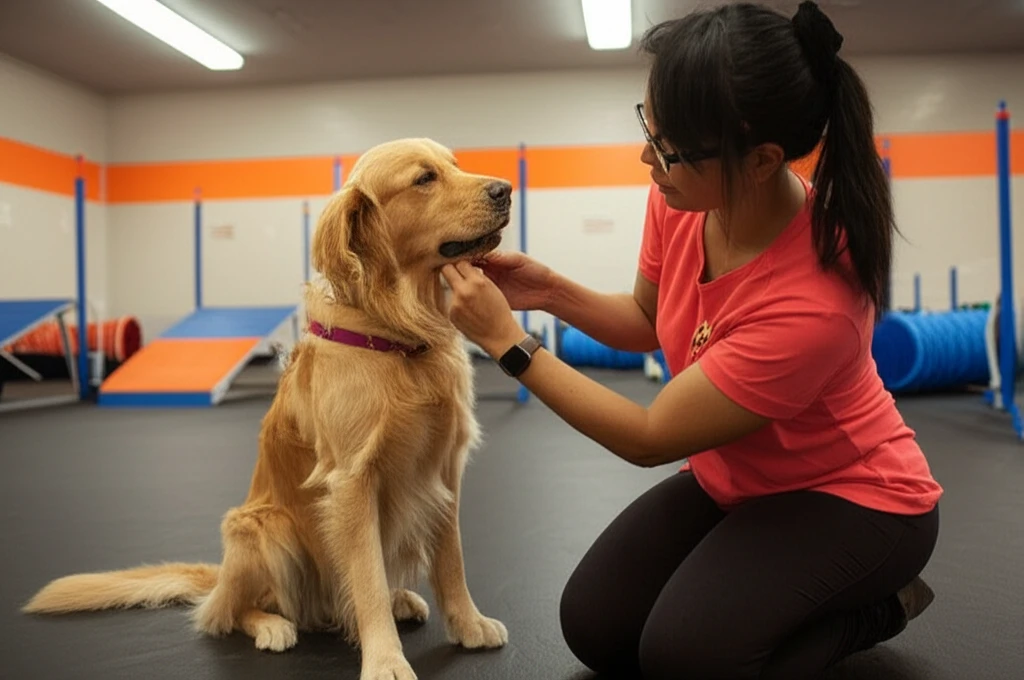
Start with mouth handling. Lift your dog's lips gently and touch the outside of their teeth with your finger. Immediately follow with a high-value treat. Do this for a few seconds at a time, several times a day, until your dog is relaxed about having their lips lifted and their teeth touched. This is the same desensitization approach used in groomer preparation and vet visit prep: gradual exposure paired with positive outcomes.
Next, introduce dog-safe toothpaste on your finger. These come in flavors dogs enjoy, like poultry or peanut butter. Let your dog lick the toothpaste off your finger. Then gently rub a small amount on their teeth with your finger. Treat. Repeat over several sessions until this feels routine.
Then introduce the toothbrush or a finger brush. Let your dog investigate it. Put toothpaste on it and let them lick it. Then gently brush a few teeth, focusing on the outer surfaces where plaque accumulates most. Treat. Keep the first few sessions very short, even just a few seconds of actual brushing. Over time, extend the duration until you can brush all of the outer tooth surfaces in a single session. The entire desensitization process may take a week or two. The payoff lasts a lifetime.
Dental Chews, Water Additives, and Other Supplements
Dental chews can be a useful supplement to brushing, but they are not a replacement for it. The mechanical action of chewing helps scrape plaque off the teeth, and some dental chews contain ingredients that reduce tartar formation. Look for products that carry the Veterinary Oral Health Council seal, which means they have been tested and shown to meet standards for plaque or tartar reduction.
Not all chews are created equal. Avoid chews that are harder than your dog's teeth, like antlers, bones, and hooves. These can fracture teeth, which is painful and expensive to repair. If you cannot dent the chew with your thumbnail, it is too hard for your dog's teeth. Rubber toys designed for chewing, dental-specific chews, and appropriately sized raw hides are generally safer options.
Water additives and dental sprays are marketed as effortless dental care, and some do provide mild antibacterial benefits. However, they do not physically remove plaque the way brushing and chewing do. Think of them as a minor supplement, not a solution. The same applies to dental diets, which use kibble size, shape, and texture to promote chewing and reduce plaque. They can help, but they work best as part of a comprehensive dental care plan that includes brushing.
The most effective daily dental care routine combines regular brushing with appropriate dental chews. For new dog owners, building this habit early means your dog grows up accepting dental care as a normal part of life.
Professional Dental Cleanings
Even with diligent home care, most dogs will benefit from a professional dental cleaning at some point. A professional cleaning is done under general anesthesia, which allows the vet to clean below the gumline, take dental X-rays, and assess each tooth for damage, infection, or decay. This level of examination is impossible on an awake dog, no matter how cooperative they are.
Anesthesia understandably makes some owners nervous, but the risk of untreated dental disease is far greater than the risk of a properly managed anesthetic event. Modern veterinary anesthesia includes pre-anesthetic blood work to ensure your dog is a good candidate, continuous monitoring during the procedure, and careful recovery management. Talk to your vet about the specific protocol they use and what to expect.
How often your dog needs a professional cleaning depends on their individual dental health. Some dogs need annual cleanings. Others may go several years between cleanings if their home care is excellent. Small breeds and brachycephalic breeds tend to be more prone to dental disease and may need more frequent professional care.
After a professional cleaning, you have a clean slate. This is the ideal time to start or restart a consistent home care routine. Plaque begins forming within hours of a cleaning, so maintaining the results requires daily effort. Think of the professional cleaning as a reset and home care as the maintenance that keeps it going.
Making Dental Care Part of Your Handling Routine
Dental care does not exist in isolation. It is part of a broader set of handling skills that includes ear cleaning, nail trimming, coat brushing, and body examinations. Dogs who are comfortable being handled all over their body are easier to care for at home, at the groomer, and at the vet. Early socialization that includes positive handling experiences makes dental care dramatically easier throughout your dog's life.
If you have an adult dog who has never had their teeth brushed, you can still teach them to accept it. The process is the same as with a puppy, just potentially slower. Start with the desensitization steps, be patient, and do not skip ahead. An adult dog who has had negative experiences with mouth handling may need extra time to build trust. Let them set the pace, reward every small step of progress, and never force the issue.
Build dental care into your daily routine so it becomes as automatic as feeding. Many owners brush their dog's teeth right after the evening meal, which creates a predictable pattern: dinner, then toothbrush, then a final treat. Consistency turns dental care from an event into a habit, and habits are what keep your dog's teeth healthy year after year.
Zoom Room's training programs include handling exercises that prepare your dog for all aspects of care, including dental. A dog who is comfortable with mouth handling, body contact, and calm restraint is a dog who makes dental care easy. Find a Zoom Room near you to build the handling skills that keep your dog healthy for life.
Frequently Asked Questions
How often should I brush my dog's teeth?
Daily brushing is ideal and provides the best protection against plaque buildup and dental disease. If daily brushing is not realistic, aim for at least three to four times per week. Brushing less frequently than that allows plaque to harden into tartar, which cannot be removed by brushing alone and requires professional cleaning. Even a few seconds of brushing focused on the outer surfaces of the teeth is better than skipping a day entirely. Consistency matters more than perfection.
Can I use human toothpaste on my dog?
No. Human toothpaste contains fluoride and often xylitol, both of which are toxic to dogs if swallowed. Dogs do not spit, so they will ingest whatever toothpaste you put in their mouth. Always use toothpaste specifically formulated for dogs. These are made with safe, digestible ingredients and come in flavors that dogs enjoy, which makes the desensitization process easier. Dog toothpaste is widely available at pet stores and through your veterinarian.
My dog will not let me touch their mouth. What should I do?
Start with the smallest step your dog will tolerate without stress. That might be touching the outside of their muzzle, lifting one lip for a second, or just resting your hand near their face. Pair each step with a high-value treat. Progress slowly, adding one new element at a time: lifting the lip, touching a tooth, rubbing the gums, introducing the toothbrush. Never force the process. If your dog pulls away, you have gone too far. Go back to the previous step and spend more time building comfort there. For dogs with a strong negative association with mouth handling, working with a professional trainer on cooperative care techniques can make a significant difference.
Build Better Handling Skills
Zoom Room's training classes include handling exercises that prepare your dog for dental care, grooming, and vet visits. A dog who is comfortable being handled is a dog who stays healthy.
Find a Zoom Room