
How Much Exercise Does Your Dog Actually Need?
The answer is not "more." Some dogs need an hour a day. Some need three. Some are getting too much. The right exercise plan depends on your dog's age, breed type, health, and individual personality, and getting it wrong in either direction creates problems.
Exercise Needs by Breed Type
Breed type gives you a general framework, but it is not a prescription. Sporting breeds, herding breeds, and terriers were developed for physically demanding work, and they generally need more exercise than companion breeds or giant breeds. A young border collie or Australian shepherd may need 90 minutes to two hours of physical and mental activity daily. A young Labrador or golden retriever thrives with 60 to 90 minutes. A bulldog, basset hound, or Shih Tzu may be perfectly content with 30 to 45 minutes of moderate exercise.
But here is where generalizations fall apart. Individual variation within a breed is enormous. Some Labs are couch potatoes. Some bulldogs are surprisingly athletic. Some border collies have an off switch and some do not. Breed research tells you what to expect on average, but the dog in front of you tells you what they actually need. Watch your dog. A dog who is calm and settled at home, sleeps well, and does not engage in destructive behavior is probably getting enough exercise. A dog who is pacing, whining, chewing furniture, or bouncing off the walls is telling you they need more.
Mixed breeds require the same observation-based approach. If you know your dog's breed mix, it can inform your starting point. If you do not, watch their behavior and adjust. Your dog's energy output tells you more than any breed chart.
Puppy Exercise: Why Less Is More
Puppies have seemingly limitless energy, which leads many owners to assume they need limitless exercise. They do not. In fact, over-exercising a puppy can cause lasting damage to their developing body.
Puppy growth plates, the soft areas of developing bone near the joints, do not fully close until a dog reaches physical maturity. For small breeds, this happens around 8 to 12 months. For large and giant breeds, growth plates may not close until 14 to 18 months or later. Repetitive high-impact activity on open growth plates, including long runs, extended fetch sessions on hard surfaces, and forced marches, can cause growth plate injuries that lead to permanent joint problems.
A widely used guideline is five minutes of structured exercise per month of age, twice a day. So a four-month-old puppy gets two 20-minute sessions. This applies to structured exercise like walks and organized play, not to free play in the yard where the puppy can rest at will. Puppies naturally alternate between bursts of activity and naps, and that self-regulation is healthier than an owner-imposed exercise schedule that pushes them past their limits.
Mental exercise is a better outlet for puppy energy than physical endurance. Short training sessions, puzzle feeders, socialization outings, and gentle exploration tire a puppy's brain without taxing their growing body. A 15-minute training session can exhaust a puppy more thoroughly than a 30-minute walk, and it builds skills at the same time.
Adult Dogs: Finding the Right Balance
Most healthy adult dogs need 60 to 120 minutes of total activity per day, split across multiple outings. This includes walks, play, training, and enrichment. The split between physical and mental activity depends on the individual. A physically fit sporting breed may need 90 minutes of vigorous physical exercise plus 30 minutes of mental stimulation. A lower-energy companion breed may do well with 30 minutes of moderate walking and 20 minutes of enrichment activities.
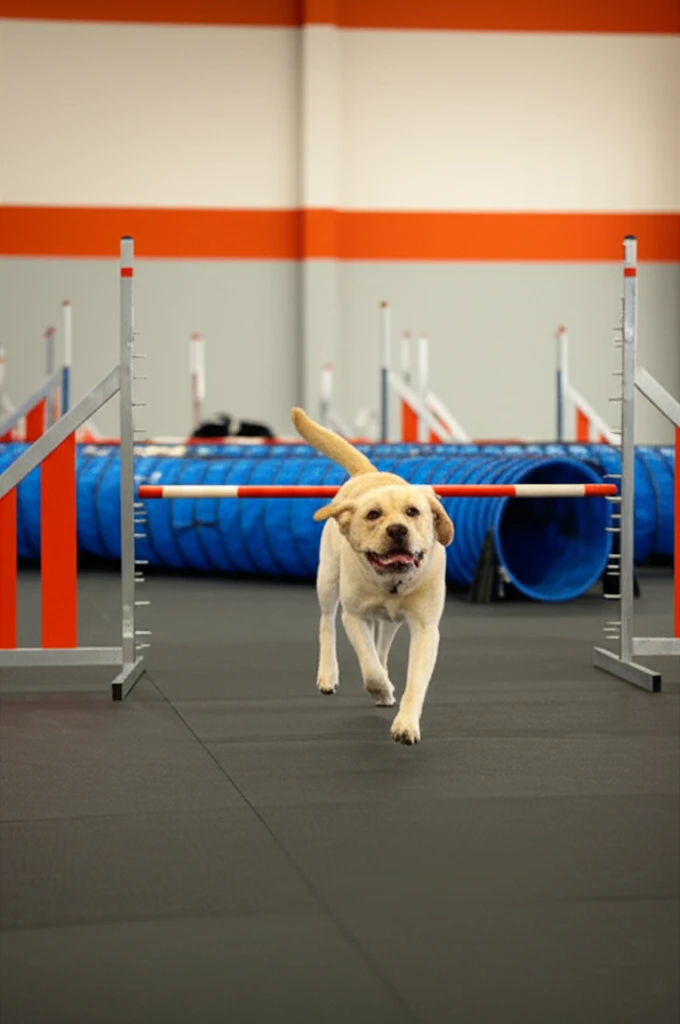
Structured walks are the foundation, but they are not the only option. Agility, swimming, hiking, fetch, flirt pole play, and tug games all provide physical exercise with different levels of intensity. Rotate activities to prevent repetitive strain and keep your dog engaged. A dog who does the same 30-minute loop around the block every day is getting exercise, but they are also getting bored.
Pay attention to recovery. A dog who is stiff, limping, or unusually tired the day after exercise may be doing too much. Especially as dogs enter middle age, around five to seven years for most breeds, their recovery time increases and their exercise needs may decrease. Adjust proactively rather than waiting for an injury to force the issue.
The biggest misconception is that a tired dog is a good dog. A physically exhausted dog is just temporarily quiet. A dog who has had the right balance of physical exercise, mental enrichment, and rest is genuinely calm and content. If you find yourself needing to exhaust your dog just to get them to settle down, the issue is more likely insufficient mental stimulation or a lack of enrichment rather than insufficient physical exercise.
Mental Exercise Counts
Physical exercise and mental exercise are not interchangeable, but they are equally important. A dog who runs for an hour and then destroys a couch cushion is not under-exercised. They are under-stimulated. Mental enrichment, which includes training, problem-solving games, scent work, and food puzzles, engages a different part of your dog's brain and produces a different kind of satisfaction.
Training is the most accessible form of mental exercise. Five to ten minutes of practicing cues, learning a new behavior, or working through a shaping exercise engages your dog's brain intensely. Dogs have to think during training: they are processing information, making decisions, and problem-solving. That cognitive effort is tiring in a productive way.
Scent work is one of the most powerful mental exercises available. Your dog's nose is their primary sense, and using it actively is deeply satisfying. Hiding treats around the house, playing "find it" games in the yard, or enrolling in a nose work class provides mental exhaustion that physical exercise alone cannot match.
Food enrichment is effortless to implement. Scatter feeding, Kongs, lick mats, and puzzle toys turn meals and snacks into brain games. Instead of your dog inhaling their dinner in 30 seconds, they spend 15 to 20 minutes working for it. This daily mental exercise adds up over time and contributes meaningfully to your dog's overall well-being.
Over-Exercise Is Real
More is not always better. Over-exercise is a real problem that is underrecognized because the culture around dogs tends to celebrate maximum activity. But dogs, like humans, can be pushed past their limits, and the consequences include joint injuries, muscle strains, heat exhaustion, and chronic stress.
High-energy breeds are most at risk because their drive often exceeds what their body can safely sustain. A young border collie will keep fetching until their pads are raw if you let them. A retriever will keep swimming until they are dangerously fatigued. These dogs do not self-regulate during high-arousal activities. You need to regulate for them by setting time limits, providing water and shade, and calling the session before your dog hits the wall.
Over-exercise is especially dangerous in hot or humid weather. Dogs cool themselves through panting, which is far less efficient than sweating. Brachycephalic breeds, dogs with short noses like bulldogs, pugs, and Boston terriers, are particularly heat-sensitive and can overheat quickly during moderate exercise in warm weather. Limit exercise to the cooler parts of the day and watch for signs of overheating: excessive panting, drooling, lethargy, bright red gums, and uncoordinated movement.
The goal of exercise is a dog who is physically healthy, mentally satisfied, and able to settle calmly between activities. If your dog seems wired rather than tired after exercise, or if they need increasingly more activity to reach the same level of calm, you may be building endurance and arousal rather than providing genuine satisfaction. A balanced approach that mixes physical activity with training, mental enrichment, and structured rest is more effective than simply running your dog into the ground. Find a Zoom Room near you to build a balanced exercise and enrichment plan tailored to your dog.
Frequently Asked Questions
How do I know if my dog is getting enough exercise?
A well-exercised dog is calm and relaxed at home, sleeps well at night, maintains a healthy weight, and does not engage in destructive behaviors driven by boredom or excess energy. If your dog is pacing, whining, chewing on furniture, or unable to settle, they likely need more activity, though the solution may be mental enrichment rather than more physical exercise. If your dog is lethargic, stiff after outings, or losing weight, they may be getting too much. The right amount results in a dog who is content and able to switch between active and restful states throughout the day.
Can I take my puppy running with me?
Not until their growth plates have closed, which varies by breed. For small breeds, this is typically around 8 to 12 months. For large and giant breeds, growth plates may not fully close until 14 to 18 months or older. Running on pavement with open growth plates can cause joint injuries that affect your dog for life. Ask your vet to confirm when your puppy is physically mature enough for sustained running. In the meantime, short walks, gentle play, and mental enrichment are the safest ways to manage puppy energy.
What counts as exercise for a dog?
Physical exercise includes walks, hikes, swimming, fetch, tug play, agility, running, and any activity that gets your dog's body moving. Mental exercise includes training sessions, puzzle toys, scent work, food enrichment, and any activity that requires your dog to think and problem-solve. Both types count toward your dog's daily needs, and both are important. A 20-minute training session and a 30-minute walk together provide a more complete form of exercise than a 50-minute walk alone. The best exercise plans include a mix of physical and mental activities spread throughout the day.
Build a Balanced Exercise Plan
Zoom Room offers agility, fitness, scent work, and training classes that provide the perfect mix of physical and mental exercise. Find the right balance for your dog.
Find a Zoom Room