
How to Prepare Your Dog for the Groomer
Grooming is not optional for most dogs. Nails need trimming, coats need maintenance, and ears need cleaning. But many dogs find the grooming experience stressful, and that stress often starts long before they reach the salon. The good news is that most grooming anxiety is preventable with the right preparation at home.
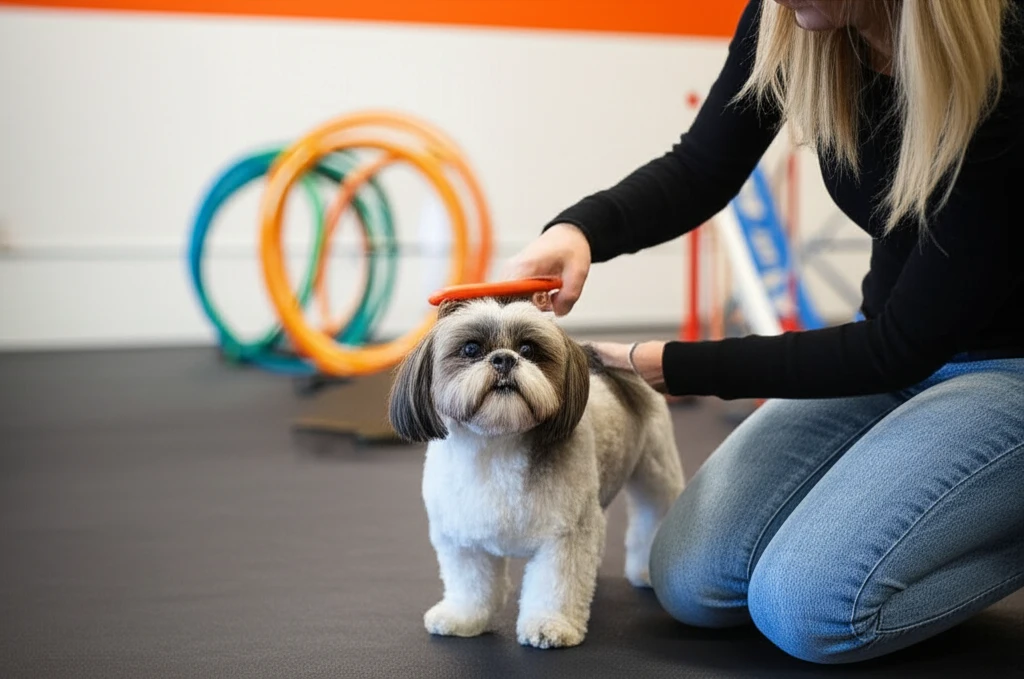
Handling Desensitization: Start at Home
The reason grooming is stressful for many dogs is not the groomer. It is the handling. Think about what happens during a grooming appointment: a stranger holds your dog's paws and clips their nails, lifts their ears and wipes inside them, touches their face and trims around their eyes, runs a loud buzzing tool along their body, and sprays water on them in an enclosed space. If your dog has never experienced any of that at home in a positive context, the grooming salon is the worst possible place to encounter it for the first time.
Start with the body parts dogs are most sensitive about: paws, ears, mouth, and tail. In short, calm sessions, touch each area while feeding high-value treats. Touch a paw, treat. Lift an ear flap, treat. Gently hold the muzzle for one second, treat. You are not grooming. You are building an association between handling and good things. Keep sessions under two minutes and stop before your dog shows any signs of stress.
Once your dog is comfortable with basic touch, introduce the tools. Let your dog sniff nail clippers while you feed treats. Turn on clippers near your dog, not on them, and pair the sound with treats. Run a brush gently along their body for a few strokes, then stop and reward. The goal is for your dog to see grooming tools as predictors of good things, not things to fear. This is the same desensitization and counter-conditioning approach used in fearful dog training, applied to a specific real-world context.
If your dog is already afraid of a specific tool or handling procedure, do not push through it. Go slower, start at a greater distance from the scary thing, and consider working with a trainer who can help you build a structured desensitization plan.
What to Expect at a First Grooming Appointment
A first grooming appointment for a puppy or a dog who has never been groomed should be short and introductory. Good groomers understand this. They will do a partial groom rather than a full one: maybe just a bath and brush, or a nail trim and ear cleaning, without pushing the dog through every procedure in one visit. This is smart because it builds positive associations incrementally rather than overwhelming your dog with an hour-long full-service experience on their first trip.
Ask the groomer how they handle nervous dogs. The answer should involve patience, treats, breaks, and the willingness to stop a procedure if the dog is too stressed. Some groomers practice cooperative care, where they read the dog's body language and only proceed when the dog is showing consent through relaxed posture. Others power through regardless. You want the first kind.
Dogs who have been through puppy socialization programs have a significant advantage at the groomer because they have already practiced being handled by different people in different settings. They have learned that novel experiences can be safe and that unfamiliar environments are not inherently threatening. That foundation makes the grooming salon just another new place with new people, rather than a terrifying ordeal.
Bring your dog's favorite treats to the appointment and ask the groomer to use them. Some dogs will not eat when they are stressed, which is useful information in itself, but many dogs can be helped through mild discomfort with well-timed food rewards. If the groomer does not allow outside treats, ask why. A rigid policy against positive reinforcement during grooming is not a great sign.
Breed-Specific Grooming Needs
Your dog's breed determines the type and frequency of grooming they need, which directly affects how important preparation becomes. Double-coated breeds like Golden Retrievers, Huskies, and German Shepherds need regular brushing and seasonal deshedding but should generally not be shaved. A groomer who suggests shaving a double-coated breed as a matter of routine does not understand coat function.
Breeds with continuously growing coats, such as Poodles, Doodles, Bichons, and Shih Tzus, need professional grooming every four to eight weeks. These dogs will spend a lot of time on the grooming table over their lifetime, which makes early preparation and positive associations especially critical. A Poodle who dreads the groomer is going to have that experience every month for their entire life. Investing in desensitization early pays off over hundreds of appointments.
Flat-faced breeds like Bulldogs and Pugs need attention to their facial folds and wrinkles, which can harbor bacteria and yeast if not cleaned regularly. Dogs with floppy ears are prone to ear infections and need routine ear cleaning. Breeds with fast-growing nails or minimal natural wear need more frequent nail trims. Understanding your specific dog's grooming needs helps you prepare them for exactly the handling they will encounter most often.
Talk to your groomer about what your specific dog needs and how often. A good groomer educates you on home maintenance between appointments, including brushing frequency, ear checks, and how to keep mats from forming. This partnership between you and your groomer keeps your dog comfortable and reduces the amount of intensive work needed at each visit.
Red Flags at a Grooming Facility
Not all groomers are equal, and your dog cannot tell you what happened during their appointment. Here is what should raise your concern.
No questions about your dog's behavior or history. A groomer who takes your dog without asking whether they have ever been groomed before, whether they are sensitive about any body parts, or whether they have any aggression history is not setting themselves up to handle your dog safely.
Rough handling or impatience. If you can observe the grooming process and see groomers yanking dogs into position, pinning them down, or using harsh verbal corrections, leave. Grooming should be firm and efficient, but never rough.
Heavy reliance on restraint. Grooming loops and tables are standard safety equipment. A dog who is muzzled, strapped down at every limb, and fighting through the entire process is a dog in distress. A competent groomer adjusts their approach for anxious dogs rather than simply overpowering them.
No willingness to stop. If you ask a groomer to stop a procedure because your dog is panicking and they refuse or tell you the dog is "fine" while the dog is clearly not fine, do not go back. Your dog's welfare is more important than a finished haircut.
Sedation without your knowledge or consent. Some groomers use calming supplements or even sedatives without telling the owner. This is unacceptable. Any chemical intervention should be prescribed by a veterinarian and administered with your explicit consent.
Conversely, a groomer who takes breaks when your dog needs them, uses treats, communicates openly about what happened during the appointment, and tells you honestly when your dog was stressed is a groomer worth keeping. At every stage of dog ownership, surrounding yourself with professionals who prioritize your dog's emotional experience makes the biggest difference in your dog's quality of life.
Building Grooming into Your Training Routine
Grooming prep does not have to be a separate project. It fits naturally into your regular training practice. When you work on handling exercises at home, you are building skills that transfer to the groomer, the vet, and any situation where your dog needs to be touched and manipulated by someone.
Practice stationing: teaching your dog to stand or lie on a raised surface, like a low platform or ottoman, while you handle them. This mimics the grooming table experience. Pair it with treats and keep sessions short. A dog who can stand calmly on a surface while someone touches their paws has already practiced the hardest part of a nail trim.
Practice chin rest: teaching your dog to rest their chin in your hand or on a surface and hold it there voluntarily. This is a cooperative care technique that gives your dog a way to say, "I am okay, keep going." If they lift their chin, you pause. It transforms grooming from something done to your dog into something they participate in. Many group training classes incorporate handling exercises like these because the skills apply to so many real-world situations.
Introduce your dog to the sounds and sensations of grooming tools regularly, not just the week before an appointment. A few minutes with the brush after a walk, a quick paw touch during a training session, or nail clipper sounds paired with a treat during dinner all add up. The more routine it becomes, the less remarkable it feels to your dog. And the less remarkable grooming feels, the calmer your dog will be in the chair. Find a Zoom Room near you to start building handling confidence in a supportive group setting.
Frequently Asked Questions
How do I find a groomer who uses gentle methods?
Ask specific questions before booking. Ask how they handle nervous or fearful dogs, whether they use treats during grooming, and whether they will stop a procedure if the dog is highly stressed. Look for groomers who describe their approach in terms of patience and reading the dog, not in terms of getting the job done no matter what. Fear Free Certified groomers have completed specific training in reducing fear, anxiety, and stress during grooming procedures. Online reviews that mention a groomer being gentle with anxious dogs carry more weight than reviews about how cute the haircut turned out. If possible, observe a session before booking your own.
My dog hates getting their nails trimmed. What can I do?
Go back to basics with desensitization. Start by touching your dog's paw and immediately giving a high-value treat, without any nail clippers present. Over several sessions, progress to holding the paw, then touching the clipper to a nail without clipping, then clipping one nail and stopping. One nail per session is fine. Building tolerance slowly prevents the panic response that makes nail trims a wrestling match. A scratch board, which is a piece of sandboard your dog scratches with their front paws, can also file down nails without clippers. If your dog's nail anxiety is severe, ask your vet about doing trims during a veterinary visit where sedation or anxiety medication is available if needed.
At what age should I take my puppy for their first grooming appointment?
Most puppies can start with introductory grooming appointments around ten to twelve weeks of age, after they have had at least their first round of vaccinations. The first visit should be short and simple, focusing on positive exposure to the environment rather than a full groom. A bath, gentle brush, and maybe a nail trim is plenty. The goal at this age is building a positive association with the grooming salon, the equipment, and the groomer's handling. Starting early means your puppy normalizes the experience before they have a chance to develop fear around it. Ask the groomer to go slow, use plenty of treats, and end the session on a good note.
Ready to Get Started?
Handling desensitization, confidence building, and cooperative skills all start in Zoom Room classes. Prepare your dog for grooming, vet visits, and every hands-on experience they will encounter throughout their life.
Find a Zoom Room