
Dog Park Safety: Why Dog Parks Are Not Socialization
Dog parks are popular, convenient, and free. They are also uncontrolled environments where your dog's safety depends entirely on the behavior of every other dog and owner in the park. That is a gamble, and you should go in with your eyes open.
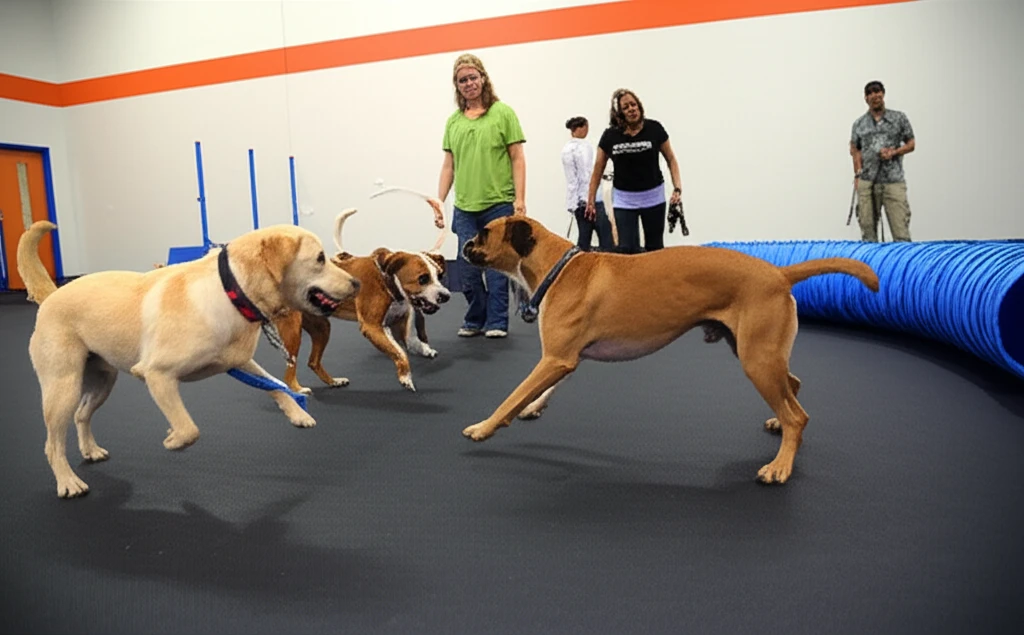
Why Dog Parks Are Not Socialization
True socialization is the process of teaching your dog to be comfortable and confident around other dogs, people, and environments in a structured, controlled way. A dog park is the opposite of structured and controlled. You have no say in which dogs are there, how they behave, whether they are vaccinated, or whether their owners are paying attention. You cannot control the energy level, the play style, or the group dynamics. These variables change every time a new dog walks through the gate.
For a confident, well-socialized adult dog, a dog park can be a fine place to run and play. But for a puppy, a fearful dog, a reactive dog, or a dog who is still learning social skills, a dog park is not a training environment. It is a trial by fire. A single bad experience at a dog park, being pinned by an overarousing dog, being rushed at the gate, or being bitten during a resource dispute, can set back months of careful socialization work. One negative encounter can create leash reactivity or dog-directed fear that takes significant time and effort to undo.
The distinction matters. Letting your dog run loose with unknown dogs is not socialization. It is unsupervised play with unpredictable outcomes. Socialization is deliberate exposure to controlled variables with a plan for success.
What to Watch For at the Dog Park
If you do go to the dog park, your job is to watch your dog constantly. Not your phone. Not the other owners. Your dog. You need to be fluent in canine body language because the difference between healthy play and a fight about to happen is often a few seconds of subtle signals.
Healthy play looks like this: loose, bouncy movements. Play bows. Dogs taking turns chasing each other. Dogs voluntarily pausing and then re-engaging. Both dogs appearing relaxed and happy. Healthy play includes self-handicapping, where a bigger or stronger dog adjusts their intensity for a smaller or less confident play partner.
Unhealthy dynamics look like this: one dog consistently pinning another. One dog trying to leave while the other pursues and will not let them disengage. Stiff, forward body posture. Hard staring. Raised hackles combined with a stiff tail. Resource guarding over a ball or water bowl. Mounting that is persistent and ignored by the other dog's owner. Multiple dogs ganging up on one. If you see any of these dynamics involving your dog, it is time to intervene.
Watch the gate area closely. Gate greetings are the most common flashpoint for conflict at dog parks. A group of dogs rushing the entrance when a new dog walks in is not a welcome committee. It is an overwhelming, high-arousal situation that triggers defensive reactions in many dogs. Wait for the gate area to clear before entering, and if other dogs rush your dog at the gate, leave and come back another time.
When to Leave the Dog Park
Leave before there is a problem, not after. If your dog's body language shifts from relaxed to tense, leave. If you notice a dog in the park whose play style is too rough, too persistent, or too arousing for your dog, leave. If the overall energy level in the park escalates and dogs start running in tight groups with increasing intensity, leave. These are the conditions that precede fights.
Leave if your dog is not having fun. A dog who is hiding behind your legs, cowering under a bench, or trying to get to the gate is telling you they want out. Forcing them to stay because you think they need socialization is counterproductive. They are learning that the dog park is a place where they feel trapped and overwhelmed.
Leave if the other owners are not supervising their dogs. You can be the most attentive person in the park and it will not matter if the owner of the dog harassing yours is scrolling their phone on a bench. You can only control your own dog. If the environment is not safe because other owners are not managing theirs, the right call is to leave.
Practice a reliable recall before you ever go to a dog park. If you cannot call your dog away from a developing situation, you have no way to protect them in the moment. A recall that works in your backyard but fails in a high-distraction environment is not a reliable recall. Build it up through progressive distraction training before testing it at the park.
Better Alternatives for Social Play
If the goal is giving your dog positive social experiences with other dogs, there are far better options than an uncontrolled dog park. Structured socialization classes pair dogs by size, temperament, and play style in a supervised environment where a trainer manages the interactions. Every variable is controlled: which dogs are there, how long they interact, and when they take breaks. If a dog is overwhelmed, the trainer intervenes immediately. This is how dogs build genuine social skills without the risk of a bad experience derailing their progress.
Playdates with known dogs are another excellent option. Set up a one-on-one play session with a dog whose temperament and play style complement your dog's. Introduce them on neutral ground, on leash first, then move to an enclosed yard for off-leash play. You know both dogs, you control the environment, and you can end the session before anyone gets overstimulated.
Sniff walks and decompression walks offer social enrichment without direct dog-to-dog interaction. Walking your dog in an area where they can smell other dogs, observe them from a safe distance, and practice calm behavior in the presence of other dogs builds social confidence without the pressure of face-to-face encounters. For dogs who are working through reactivity or fear, this is often the most productive social exercise you can do.
The point is not that dogs should never play with other dogs. It is that where and how they play matters enormously. A dog who has positive, controlled social experiences builds confidence. A dog who has chaotic, overwhelming experiences builds anxiety. Choose the environments that set your dog up for success.
If You Still Want to Use the Dog Park
Some dogs genuinely thrive at the dog park, and some parks are well-managed by their regular community of owners. If your dog is confident, has strong social skills, and enjoys off-leash play with unfamiliar dogs, the dog park can work for you. But go in with ground rules.
Visit the park without your dog first. Observe the dynamics during the time of day you plan to attend. Are the regulars attentive? Are the dogs playing well? Is the park well-maintained with secure fencing, fresh water, and separate areas for large and small dogs? A park that looks sketchy at 4 PM on a Saturday may be perfectly calm at 9 AM on a Tuesday.
Avoid peak hours, especially weekends and late afternoons, when the park is most crowded and the energy is highest. More dogs in a confined space means more potential for conflict. Go during off-peak times when fewer dogs are present and you can observe the dynamics before committing to a session.
Set a time limit. Fifteen to twenty minutes of active play is plenty. Longer sessions lead to overstimulation, and overstimulated dogs make poor decisions. Leave while everyone is still having fun, not after the energy has tipped into something frantic. And always, always keep your eyes on your dog. Find a Zoom Room near you for structured socialization that builds your dog's confidence without the unpredictability of the dog park.
Frequently Asked Questions
Are dog parks safe for puppies?
Dog parks are generally not recommended for puppies, especially puppies under six months old. Puppies are in a critical socialization window where negative experiences have an outsized impact on their long-term behavior. They are also physically smaller and more vulnerable to injury from rough play. A single overwhelming encounter at a dog park can create lasting fear of other dogs. Additionally, puppies who are not fully vaccinated are at risk for diseases like parvovirus, which can be present in the soil at dog parks. Structured puppy socialization classes are a much safer option for early social development.
What should I do if another dog attacks my dog at the park?
Stay as calm as you can. Do not reach between the dogs with your hands, as you are likely to be bitten. Making a loud noise, such as clapping or shouting, can sometimes interrupt a fight. If the dogs are locked on, approach from behind the aggressing dog, grab their hind legs above the hocks, and pull them backward in a wheelbarrow motion. Once separated, leash your dog and leave the park immediately. Check for injuries and photograph them. Get the other owner's contact information if possible. See your vet even if injuries appear minor, as puncture wounds are prone to infection.
How can I tell if my dog enjoys the dog park or is just tolerating it?
A dog who enjoys the dog park enters willingly, has a loose and relaxed body, engages in play with other dogs, takes voluntary breaks, and is easy to re-engage with you. A dog who is tolerating it may enter reluctantly, stay close to you or near the fence, show stress signals like lip licking, yawning, or a tucked tail, avoid other dogs, or try to leave. Some dogs appear to play but are actually in a state of heightened arousal rather than enjoyment. If your dog seems exhausted, anxious, or shutdown after park visits rather than happily tired, they may not be enjoying the experience as much as you think.
Looking for Safe Socialization?
Zoom Room's structured socialization classes pair dogs by size, temperament, and play style in a supervised indoor gym. Build real social skills without the unpredictability of the dog park.
Find a Zoom Room