
Fireworks and Dogs: How to Keep Your Dog Safe and Calm
More dogs go missing on the Fourth of July than any other day of the year. Fireworks are unpredictable, explosive, and terrifying for many dogs. You cannot stop the sky from booming, but you can prepare your dog for it.
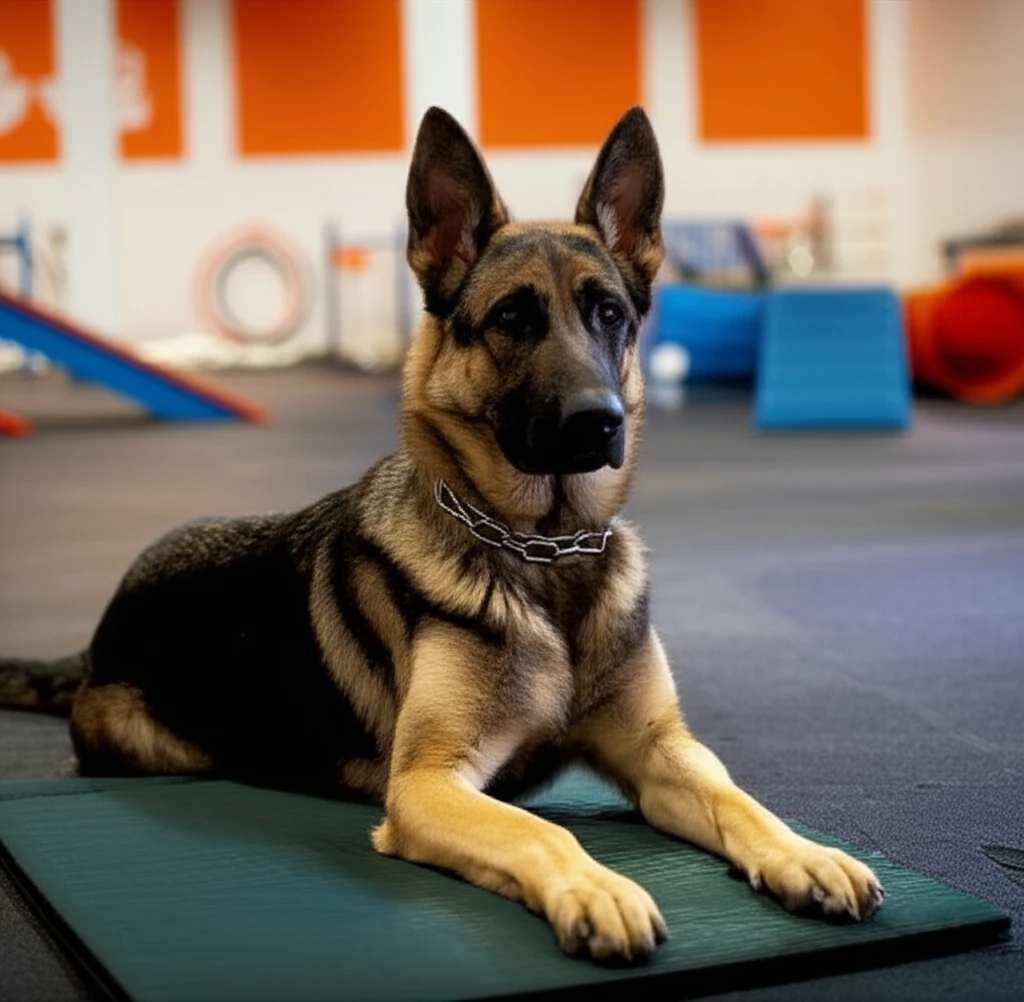
Why Fireworks Are So Hard for Dogs
Dogs hear at frequencies and volumes far beyond what humans can detect. What sounds like a festive boom to you can register as an overwhelming explosion to your dog. Fireworks combine everything that noise-sensitive dogs find most distressing: sudden onset, unpredictable timing, vibrations they can feel in their body, bright flashes, and the smell of sulfur and gunpowder.
Unlike a thunderstorm, which builds gradually and gives a dog time to register changes in barometric pressure and wind, fireworks come out of nowhere. There is no warning rumble. One moment everything is quiet, and the next moment the sky is exploding. For a dog who already has noise sensitivity, this unpredictability is the worst part. They cannot anticipate when the next bang is coming, so they stay in a heightened state of alert for the entire event.
Noise phobia tends to worsen over time without intervention. A dog who was slightly nervous about fireworks at age two may be in full panic mode by age five. Each negative experience reinforces the fear response, and the brain gets more efficient at triggering it. This is why waiting for your dog to "get used to it" does not work. Without active help, the trend goes in the wrong direction.
Preparing Your Dog Before the Event
The best time to help your dog with fireworks is weeks or months before the fireworks actually start. Noise desensitization is the process of gradually exposing your dog to recorded firework sounds at a low volume while pairing the sounds with something your dog loves. Start with the volume so low that your dog notices the sound but does not react to it. Treat generously. Over multiple sessions, slowly increase the volume. If your dog shows stress at any point, you have gone too far. Drop the volume back down and work at that level longer.
This approach works because you are changing your dog's emotional response to the sound. You are building a positive association where firework sounds predict good things. It is the same desensitization and counter-conditioning process used for any fear-based behavior, and it takes time. Starting a desensitization program on July 3rd is too late. Start in May or earlier.
If your dog has a crate they love, that crate becomes their safe space during fireworks. Place it in the quietest, most interior room of your home. Drape a blanket over it to muffle sound and block visual stimuli from flashing lights. Add a familiar bed, a worn shirt that smells like you, and a long-lasting chew. The goal is to create a den-like environment where your dog feels enclosed and protected.
What to Do on the Night Of
Do not take your dog to the fireworks show. This seems obvious, but every year people bring their dogs to Fourth of July celebrations, outdoor concerts, or neighborhood firework displays. A dog who is already anxious about loud sounds does not need to be at the epicenter of them. Even dogs who seem "fine" with noise at home can panic in an unfamiliar outdoor setting with no escape route. Dogs who bolt in fear can run into traffic, get lost, or injure themselves on fences and barriers.
Keep your dog inside, in their safe space, well before the fireworks begin. Neighborhood fireworks often start hours before the official display, so do not wait until dark. Take your dog out for a good walk and bathroom break in the early afternoon, and bring them inside for the rest of the evening.
White noise, a fan, or calming music can help mask the sound of fireworks. There are playlists specifically designed for dogs that use steady, low-frequency tones to counteract sudden, high-frequency sounds. Close windows and blinds to reduce both noise and the visual stimulation of flashing lights. If your dog wants to be near you, let them. If they prefer their crate or a closet, let them go there. Do not force them out of a hiding spot to comfort them.
Stay calm yourself. Your dog reads your body language constantly. If you are tense, hovering, and anxious on their behalf, they pick up on it. Be present, be relaxed, and let your dog choose how close they want to be.
When to Talk to Your Vet About Medication
For dogs with severe noise phobia, behavioral management alone may not be enough. If your dog is panting, drooling, trembling uncontrollably, trying to escape the house, or injuring themselves during fireworks events, that level of panic requires veterinary support. This is not a failure of training. Some dogs have noise sensitivities that are neurological in nature, and they need pharmaceutical help to get through acute events safely.
Talk to your vet well in advance, not the day before the Fourth of July. There are several medication options, and your vet needs time to determine the right one for your dog, prescribe an appropriate dose, and ideally do a trial run before the actual event. Some anti-anxiety medications need to be given hours before the triggering event, so knowing the plan ahead of time matters.
Medication and behavior modification are not mutually exclusive. In fact, they work best together. A dog who is medicated enough to take the edge off their panic can actually benefit from desensitization work, because they are able to process the sound at a lower emotional intensity. Think of medication as a tool that creates a window for learning, not a replacement for it. Over time, many dogs who started with medication during fireworks events are able to reduce or eliminate it as their desensitization training progresses.
Building Long-Term Noise Confidence
Fireworks happen on predictable dates, which gives you the advantage of preparation. But the skills that help a dog through fireworks are the same skills that help with thunderstorms, construction noise, car backfires, and any sudden loud sound. Building general noise confidence benefits your dog year-round.
Dogs with separation anxiety are often more noise-sensitive because they are already in an elevated stress state when alone. Addressing the underlying anxiety makes fireworks and other noise events easier to manage. Dogs who have been well-socialized in structured environments, where they encountered a range of sounds at manageable levels, tend to recover from startle responses faster than dogs who were raised in quiet, isolated settings.
Structured socialization classes expose your dog to a variety of sounds, surfaces, and experiences in a controlled setting where every variable is managed. This is not about blasting your dog with noise. It is about building a dog who trusts that new sounds are not threats, because they have a history of encountering novel stimuli and finding out that good things followed. That confidence is the best fireworks insurance you can build. Find a Zoom Room near you to start building your dog's noise confidence before the next big event.
Frequently Asked Questions
Should I use a thunder shirt or calming wrap for fireworks?
Compression garments like thunder shirts work for some dogs and not others. The gentle, constant pressure can have a calming effect similar to swaddling a baby. If you want to try one, introduce it during calm, positive moments first so your dog associates the garment with relaxation rather than only wearing it during scary events. A thunder shirt is a management tool, not a solution on its own. It works best as part of a broader plan that includes a safe space, white noise, desensitization training, and potentially veterinary support for severe cases.
My dog seems fine with fireworks. Should I still take precautions?
Yes. Even dogs who appear unfazed by fireworks should be kept indoors during firework events. A dog who has been calm in the past can still be startled by a particularly close or loud firework and bolt. Dogs also become more noise-sensitive as they age, so a dog who was relaxed at three may react differently at six. Basic precautions like keeping your dog inside, making sure their ID tags and microchip information are current, and having a quiet space available cost nothing and prevent the worst-case scenario.
How do I know if my dog's firework fear is severe enough for medication?
If your dog's fear response includes any of the following, talk to your vet: uncontrollable trembling or panting, attempts to escape the house or yard, destructive behavior directed at doors, windows, or crates, self-injury, refusal to eat for extended periods, or loss of bladder or bowel control. Mild anxiety such as pacing, seeking closeness, or mild panting can often be managed with environmental modifications and desensitization. Severe panic that puts your dog at risk of injury needs veterinary support.
Ready to Build Your Dog's Noise Confidence?
Zoom Room's socialization classes and confidence-building programs help dogs learn to handle novel sounds and environments in a safe, controlled setting. Start preparing now, not the night before.
Find a Zoom Room