
How to Help a Dog Who Hates Being Groomed
Nail trims are the number one grooming anxiety trigger, and it is not even close. But whether your dog panics at the sight of clippers, thrashes during baths, or turns into a different animal the moment someone touches their paws, the underlying issue is the same: your dog has learned that grooming means something unpleasant is about to happen to their body. That association can be changed.
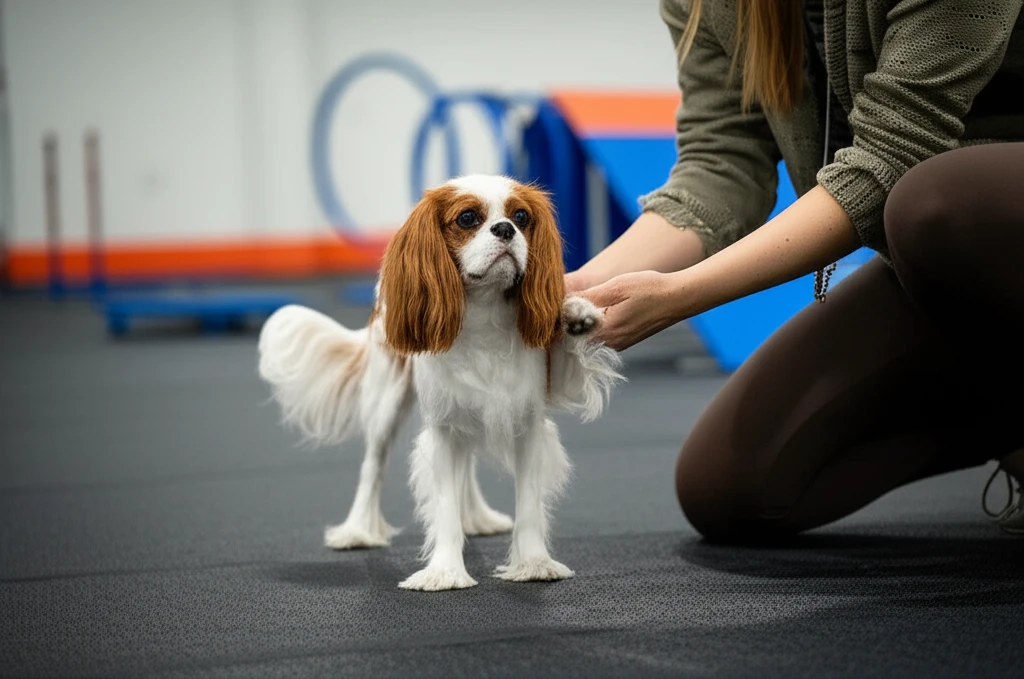
Why Grooming Becomes a Battle
Dogs do not come pre-loaded with an understanding that nail trims, ear cleaning, and brushing are routine maintenance. From your dog's perspective, grooming involves a person restraining their body, manipulating their most sensitive areas, and using loud, unfamiliar tools near their face and feet. Without deliberate preparation, the grooming experience is inherently stressful.
The problem compounds because of how most dogs are introduced to grooming. A puppy's first nail trim often happens at the vet or groomer before any desensitization work has been done. The puppy is restrained, a clipper squeezes their nail, it may hurt if the quick is nicked, and the puppy learns in one trial that nail clippers predict pain. One bad experience with a Dremel or a pair of clippers can create a fear that lasts years if it is not addressed.
Then the pattern gets reinforced. The next time grooming is needed, the dog resists. The owner or groomer pushes through the resistance to get the job done. The dog escalates their protest from squirming to growling to snapping. The human escalates their restraint. Each session becomes more adversarial than the last, and every forced grooming experience confirms your dog's belief that they need to fight harder next time. This is how a minor sensitivity becomes a full-blown grooming phobia.
Understanding this cycle is critical because it reveals the solution: you have to stop forcing through it and start rebuilding the association from scratch. The short-term cost of slowing down is far smaller than the long-term cost of a dog who needs sedation for every nail trim for the rest of their life.
Body Sensitivity: Where Your Dog Needs the Most Work
Not all body parts are created equal when it comes to handling sensitivity. Most dogs have specific zones that trigger the strongest reactions, and knowing your dog's map helps you prioritize your desensitization work.
Paws are the most universally sensitive area. Dogs need their feet for survival, and having them held, squeezed, or manipulated triggers a strong withdrawal reflex. This is why nail trims are the top grooming anxiety trigger. A dog who has never had their paws handled in a positive context is going to struggle when someone grips their foot and starts clipping.
Ears are the second most common sensitivity. The inside of the ear flap and the ear canal are delicate, and ear cleaning involves inserting liquid and cotton into a space the dog cannot see. Dogs with a history of ear infections are often more reactive because they associate ear handling with pain.
The face and muzzle area rank high as well. Trimming around the eyes, cleaning facial folds, and brushing near the mouth all require the dog to trust that something near their face is safe. This is the same body zone involved in muzzle training, which is why dogs who are telling you they are uncomfortable through hard eyes, lip curling, or head turns during facial grooming should be taken seriously.
The belly, tail base, and rear are sensitive for many dogs, particularly those who are not accustomed to being touched in those areas. Sanitary trims and undercoat work around the hindquarters can provoke strong reactions in dogs who have not been desensitized.
Start your handling practice with the areas your dog is least sensitive about and build toward the hot spots. If your dog tolerates shoulder touches but flinches at paw touches, begin your desensitization sessions with shoulders and gradually work your way down the legs over multiple sessions. The goal is to expand your dog's comfort zone outward from areas that already feel safe.
Desensitizing Your Dog to Grooming Tools
The tools themselves are a separate trigger from the handling. A dog who tolerates you touching their paws may still panic when clippers appear because the tool has its own negative association. You need to desensitize to the tool independently before combining it with the body part.
For nail clippers or a Dremel, start by placing the tool on the ground near your dog while you feed treats. Let them sniff it. Click the clippers (not near a nail, just in the air) and immediately treat. Turn on the Dremel across the room and treat. Over several sessions, bring the tool closer to your dog's body while maintaining the treat flow. Touch the clipper to a nail without cutting. Touch the turned-off Dremel to a nail. Then turn the Dremel on and touch it to one nail for one second. One nail. One second. Treat. Done for the day.
For brushes, the process is similar but usually faster because brushes are less scary than clippers. Present the brush, treat. Touch the brush to the dog's side, treat. One stroke, treat. Build to a full brushing session over several days. If your dog has mats that make brushing painful, address the mats first (a groomer can shave them out) so that brushing does not start with pain.
For bath anxiety, practice in a dry tub first. Let your dog stand in the tub, eat treats, and get out. Then add a small amount of lukewarm water. A lick mat with peanut butter stuck to the wall of the tub gives your dog something to focus on during the bath itself. The sound of running water is a trigger for some dogs, so start with water already in the tub rather than turning on the faucet with your dog in the splash zone.
The overarching principle is the same one used for any fear-based behavior: break the scary thing into its smallest components, pair each component with something your dog loves, and progress only when your dog is relaxed at the current level. Grooming tools are not inherently frightening. They become frightening through experience. And experience can be rewritten.
Cooperative Grooming: Giving Your Dog a Voice
Cooperative grooming flips the dynamic from "grooming is done to my dog" to "grooming is something my dog participates in." The key mechanism is a consent behavior: a specific position your dog holds to indicate they are ready for handling to continue.
The chin rest works well for grooming. Teach your dog to rest their chin on your hand, a towel, or a surface. While the chin is down, you touch a paw, handle an ear, or run a brush along their side. The moment the chin lifts, you stop. No corrections, no "put your head back down." You simply wait. When the chin returns, handling resumes. Your dog learns that they have a reliable off switch, and paradoxically, dogs who know they can stop are more willing to continue.
A paw target works specifically for nail trims. Teach your dog to place a paw on a target, like a small platform or your open hand. While the paw is on the target, you touch the nail, then clip one nail, then move to the next. If the paw withdraws, you wait for it to return. This gives your dog control over the process and transforms nail trims from a restraint battle into a training exercise.
Cooperative grooming takes longer per session than just holding the dog down and getting it done. But it takes dramatically less time over the long term because each session builds comfort rather than eroding it. A dog who cooperates in their grooming at age two is a dog who still cooperates at age ten. A dog who is forced through grooming at age two is a dog who needs sedation by age five. The math is clear.
If you are already in the forced-grooming cycle, you can still shift to a cooperative approach. It requires starting over, going slowly, and accepting that the transition period may mean your dog's nails are a little long or their coat is not perfect for a few weeks. That temporary imperfection is worth the permanent improvement in your dog's grooming experience. Professional guidance from a trainer experienced in cooperative care can accelerate the transition. At the groomer's end, look for professionals who practice cooperative care rather than relying on heavy restraint.
Building a Grooming Routine That Works
The best way to prevent grooming anxiety from developing, or to maintain progress after you have worked through it, is to make grooming a routine part of your dog's life rather than an event that happens once a month at a salon.
Short, frequent handling sessions beat long, infrequent ones. Two minutes of paw handling with treats after every evening walk adds up to more positive repetitions than a monthly trip to the groomer. A few brush strokes during a training session keeps the brush familiar. Wiping your dog's ears with a damp cloth once a week normalizes the sensation so the groomer's ear cleaning is not a shock.
Pair grooming with your dog's daily routine. Touch paws before meals. Brush after walks. Clean ears during a relaxed evening session. When grooming is embedded in activities your dog already enjoys, it stops being a separate, scary event and becomes background noise.
Use the grooming routine as a relationship builder. Every positive grooming session is a deposit in the trust account between you and your dog. Every forced session is a withdrawal. Over time, the balance of that account determines whether your dog walks into the grooming salon with a loose body and wagging tail or has to be dragged through the door.
If your dog's grooming anxiety is severe, if they have bitten during grooming, if nail trims require multiple adults to hold the dog down, or if your groomer has told you your dog needs sedation, it is time to bring in professional help. A trainer who understands desensitization and cooperative care can build a structured plan for your specific dog. Early socialization programs that include handling exercises give puppies a head start on grooming tolerance, but it is never too late to start the work with an adult dog. Find a Zoom Room near you to begin building the handling skills that make grooming a non-event for your dog.
Frequently Asked Questions
How do I trim my dog's nails if they panic every time?
Go back to basics and separate the skill into tiny steps. Start by touching your dog's paw and immediately giving a high-value treat, with no clippers present. Over multiple sessions, progress to holding the paw, then touching a clipper to a nail without clipping, then clipping one single nail and stopping. One nail per session is enough. Pair every step with treats. A scratch board, where your dog drags their nails across sandpaper for a treat, can also file nails without clippers entirely. If the anxiety is severe, ask your vet about doing trims with anti-anxiety medication on board until desensitization progress allows you to do it calmly at home.
Is it okay to sedate my dog for grooming?
Sedation is a legitimate tool for dogs whose grooming anxiety is so severe that the experience causes extreme distress or poses a safety risk to the dog and groomer. It is not a failure. However, sedation alone does not fix the underlying anxiety. Ideally, use sedation as a bridge while you do the desensitization and cooperative care work that will eventually reduce or eliminate the need for it. Talk to your vet about the safest sedation options for your dog, and work with a trainer simultaneously to build positive associations with grooming tools and handling so that each future grooming experience requires less pharmaceutical support.
My dog is fine with brushing but hates baths. Why?
Baths involve a combination of triggers that brushing does not: water, confinement in a tub, loud faucet sounds, slippery surfaces, and the feeling of being wet. Any one of these can be the primary issue. Try isolating the trigger by letting your dog stand in a dry tub with treats, then adding a non-slip mat, then a small amount of warm water. If the faucet sound is the problem, fill the tub before your dog gets in and use a pitcher to pour water gently. A lick mat with peanut butter stuck to the tub wall gives your dog something to focus on. Desensitize each element separately before combining them into a full bath.
Ready to Make Grooming Easier for Your Dog?
Zoom Room's training classes include handling exercises and body confidence work that directly translate to calmer grooming experiences. Build cooperative care skills alongside your dog with professional coaching.
Find a Zoom Room