
How to Stay in a Hotel with Your Dog
A dog-friendly hotel means they will allow your dog inside. It does not mean the room is designed for dogs or that the staff is prepared for barking at 2 AM. A successful hotel stay depends on the preparation you bring with you, not the pet policy.
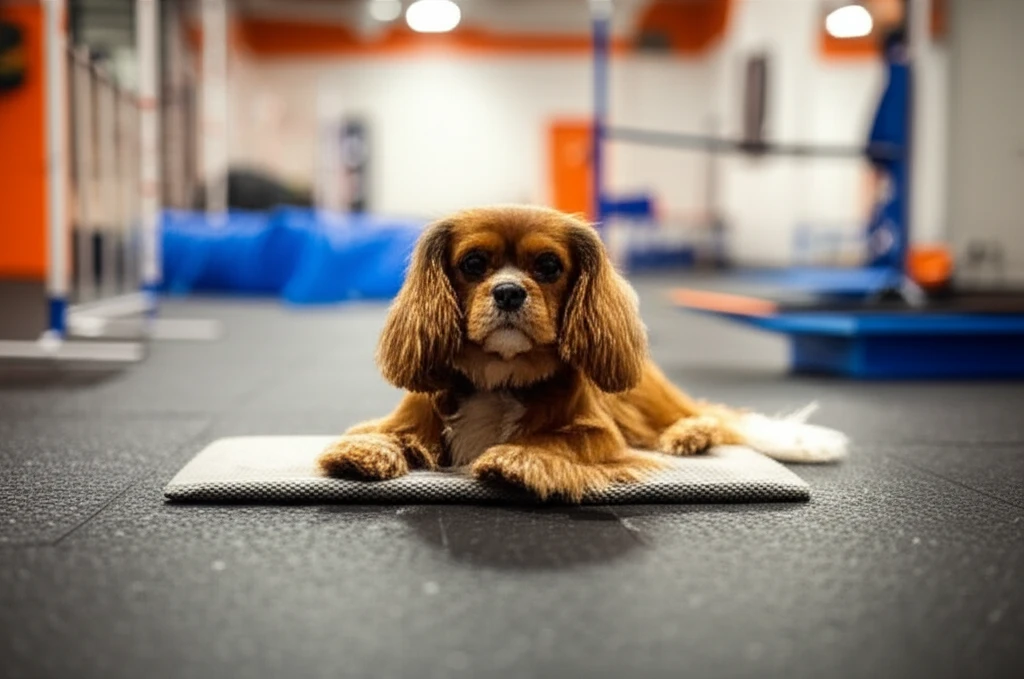
What to Pack for Your Dog
Packing for your dog is not about bringing their entire life with you. It is about bringing the specific items that help them feel settled in an unfamiliar space. Your dog's bed or a blanket that smells like home is the most important item. Familiar scent is how dogs identify safe spaces, and a bed that smells like your living room tells your dog that this strange new room is connected to their normal life.
Bring their regular food in a sealed container, enough for the duration of the stay plus one extra day. A change in diet on top of a change in environment is a recipe for digestive upset. Bring their normal bowls, not a new collapsible travel bowl they have never used. Familiar items reduce novelty. Bring a few favorite toys and at least two long-lasting chews or stuffed Kongs. You will need these when housekeeping knocks or when you step out briefly.
If your dog is crate trained, bring the crate. This is the single most valuable tool for a hotel stay. A dog who associates their crate with safety and rest will settle in a hotel room the same way they settle at home: they go into their crate, lie down, and relax. A collapsible wire or soft-sided crate works well for travel. If you cannot bring a crate, bring a familiar mat or bed that your dog has practiced settling on.
Do not forget waste bags, a lint roller for the furniture, an enzyme cleaner for accidents, your dog's medications, a copy of vaccination records, and an extra leash. Some hotels require proof of vaccinations at check-in.
Settling Into the Room
When you first arrive, do not dump your luggage and let your dog explore freely while you unpack. Instead, take your dog for a walk around the hotel grounds first. Let them sniff the area, relieve themselves, and get a sense of the outdoor environment. Then bring them into the room on leash.
Set up your dog's space before you let them loose. Place their bed or crate in a quiet corner, away from the door if possible. Put their water bowl down. Give them a minute to sniff the room and acclimate. If you brought their crate, leave the door open and toss a few treats inside so they can discover it on their own terms. The goal is a calm, structured introduction to the room, not a frantic investigation of every corner.
The area near the door is a hot zone in a hotel room. Housekeeping, neighboring guests, and hallway foot traffic all happen right outside. A dog parked near the door will alert-bark at every sound. Position your dog's resting area as far from the door as the room allows. If your dog tends to bark at hallway sounds, a white noise machine or a fan can mask enough of it to keep them settled. Practice your calm settle cue as soon as you are set up, so your dog knows that the rules from home apply here too.
Hotel Etiquette with a Dog
Being a good guest with a dog means your dog should be nearly invisible to the hotel staff and other guests. That starts with noise. If your dog barks when left alone, do not leave them alone in the hotel room. A barking dog in a hotel can result in complaints, fees, or being asked to leave. If you need to go to breakfast or run an errand, your dog should be crated or settled, with a Kong or chew to keep them occupied, and you should keep the trip short.
Keep your dog on leash in all common areas: the lobby, hallways, elevators, and grounds. Not everyone staying at a dog-friendly hotel is comfortable with dogs, and a dog who approaches guests uninvited creates problems. Pick up after your dog immediately, every single time. Carry waste bags in your pocket so you are never caught without one.
Protect the room. Cover the bedding with a sheet or blanket you brought from home if your dog will be on the bed. Wipe muddy paws before entering. Do not leave your dog unattended on the furniture where they might chew or scratch. If there is an accident, clean it up thoroughly with your enzyme cleaner and report any damage to the front desk honestly. The pet deposit exists for this reason, and transparency keeps dog-friendly hotels dog-friendly for the next guest.
If housekeeping needs to come in, either be present with your dog or crate your dog and put the "do not disturb" sign on the door until you can be there. A stranger entering the room is a significant trigger for most dogs. Plan around it rather than testing it.
Airbnb and Vacation Rentals with a Dog
Vacation rentals have different dynamics than hotels. You often have more space, a yard, and a kitchen, which can make things easier. But you also have less insulation from neighbors, unfamiliar appliances and sounds, and sometimes a property that is not truly dog-proofed despite being listed as pet-friendly.
When you arrive, do a walkthrough before your dog enters. Check for open gates, toxic plants in the yard, accessible trash cans, and anything at dog height that could be chewed or swallowed. Verify that the yard is fully fenced if the listing says it is. Close doors to rooms you do not want your dog accessing. Then introduce your dog the same way you would a hotel room: walk the perimeter outside first, then a controlled introduction to the interior.
The same settling principles apply. Set up their space. Maintain their routine. Keep them off furniture unless you have brought a cover. Leave the rental cleaner than you found it. A good experience for the host means they keep accepting dogs, which benefits every dog owner who travels after you.
If your dog has separation anxiety, a rental where you can bring them everywhere with you is generally less stressful than a hotel where you might need to leave them in the room. Factor your dog's specific needs into the type of accommodation you book, not just the pet policy.
Planning Ahead for Exercise and Enrichment
A travel day is a long day for a dog. Hours in the car or at the airport followed by a new environment means your dog has been managing stress and novelty for an extended period. They need an outlet, and a tired dog settles better in a new room than a pent-up one.
Before your trip, research exercise options near your hotel. Look for nearby parks, walking trails, or open spaces where your dog can stretch their legs. Some cities have dog-friendly beaches or off-leash areas. Plan your first outing for shortly after check-in so your dog can burn off travel energy before you ask them to settle in the room for the evening.
Enrichment is just as important as physical exercise during hotel stays. Your dog is spending more time in a small space than they are used to, and boredom leads to barking, chewing, and restlessness. Pack extra Kongs, a lick mat, or a puzzle toy to keep their brain busy during downtime. Rotate through different enrichment items so each one stays interesting.
If you are staying more than a couple of nights, build a mini routine. Morning walk, breakfast, enrichment, midday outing, afternoon rest, evening walk. Your dog does not know they are on vacation. They just know whether or not their day has structure. Give them that structure and the hotel stay goes smoothly for everyone. Find a Zoom Room near you to build the crate training and settle skills that make traveling with your dog genuinely enjoyable.
Frequently Asked Questions
Can I leave my dog alone in a hotel room?
It depends on your dog. A dog who is crate trained and comfortable being alone at home can usually handle a short period alone in a hotel room, provided they are in their crate with a chew or Kong. Keep the absence brief, under an hour for the first attempt, and gradually extend if your dog handles it well. If your dog barks when left alone, has separation anxiety, or is not crate trained, do not leave them alone in a hotel room. The noise will disturb other guests and may result in complaints or extra charges. Some hotels explicitly prohibit leaving dogs unattended.
What if my dog has an accident in the hotel room?
Clean it up immediately and thoroughly with an enzyme-based cleaner, which breaks down the proteins in urine and eliminates the odor so your dog is less likely to go in the same spot again. Blot rather than scrub carpet. Report any staining or damage to the front desk. Most pet-friendly hotels charge a deposit or cleaning fee that covers minor incidents. Accidents in a new environment are not unusual, especially on the first night. Take your dog out more frequently than you would at home, and supervise them in the room until they have settled into a routine.
How do I find truly dog-friendly hotels?
Look beyond the pet policy listed on booking sites. Call the hotel directly and ask specific questions: Is there a weight or breed limit? Is there a nightly pet fee? Are dogs allowed in common areas? Is there a green space nearby for walks? Read reviews from other dog owners. A hotel that technically allows dogs but charges steep fees, restricts them to certain room types, and has no nearby outdoor space is not genuinely dog-friendly. Boutique hotels and certain chains are often more accommodating than others. Vacation rental platforms let you filter for pet-friendly listings and read host reviews.
Ready to Travel with Confidence?
Zoom Room's crate training and settle classes build the exact skills your dog needs to be a calm, polite hotel guest. Train before you travel.
Find a Zoom Room