
Preparing Your Dog for a New Baby
A new baby changes everything in your home, including your dog's world. The preparation you do in the months before the baby arrives determines whether the transition is smooth or stressful. Start early, be honest about your dog's behavior, and plan ahead.
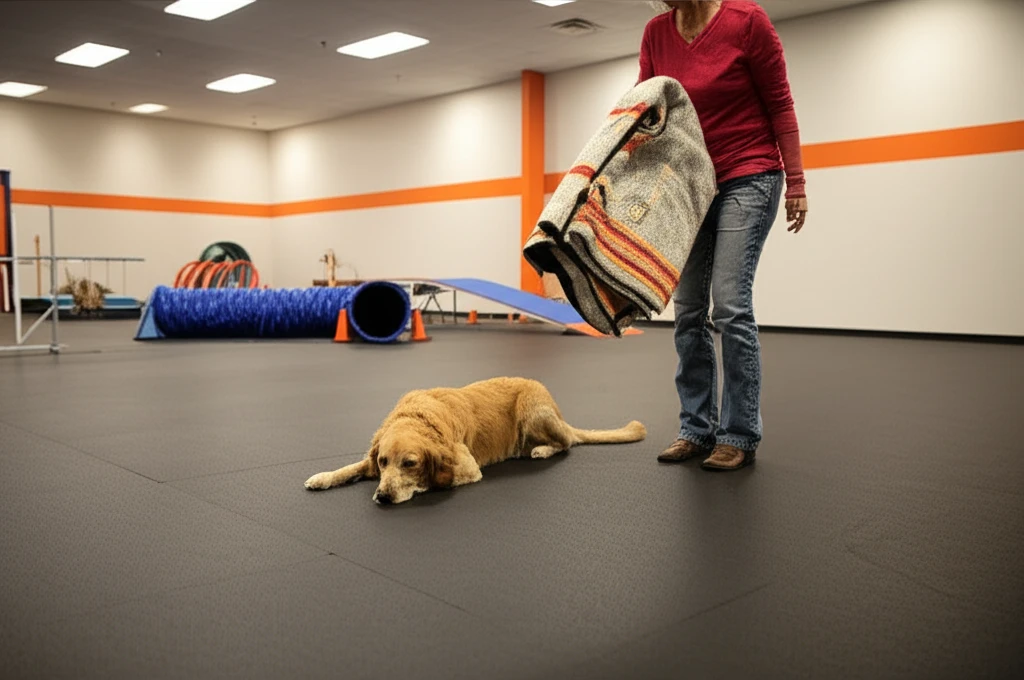
Start Preparing Months Before the Baby Arrives
The biggest mistake families make is waiting until the baby is home to start adjusting the dog's life. By that point, you are sleep-deprived, overwhelmed, and your dog is experiencing a sudden flood of changes with no preparation. The time to start is during pregnancy, ideally in the second trimester, when you have the energy and bandwidth to be consistent.
Begin by honestly assessing your dog's current behavior. Does your dog jump on you when you sit down? Do they climb into your lap uninvited? Do they guard toys, food, or resting spots? Do they react to high-pitched sounds or sudden movements? Are they comfortable being moved off furniture or away from you? Any behavior that is mildly inconvenient now becomes a safety concern with a newborn in the picture. A dog who guards their spot on the couch is a different situation entirely when a baby is on that couch.
Address these behaviors before the baby arrives, not as a reaction to the baby's presence. If your dog needs work on impulse control, start now. If your dog has never been asked to settle on a mat while you are busy, start practicing. If your dog has no experience with a crate or a baby gate, introduce those tools during pregnancy so they are routine by the time the baby comes home.
Sound Desensitization and Schedule Changes
Babies cry. They cry loudly, at unpredictable intervals, in a frequency range that many dogs find alarming. If your dog has never heard a baby cry, the first time should not be at 3 AM when a real baby is screaming and everyone is exhausted.
Play recordings of baby sounds at a low volume during positive moments, like mealtimes or treat sessions. Baby crying, cooing, laughing, and babbling are all worth introducing. Start quiet and gradually increase the volume over several weeks. You are building a neutral or positive association with these sounds so that when the real thing happens, your dog's response is curiosity rather than alarm or anxiety.
Start adjusting your dog's schedule now to match what life will look like with a baby. If your dog currently gets a 45-minute walk every morning at 7 AM and that will not be possible with a newborn, start shifting the walk to a time and duration that is sustainable. If your dog will be getting less direct attention once the baby arrives, begin gradually reducing the amount of undivided one-on-one time now, rather than creating a sudden drop-off that your dog associates with the baby's arrival.
This is not about depriving your dog. It is about preventing them from experiencing the baby as the thing that made all the good stuff disappear.
Space Management and Physical Boundaries
The nursery should not be a free-access room for your dog. Set up a baby gate or keep the door closed months before the baby arrives, so your dog learns that this room has boundaries long before the baby is in it. If you wait until the baby is home to start blocking access, your dog may associate the restriction with the baby and become more fixated on getting in.
Teach your dog that the baby's things, the crib, the swing, the bouncer, the play mat, are off-limits. Practice this during pregnancy with the actual baby gear in place. Reward your dog for being near the equipment without interacting with it. If your dog tries to jump into the bouncer or chew on a stuffed animal that belongs to the baby, redirect calmly. This is impulse control practice with real-world stakes.
A crate or designated dog space becomes essential. When you are feeding the baby, changing the baby, or just need both hands free, your dog needs somewhere safe and comfortable to be. That space should already be a positive place your dog chooses to go, not a place they are banished to when the baby needs attention. Build that association now. Every time your dog settles in their crate or on their bed, good things happen: a Kong, a chew, a quiet moment of peace.
Reading Your Dog's Body Language Around the Baby
This is the most critical skill for any household with a dog and a baby. You need to be fluent in canine body language because your dog is going to communicate their comfort level constantly, and most of those signals are subtle enough that tired new parents miss them.
A relaxed dog near a baby has a loose body, soft eyes, and a gently wagging tail held at a neutral height. A stressed dog shows tension: a stiff body, hard eyes, a closed mouth, ears pinned back, yawning, lip licking, or turning their head away. A whale eye, where you can see the white of your dog's eye, is a clear signal that your dog is uncomfortable with whatever is happening. A freeze, where your dog goes completely still while staring at the baby, is a serious warning sign that demands immediate, calm intervention.
Never leave your dog and your baby unsupervised. This is a non-negotiable rule regardless of how much you trust your dog. It applies to the gentlest golden retriever and the smallest Chihuahua. It applies when the baby is in a crib, in a swing, or on a blanket on the floor. It applies even when things have been going perfectly for months. Dogs are animals with instincts and thresholds, and babies are unpredictable. A baby who grabs a handful of ear, pokes an eye, or rolls onto a sleeping dog can trigger a reflexive response from even the most tolerant dog. Supervision is your safety net. It is always in place.
The Adjustment Period and Building the Relationship
When the baby comes home, bring a blanket or piece of clothing with the baby's scent home first if possible. Let your dog sniff it. This is not magical bonding; it is giving your dog information about the new scent before they encounter it attached to a small, noisy human.
Keep the first introduction calm and low-key. One parent holds the baby, the other manages the dog on a leash. Let your dog approach at their own pace. Reward calm, relaxed behavior with treats and a calm voice. If your dog is overly excited, create distance and try again when they are calmer. If your dog seems fearful or avoidant, do not force the interaction. Let them observe from a distance and approach when they are ready.
In the weeks that follow, make sure good things happen when the baby is present. Your dog gets a treat when the baby cries. Your dog gets a walk when the baby is in the stroller. Your dog gets a chew when you are nursing or bottle-feeding. You are building the association that the baby's presence predicts good things for the dog, not the loss of good things.
This adjustment takes time. Some dogs are relaxed with the baby from day one. Others need weeks or months to settle into the new family structure. Both responses are normal. What matters is that you are managing the environment, reading your dog's signals, and maintaining your dog's training foundation through the transition. If at any point your dog shows persistent stress, fear, or concerning behavior around the baby, seek help from a professional trainer immediately. Find a Zoom Room near you to start preparing your dog for the newest member of your family.
Frequently Asked Questions
When should I start preparing my dog for a new baby?
Start in the second trimester if possible, which gives you roughly four to five months of preparation time. This is enough time to address any existing behavior issues, desensitize your dog to baby sounds, adjust schedules, set up physical boundaries, and practice new routines. Dogs need repetition to build new habits, and rushing the process in the last few weeks of pregnancy means everything feels sudden and stressful. The earlier you start, the more natural the changes feel to your dog by the time the baby arrives.
Should I let my dog sniff the baby?
Yes, but in a controlled way. Have one person hold the baby securely while the other person manages the dog on a leash. Let your dog approach and sniff from a comfortable distance. Reward calm, relaxed behavior. Do not hold the baby down to the dog's level or let the dog lick the baby's face. If your dog is overly excited, increase the distance and try again when they have settled. If your dog is avoiding the baby, do not force the interaction. Let them observe from a distance and approach on their own timeline.
My dog has never shown aggression. Do I still need to supervise them with the baby?
Yes, always. Supervision is non-negotiable regardless of your dog's history. Dogs who have never shown aggression can still have a reflexive response to a baby who grabs their ear, pokes their eye, falls on them, or screams in their face at close range. These are situations your dog has never encountered before, and their reaction is unpredictable no matter how gentle they have been in every other context. Supervision means you are present, attentive, and able to intervene instantly. It does not mean being in the next room within earshot.
Preparing for a New Arrival?
Zoom Room's training programs build the impulse control, settle skills, and confidence your dog needs to thrive alongside a new baby. Start preparing your dog today.
Find a Zoom Room