
Senior Dog Care: Your Dog Never Stops Learning
An older dog is not a retired dog. Senior dogs can learn new cues, enjoy new enrichment, and benefit from training just as much as they did when they were young. The approach changes, but the commitment does not.
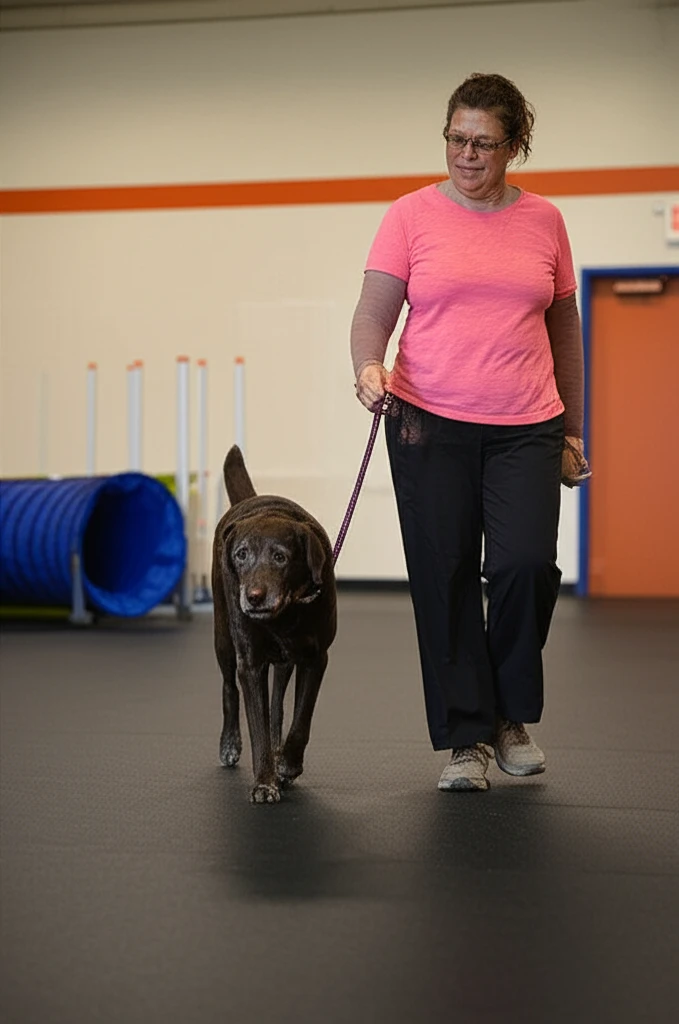
When Does a Dog Become a Senior?
There is no single age where every dog becomes a senior. Small breeds tend to live longer and may not show signs of aging until ten or twelve years. Large and giant breeds age faster and may be considered seniors by six or seven. Medium breeds fall somewhere in between. Rather than fixating on a number, watch for the changes: graying around the muzzle, slower to get up in the morning, less enthusiasm for a long walk, more time spent sleeping, and a gradual shift in energy that tells you your dog's body is changing.
These changes do not mean your dog's quality of life is declining. They mean your dog's needs are shifting, and your job is to shift with them. A seven-year-old Lab who used to sprint for an hour at the park may now prefer a 30-minute walk with extra sniffing time. A ten-year-old terrier who used to tear through agility courses may now prefer a gentle nose work session. Both dogs are still engaged, still learning, and still enjoying life. The package just looks a little different.
Adapting Exercise for an Aging Body
The biggest mistake people make with senior dogs is an all-or-nothing approach: either continuing the same high-impact exercise routine that worked at three years old, or stopping exercise altogether because the dog seems "old." Neither serves your dog. What they need is adaptation.
Reduce impact. Swap long runs for shorter walks. Replace high jumps with low-impact activities. Swimming, if your dog enjoys it, is excellent exercise for seniors because it is easy on joints while still providing a full-body workout. Fitness exercises like balance work on wobble boards, controlled step-ups onto low platforms, and gentle stretching help maintain muscle mass and joint flexibility without the jarring impact of running and jumping.
Watch for signs that your dog is overdoing it. Limping after exercise, reluctance to go on walks they used to love, difficulty with stairs, and stiffness that does not resolve after a short rest are all signals to pull back and reassess. Arthritis is common in senior dogs, and exercise should work within the limits of your dog's comfort, not push past them. Your vet can help you determine what is appropriate for your dog's specific condition.
Shorter, more frequent outings are often better than one long session. Three 15-minute walks spread throughout the day may suit your senior dog better than one 45-minute hike. This approach keeps them moving without exhausting them, and it provides more opportunities for mental stimulation throughout the day.
Cognitive Enrichment for Aging Brains
Cognitive decline in dogs is real. Canine cognitive dysfunction, sometimes called dog dementia, affects a significant percentage of dogs over the age of eleven. Symptoms include disorientation, changes in sleep patterns, house-training regression, decreased interaction with family members, and staring into space. While cognitive decline cannot always be prevented, keeping the brain active can slow its progression, just as mental engagement helps maintain cognitive function in aging humans.
Enrichment activities are even more important for senior dogs than for young ones. Nose work is particularly valuable because it engages the olfactory system, which is directly connected to the brain's limbic system. A simple scent game where you hide treats around the house gives your senior dog a purpose-driven activity that exercises their brain without stressing their body. You can increase the difficulty gradually, hiding treats in harder locations or using scent containers.
Keep teaching new things. The idea that old dogs cannot learn new tricks is a myth. Senior dogs absolutely can learn new cues, new games, and new behaviors. Trick training is gentle, low-impact, and mentally stimulating. Teaching your twelve-year-old dog to touch a target, spin in a circle, or wave a paw gives them a cognitive challenge and deepens your bond. Keep sessions short, five to ten minutes, and keep expectations realistic. The goal is engagement, not perfection.
Puzzle feeders, snuffle mats, and food-dispensing toys turn mealtimes into brain games. Instead of eating from a bowl in two minutes, your senior dog spends fifteen minutes working for their food. This kind of daily cognitive exercise is one of the simplest and most effective things you can do for an aging brain.
Recognizing and Responding to Mobility Changes
Mobility decline is gradual, which means it is easy to miss until it becomes significant. Pay attention to subtle changes: your dog hesitating before jumping onto the couch, taking the stairs more slowly, shifting their weight off one leg, or getting up stiffly after a nap. These are early signs of joint discomfort, and addressing them early makes a real difference in your dog's long-term comfort.
Environmental modifications help immediately. Ramps or pet stairs next to the bed or couch reduce the impact of jumping. Non-slip mats on hardwood or tile floors give your dog traction and reduce the anxiety that comes with slipping. An orthopedic dog bed with supportive foam cushions arthritic joints better than a flat pad. Raised food and water bowls reduce the strain of bending down for dogs with neck or back discomfort.
Talk to your vet about pain management. Dogs are stoic and do not show pain the way humans do. A dog who is slowing down on walks may be in more discomfort than they are letting on. Joint supplements, anti-inflammatory medications, physical therapy, acupuncture, and laser therapy are all options that can significantly improve your senior dog's quality of life. Pain management is not optional for senior dogs with mobility issues. It is a welfare necessity.
Continue training through mobility changes. Adjust the physical requirements but keep the mental engagement. A dog who can no longer do agility can still do nose work. A dog who cannot run can still practice recall at a walk. A dog with limited mobility can still learn hand-target games and settle exercises. The training does not stop. It adapts.
Adjusting Your Routine for Your Senior Dog
Senior dogs thrive on routine even more than younger dogs. A predictable schedule reduces anxiety, supports digestion, and helps dogs with cognitive decline orient themselves in time. Keep mealtimes, walk times, and bedtime consistent. If your senior dog is having nighttime restlessness or house-training regression, a more structured evening routine with a final walk, a light snack, and a calm settling period can help.
Veterinary care becomes more frequent with age. Most vets recommend biannual checkups for senior dogs rather than annual ones. Blood panels, joint assessments, dental evaluations, and weight monitoring catch developing issues before they become serious. Early detection of kidney disease, thyroid problems, or arthritis means earlier treatment and a better quality of life.
Adjust your expectations without lowering your standards. Your senior dog may take longer to respond to cues, may need more repetitions to learn something new, and may tire faster during training sessions. That is normal. What has not changed is their ability to enjoy working with you, to feel the satisfaction of earning a reward, and to benefit from the mental stimulation that training provides. A senior dog who is still learning is a senior dog who is still living fully.
Find a Zoom Room near you to discover gentle, age-appropriate training and enrichment for your senior dog. Our trainers understand how to adapt exercises for aging bodies while keeping aging brains sharp and engaged.
Frequently Asked Questions
Can senior dogs still attend training classes?
Yes. Senior dogs benefit from training classes just as much as younger dogs, and many training facilities offer classes or programs tailored to older dogs. The physical requirements are adjusted, but the mental engagement, social exposure, and handler-dog bonding are exactly the same. Look for classes that emphasize low-impact activities like nose work, trick training, and calm settle exercises. If your senior dog has mobility limitations, let the trainer know so they can modify exercises appropriately.
How do I know if my senior dog is in pain?
Dogs are stoic and often hide pain until it is significant. Watch for subtle signs: reluctance to jump or use stairs, stiffness after rest, slower pace on walks, changes in posture, decreased appetite, increased panting or restlessness, licking at a specific area, and reluctance to be touched in certain spots. A dog who was always eager for a walk and now hesitates at the door may be experiencing joint discomfort. Any change in your senior dog's behavior or activity level warrants a vet visit. Regular checkups every six months help catch pain and discomfort before it becomes severe.
What is canine cognitive dysfunction and can it be treated?
Canine cognitive dysfunction is a progressive neurological condition similar to dementia in humans. Symptoms include disorientation, changes in sleep-wake cycles, house-training regression, reduced interaction with family, anxiety, and repetitive behaviors like pacing. While there is no cure, the progression can be slowed with a combination of mental enrichment, physical exercise, a brain-supporting diet rich in antioxidants and omega fatty acids, and in some cases, medication. Early intervention is key. If you notice cognitive changes in your senior dog, talk to your vet promptly.
Keep Your Senior Dog Sharp
Zoom Room offers gentle, age-appropriate training and enrichment that keeps your senior dog's brain active and body comfortable. Training does not have an expiration date.
Find a Zoom Room