
How to Train an Australian Shepherd
Australian Shepherds are brilliant. That's the good news and the bad news. They learn faster than you can teach, pick up patterns you didn't intend to create, and will absolutely find their own job if you don't give them one.
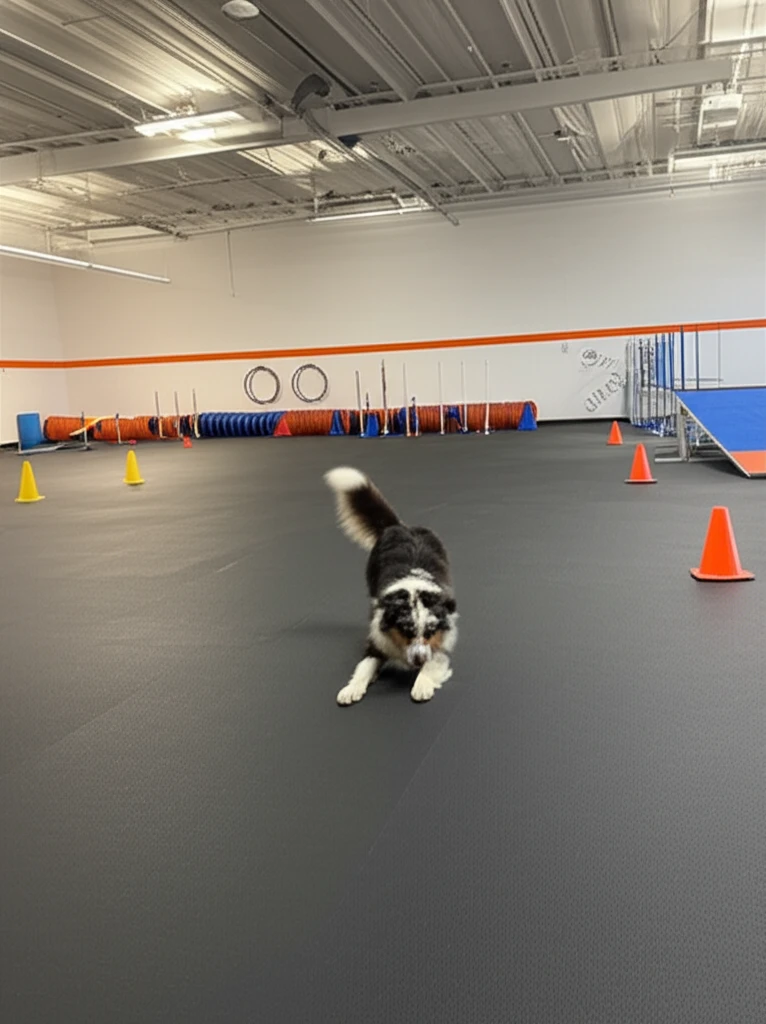
The Problem With a Dog That's Smarter Than the Plan
Australian Shepherds were bred to manage livestock across vast, unpredictable terrain. That required a dog who could read situations, make decisions independently, and adapt on the fly. Your Aussie still has all of that cognitive horsepower, and it's running full speed whether or not you've given it a direction.
This is the breed that learns to open doors, figures out which shoes you wear before walks (and brings them to you at 6 AM), and memorizes your entire pre-departure routine. That intelligence is thrilling when it's channeled and exhausting when it's not. The owners who struggle with Aussies aren't the ones with difficult dogs — they're the ones who underestimated how much mental engagement this breed requires.
Positive reinforcement training gives you a framework for channeling that intelligence productively. But standard obedience alone won't cut it. Your Aussie needs training that escalates in complexity as they master each level. If you're still drilling sit-stay after the first week, your Aussie checked out three days ago.
The Herding Drive: It's Not Going Away
Your Australian Shepherd's herding instinct is not a behavioral problem — it's the core operating system. When your Aussie nips at your kids' heels, circles joggers, or tries to organize the dogs at the park into a group, that's centuries of genetic programming doing exactly what it was designed to do. You can't train it out. You can redirect it.
Urban herding — using large exercise balls that your dog moves around a course — is one of the most effective outlets for an Aussie's herding drive. It gives them the physical movement, mental decision-making, and purposeful work they were built for, all without a sheep in sight. Agility is another outstanding option because it channels that same combination of athleticism and handler-responsiveness into a structured activity.
Without an appropriate outlet, the herding drive will express itself in ways you don't want: nipping, chasing, body-slamming other dogs to control their movement, or obsessive circling. Give your Aussie a job, and the unwanted behaviors typically resolve on their own because the underlying need is being met.
Exercise Is Not Enough (Mental Work Is the Missing Piece)
Here's where most Aussie owners go wrong: they assume that enough physical exercise will produce a calm dog. So they run their Aussie five miles a day, and all they get is a fitter dog who's still bouncing off the walls. Physical exercise without mental stimulation just builds a better athlete with the same unmet needs.
Your Aussie needs their brain tired, not just their legs. Puzzle toys, nose work, clicker training for complex behavior chains, and training sessions that require problem-solving all contribute to genuine mental fatigue. A fifteen-minute training session where your Aussie has to think hard will settle them more effectively than an hour-long run.
The ideal routine combines moderate physical exercise with dedicated mental work. A walk plus a training session. A game of fetch plus a puzzle feeder. Agility class, which demands both physical and mental engagement simultaneously, is practically custom-designed for this breed. The goal is a dog who is both physically satisfied and mentally fulfilled.
Socialization: Preventing Wariness With Strangers
Aussies bond deeply with their people, which is one of their most endearing qualities. The flip side is that many Aussies are naturally reserved with strangers. Without proactive socialization, that reserve can harden into avoidance or reactive behavior when encountering unfamiliar people or dogs.
Socialization for an Aussie should be deliberate and ongoing. Expose them to a wide range of people — different ages, appearances, and body language — in positive, low-pressure contexts. Let your Aussie observe from a comfortable distance before approaching. Never force an interaction with someone your Aussie is unsure about. Forced greetings teach your dog that their discomfort doesn't matter, which erodes trust and makes the wariness worse.
Group training classes in an indoor facility provide exactly the right kind of socialization for Aussies: regular exposure to unfamiliar dogs and people in a structured, predictable environment. Over time, your Aussie learns that new faces are part of the routine, not a reason for concern. If your Aussie is already showing signs of leash reactivity toward strangers or other dogs, working with a trainer on a structured desensitization plan will be more effective than hoping they grow out of it.
Give Your Aussie the Job They Were Born to Do
The happiest Australian Shepherds are the ones with a purpose. That doesn't mean you need a flock of sheep. It means finding activities that engage your Aussie's natural drives — the desire to work with a handler, solve problems, and move with purpose.
Agility is arguably the best sport for Aussies. It combines physical athleticism, handler communication, and rapid decision-making into a fast-paced activity that Aussies take to immediately. Urban herding gives them a direct outlet for their herding instinct. Trick training, scent work, and even therapy dog training (for Aussies with solid socialization) can all serve as meaningful work.
At Zoom Room, our training programs include agility courses, urban herding, and advanced obedience — all in an indoor environment that keeps your Aussie focused and eliminates weather disruptions. Find a Zoom Room near you and give your Australian Shepherd the outlet their brain and body have been asking for.
Frequently Asked Questions
How do I stop my Australian Shepherd from herding children and other pets?
You redirect the herding instinct rather than trying to eliminate it. The nipping and circling behavior is deeply hardwired, and suppressing it without providing an alternative just creates frustration. Teach a solid "leave it" cue for immediate management, then invest in activities that give the herding drive a proper outlet — urban herding with exercise balls, agility, or structured fetch with directional cues. When your Aussie's herding needs are met through appropriate channels, the impulse to herd your kids typically decreases significantly.
How much exercise does an Australian Shepherd need?
An adult Aussie needs about one to two hours of daily activity, but the type of exercise matters more than the amount. Physical exercise alone — even a lot of it — won't satisfy this breed. You need to include mental stimulation: training sessions, puzzle toys, nose work, or a structured activity like agility. A thirty-minute training session that makes your Aussie think hard is more tiring than an hour of running. Aim for a mix of physical and mental work every day.
Are Australian Shepherds good for first-time dog owners?
Aussies can work for first-time owners who go in with realistic expectations and a commitment to ongoing training. They're not a low-maintenance breed. They need daily mental stimulation, consistent training, regular socialization, and a physical outlet for their energy. First-time owners who succeed with Aussies are typically active people who are excited about training as an ongoing activity, not a one-time puppy class. Enrolling in structured group classes from the start gives you professional guidance and keeps your Aussie's socialization on track.
Ready to Get Started?
Zoom Room offers agility, urban herding, and advanced training programs built for high-drive breeds like Australian Shepherds. Find a location near you and give your Aussie the outlet they need.
Find a Zoom Room