
How to Train a Bernese Mountain Dog
Bernese Mountain Dogs are one of the sweetest breeds you'll ever meet — and one of the most commonly under-socialized. That gentle, easygoing puppy can quietly become a shy, anxious adult if you don't invest in early exposure. With a breed whose lifespan averages just seven to eight years, there's no time to waste.
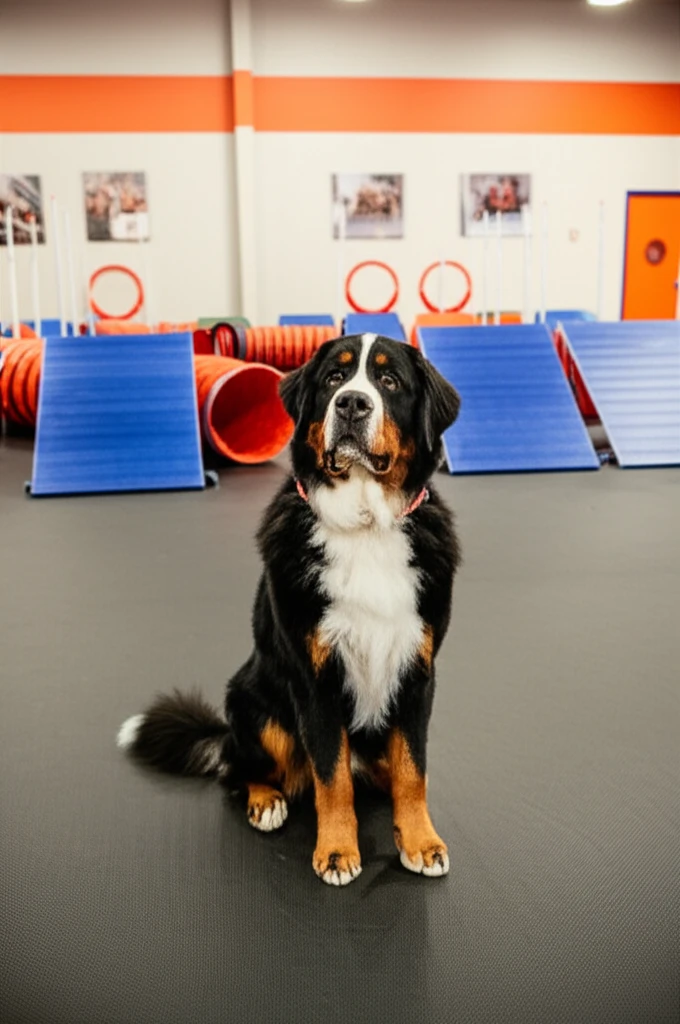
The Shyness That Sneaks Up on You
Bernese Mountain Dogs are genetically predisposed to caution around unfamiliar people and situations. It doesn't always look dramatic — your Berner puppy might just hang back a little, avoid eye contact with strangers, or press against your leg in new environments. It's easy to dismiss as "being a puppy" or assume they'll grow out of it. They won't. Without proactive socialization, that mild caution hardens into genuine shyness, and a shy 100-pound dog is a significant challenge to manage.
A shy Bernese Mountain Dog might refuse to walk in unfamiliar neighborhoods, bark and back away from visitors in your home, or shut down completely in new environments. This isn't a behavioral defect — it's what happens when a naturally reserved breed doesn't get enough positive exposure during the critical socialization window. The breed's deep loyalty to family is a beautiful trait, but the flip side is that anyone who isn't family can feel threatening if the dog hasn't learned otherwise.
If your Berner is still a puppy, you are in the best possible position. Prioritize socialization above everything else for the first four months. Expose your puppy to different people — men, women, children, people wearing hats, people with beards, people in uniforms — in calm, positive settings. Let your puppy approach at their own pace, reward any brave or curious behavior, and never force an interaction. A single overwhelming experience can set socialization back weeks. For Berners who are already showing signs of fear or avoidance, a structured desensitization program with a professional trainer is the most effective path forward.
Slow to Mature, Worth the Wait
Bernese Mountain Dogs are one of the slowest breeds to mature mentally. Your Berner will still act like a puppy at two years old — goofy, easily distracted, and prone to forgetting cues they knew perfectly last week. This is completely normal for the breed, and it catches a lot of owners off guard. They expect a dog that large to act like an adult, and what they get is a 90-pound puppy who still thinks jumping on the couch is a great idea.
Training a Bernese Mountain Dog requires patience on a different scale than most breeds. You'll need to reteach things you thought were mastered. You'll need to keep sessions short and positive, because Berners are sensitive and will disengage if they feel pressured. And you'll need to accept that adolescence in this breed stretches well beyond the first birthday. This isn't stubbornness or a training failure — it's developmental reality.
The upside is significant: Bernese Mountain Dogs genuinely want to make you happy. They're not independent thinkers who need to be convinced that cooperation is worth it. They're eager, willing dogs who simply need more time to process and consolidate what they've learned. Meet them where they are, keep your expectations age-appropriate, and celebrate progress rather than demanding perfection. The steady, reliable companion you're working toward will emerge — just on the Berner's timeline, not yours.
Leash Manners for a Gentle Giant
A Bernese Mountain Dog who pulls on the leash isn't being defiant — they're a large, enthusiastic dog who hasn't yet learned that walking beside you is more rewarding than surging ahead. And because Berners can weigh over 100 pounds, pulling isn't just a training issue — it's a safety issue. An excited Berner can easily pull a small adult off balance, especially on wet or uneven surfaces.
Loose leash walking should be a priority from puppyhood. Use a front-clip harness to reduce pulling mechanically, and pair it with positive reinforcement for walking at your side. The technique is simple but requires consistency: when your Berner walks beside you, they get rewarded. When they pull ahead, you stop moving. The leash is not a steering mechanism — it's a safety backup. Your Berner needs to learn that choosing to stay near you is what keeps the walk going.
Berners are sensitive dogs, and leash corrections — yanking, jerking, or popping the leash — will damage your relationship with this breed faster than with almost any other. A Bernese Mountain Dog who associates the leash with discomfort may refuse to walk, lag behind, or become anxious on outings. Keep the experience positive, use food to reward good positioning, and build the habit gradually. A Golden Retriever owner faces a similar training trajectory with another large, friendly breed — gentle persistence wins with both.
Socialization Beyond Puppyhood
Even if you did great work during the puppy socialization window, your Bernese Mountain Dog needs ongoing exposure to new people and environments throughout their life. This breed can become more reserved as they mature, and without continued socialization, a well-adjusted adolescent can become a wary adult. Think of socialization as maintenance, not a one-time project.
Group training classes are one of the best ongoing socialization tools for Berners. A structured class environment exposes your dog to unfamiliar people and dogs in a predictable, low-pressure setting. Over weeks of regular attendance, your Berner builds a broader comfort zone. They learn that new faces showing up is just part of life, not a reason for concern. The indoor, controlled setting of a training facility is especially helpful for shy Berners because the environment is consistent and free from the unpredictable stimuli of outdoor settings.
Pay special attention to how your Berner handles visitors in your home. Many Berners who are fine in neutral environments become anxious when strangers enter their space. Practice having friends come over with treats, keeping the initial interactions low-key and giving your Berner the option to approach or observe from a distance. Never corner your Berner into a greeting — a dog who feels trapped will become more fearful, not more social.
Making the Most of Your Time Together
The hardest truth about Bernese Mountain Dogs is their short lifespan. With an average of seven to eight years, every month of your Berner's life carries weight. The time you invest in training and socialization during puppyhood and adolescence directly shapes the quality of every year that follows. A well-trained, well-socialized Berner is a dog you can take anywhere — restaurants, hiking trails, family gatherings — and that access translates into a richer, fuller life together.
Berners don't need intense athletic training, but they do benefit from moderate physical activity and regular mental engagement. Short training sessions, nose work, and gentle activities like hiking on moderate terrain keep your Berner stimulated without overtaxing joints that are prone to issues in large breeds. Protect those joints during growth — avoid high-impact exercise and sustained running until your vet confirms the growth plates have closed.
At Zoom Room, our training programs give you the structure and professional guidance to build a strong foundation with your Bernese Mountain Dog — from puppy socialization through advanced obedience. Group classes provide the ongoing social exposure this breed needs, and our indoor environment keeps training consistent regardless of weather. Find a Zoom Room near you and give your Berner the best possible start.
Frequently Asked Questions
Are Bernese Mountain Dogs easy to train?
Berners are willing and eager to please, which makes them receptive to training. The challenge is their slow maturation — they stay mentally puppy-like longer than most breeds, which means you'll need more patience and more repetition than you might expect from a dog this smart. Keep training sessions short, positive, and pressure-free. Berners are sensitive and will shut down if they feel overwhelmed or corrected harshly. Approach training as an ongoing conversation rather than a checklist, and your Berner will reward you with steady, reliable progress.
How do I socialize a Bernese Mountain Dog who is already shy?
Start with distance. Identify what triggers your Berner's shyness — strangers, new environments, unfamiliar dogs — and expose them to those triggers from far enough away that they can observe without reacting fearfully. Reward any calm or curious behavior with high-value treats. Gradually decrease the distance over days or weeks as your Berner's comfort grows. Never force interactions, as this will confirm your dog's belief that the trigger is something to fear. Structured group classes in a calm, indoor environment provide excellent ongoing exposure at a controlled pace.
How much exercise does a Bernese Mountain Dog need?
Adult Berners need moderate daily exercise — typically a couple of walks plus some play or training time. They're not high-energy endurance dogs, but they do need regular movement and mental stimulation to stay healthy and content. During puppyhood and adolescence, protect those growing joints by avoiding high-impact activities like sustained running or jumping from heights. Mental enrichment through training sessions, puzzle toys, and nose work is just as important as physical exercise for keeping your Berner satisfied and well-adjusted.
Ready to Get Started?
Zoom Room's indoor training facility is the ideal environment for Bernese Mountain Dogs — structured, calm, and designed to build confidence in sensitive breeds. Find a location near you and start your Berner's training journey.
Find a Zoom Room