
How to Train a Miniature American Shepherd
If you chose a Miniature American Shepherd because you wanted an Australian Shepherd in a more apartment-friendly package, you got the package. You also got the same herding drive, the same mental demands, and the same vocal opinions about how you're running things.
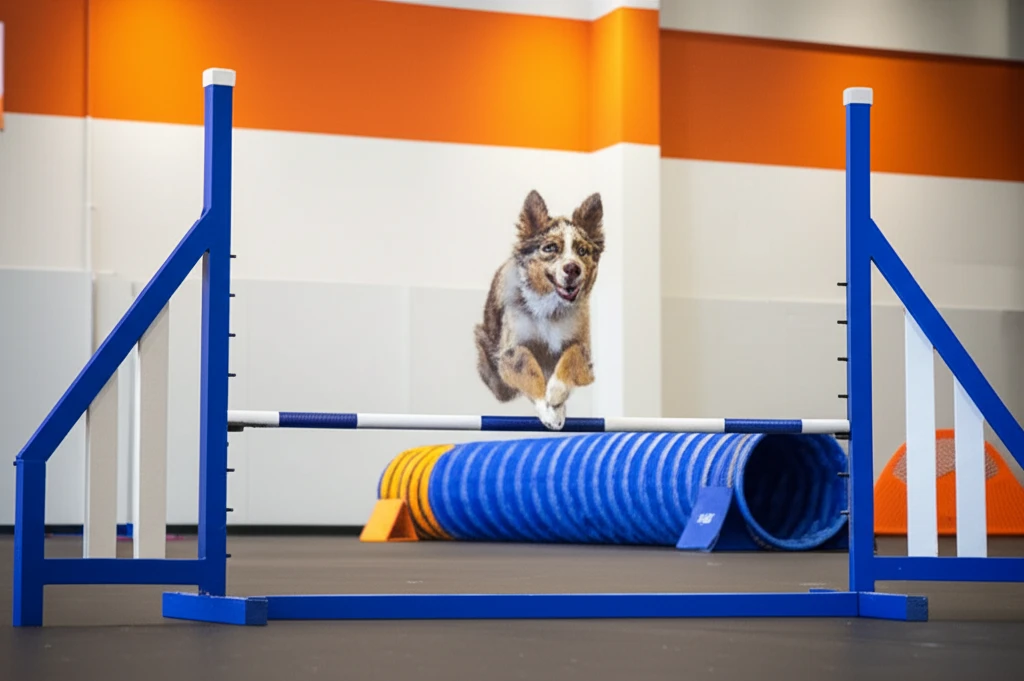
The "Smaller Means Easier" Myth
The Miniature American Shepherd is, genetically and behaviorally, a smaller version of the Australian Shepherd. That's not marketing. The breed was developed by selectively breeding small Aussies, and everything that makes an Aussie challenging came along for the ride. The intelligence, the herding instinct, the need for constant mental stimulation, the tendency to bark at anything that moves, and the physical endurance that outlasts most owners.
What changed is the size. What didn't change is anything else. A Mini American Shepherd who doesn't get enough mental and physical engagement will bark excessively, nip at ankles, develop obsessive behaviors, and find creative ways to destroy your belongings. The destruction might be on a smaller scale than a full-sized Aussie, but the frustration behind it is identical. Owners who treat this breed like a lap dog quickly discover they're living with a 30-pound working dog who is deeply dissatisfied with their job description.
The good news is that the same intelligence making them demanding also makes them incredibly responsive to training. Mini American Shepherds learn fast, love working with their handler, and thrive in structured activities. The challenge is keeping up with them.
Barking: It Means Something
Mini American Shepherds are vocal. Very vocal. If you're dealing with excessive barking, understand that this is not a random behavior. It's a herding breed doing what herding breeds do: vocalizing to manage their environment. Your Mini American barks at the mail carrier because something entered the territory. They bark at other dogs on walks because they're trying to control the interaction. They bark at you because you're not responding fast enough to whatever they think is important.
Punishing the bark doesn't work because the motivation behind it doesn't change. Your dog still needs to manage things. Instead, you need to address the underlying drive. Give your Mini American a legitimate outlet for their herding instincts through structured activities. Train an alternative behavior, like going to a mat or picking up a toy, that's incompatible with barking and gets rewarded consistently. Teach a quiet cue by capturing and rewarding moments of silence after a bark sequence.
Environmental management matters too. If your Mini American stands at the window barking at every passing dog and squirrel, that's a self-reinforcing behavior loop. Block visual access to high-trigger areas when you can't actively train. Each unrewarded barking episode is easier to replace with a new habit than hundreds of rehearsed ones.
Nipping and Herding Behavior
Your Mini American Shepherd nips at your kids' heels, chases the cat, and body-blocks your other dog in the hallway. None of this is aggression. It's herding behavior operating without a flock, and your household has become the substitute.
Puppy nipping in herding breeds has a different quality than in other puppies. It's targeted, purposeful, and directed at movement. Running children are the most common trigger because they look and move like livestock that needs redirecting. This pattern doesn't automatically fade with age the way general puppy mouthing does. If you don't address it specifically, your adult Mini American will still be herding your family.
The solution has two parts. First, manage the environment: when kids are running and playing, your Mini American needs to be on leash or in a separate space until training is solid. Second, redirect the herding drive. Impulse control exercises teach your dog to watch movement without reacting to it. Start with low-intensity motion, like slowly walking past your dog while they hold a stay, and build up to faster, more exciting movement over time. Reward the choice to watch without chasing. Agility and urban herding give the drive a legitimate outlet where nipping and chasing are channeled into structured activities.
Mental Stimulation Is Not Optional
A physically tired Mini American Shepherd who hasn't worked their brain is still going to cause problems. This is the mistake owners make most often: they add more walks, more fetch, more time at the dog park, and their dog is still wired. That's because physical exercise without mental engagement just produces a fitter dog with the same unmet needs.
Mini American Shepherds need their brain engaged every day. Training sessions that introduce new cues or build complexity on existing ones. Puzzle feeders that require problem-solving. Nose work that engages their scenting ability and forces focused concentration. Trick training that chains multiple behaviors into sequences. These activities tire the brain in ways that running cannot.
The ideal daily routine combines moderate physical exercise with dedicated mental work. A thirty-minute walk plus a fifteen-minute training session will produce a more settled dog than a ninety-minute hike with no mental component. Group training classes are particularly effective for this breed because they combine mental challenge, physical activity, and the social environment that herding breeds generally enjoy, all within a single session that addresses multiple needs simultaneously.
Consider agility as an ongoing activity for your Mini American. The combination of physical athleticism, handler communication, and rapid decision-making is almost perfectly matched to what this breed was built for. They're fast, agile, eager to work with you, and genuinely happy when they have a job that challenges both body and mind.
Building a Partnership That Works
The Mini American Shepherd's deepest need isn't exercise, although they need plenty. It's partnership. This breed was developed to work in close collaboration with a handler, reading body language and responding to subtle cues in real time. When that partnership is strong, your Mini American is one of the most responsive, biddable, and genuinely fun dogs you'll ever train. When it's weak, they fill the void with their own agenda, and you won't like the results.
Invest in your communication. Learn to read your dog's body language as carefully as they read yours. Notice when they're getting frustrated, overstimulated, or bored during training, and adjust before things go sideways. Use marker-based training to give precise feedback about exactly which behavior earned the reward. That clarity is what this breed lives for.
If you're working through specific challenges, whether it's barking, nipping, reactivity, or general management, structured group classes provide the professional guidance and controlled environment that make progress faster and more reliable. Find a Zoom Room near you to start building the partnership your Mini American Shepherd has been waiting for. This breed gives you exactly as much as you put in.
Frequently Asked Questions
Are Miniature American Shepherds easier to train than Australian Shepherds?
No. The training demands are essentially identical. Miniature American Shepherds have the same intelligence, herding drive, energy level, and need for mental stimulation as their full-sized Australian Shepherd relatives. The only real difference is physical size. A Mini American who doesn't get adequate training and mental enrichment will develop the same behavioral problems as an under-stimulated Aussie: excessive barking, nipping, destructive behavior, and anxiety. If you're looking for an easier herding breed, the size reduction alone won't get you there.
How do I stop my Miniature American Shepherd from barking so much?
First, understand that barking is hardwired herding behavior, not defiance. Your Mini American is trying to manage their environment the only way they know how. Reduce triggers by managing your dog's access to high-stimulation areas like windows facing busy streets. Train an alternative behavior that's incompatible with barking, such as going to a mat or holding a toy. Capture and reward moments of quiet after a barking episode. Most importantly, give the herding drive a legitimate outlet through structured activities like agility, nose work, or training sessions that challenge your dog's brain. When the underlying need is met, the barking typically decreases significantly.
Do Miniature American Shepherds do well in apartments?
They can, but not by default. A Mini American Shepherd in an apartment needs an owner who is committed to providing daily mental stimulation and physical exercise outside the home. The smaller size makes the physical space workable, but the breed's energy level and mental needs don't shrink with the body. Regular training classes, daily enrichment activities, and structured outings are non-negotiable. An apartment Mini American with a dedicated training routine will be calmer and happier than a suburban Mini American with a big yard and nothing to do.
Ready to Get Started?
Zoom Room offers agility, obedience, and enrichment programs designed for high-drive breeds like the Miniature American Shepherd. Train alongside your dog in a structured indoor environment with professional guidance.
Find a Zoom Room