
How to Train a Whippet
Your Whippet is a couch potato who can hit 35 miles per hour in seconds flat. That dual nature is the central challenge of the breed: a dog who is calm, gentle, and almost cat-like indoors, but who becomes a single-minded missile the moment a squirrel crosses their line of sight.
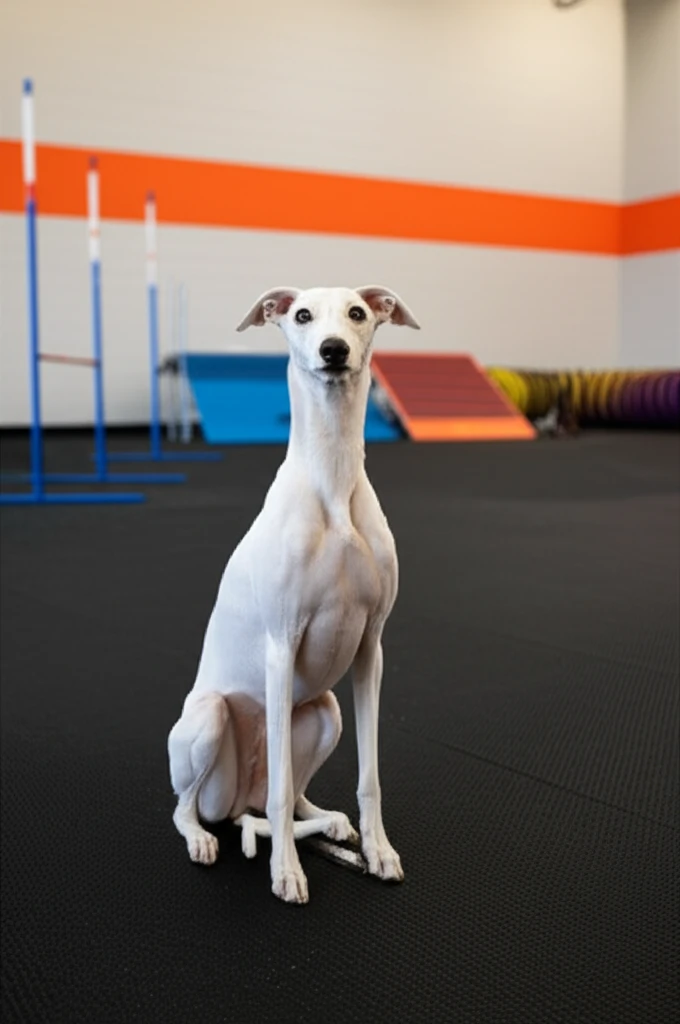
Prey Drive: The One Thing You Cannot Train Away
Whippets are sighthounds. They were bred for centuries to chase fast-moving prey by sight, and that instinct runs deeper than any cue you will ever teach. When your Whippet spots a rabbit, a squirrel, or even a plastic bag blowing across the park, something clicks in their brain that overrides everything else. This is not disobedience. This is genetics doing exactly what genetics does.
Understanding this matters because it changes how you approach off-leash freedom. Many Whippet owners learn the hard way that a dog with flawless recall in the living room will completely ignore you in the field when prey drive activates. The honest reality is that most Whippets cannot be trusted off-leash in unfenced areas, no matter how well trained they are. The drive is that strong, and the speed is that fast. By the time you call their name, they are already two hundred yards away.
This does not mean recall training is pointless. A strong recall cue gives you a tool for the 90 percent of situations where prey drive is not fully engaged. It also buys you critical seconds in transitional moments, when your Whippet is noticing something but has not yet locked on. But your primary management strategy should always be physical containment: a long line, a securely fenced area, or a leash. Think of recall as a backup system, not the primary one. A Whippet who gets loose near a road is in genuine danger because they will run without regard for traffic, and they close distances faster than you can react.
Training a Sensitive Sighthound
Whippets are among the most emotionally sensitive dog breeds. A raised voice, a sharp leash correction, or even visible frustration from you can shut a Whippet down completely. They do not push back against pressure the way a terrier might. They fold. A Whippet who associates training with stress will simply stop participating, and once that association is formed, it takes significant work to rebuild their confidence.
Positive reinforcement is not just the best approach for this breed; it is the only viable one. Use high-value treats, keep your voice warm and encouraging, and end every session on a success. If something is not working, drop the difficulty and ask for something easy so your Whippet can earn a reward and feel good about the interaction. Five minutes of confident, successful practice is worth far more than fifteen minutes of confused struggling.
Whippets are also sensitive to physical environments. Loud noises, chaotic settings, and slippery floors can all make a Whippet reluctant to engage. If your Whippet seems hesitant in a training environment, give them time to observe and acclimate before asking for anything. Pushing a Whippet past their comfort zone too quickly creates fear responses that are hard to undo. Patience with a sighthound is never wasted.
Impulse Control: The Bridge Between Couch and Chaos
Your Whippet has two speeds: zero and maximum. That lack of a middle gear is part of the breed's charm, but it also means you need to actively build impulse control as a skill. A Whippet with good impulse control can pause before reacting, which gives you a window to redirect them before prey drive takes over completely.
Start with basics that teach your Whippet to wait for permission. Hold a treat in your closed hand and let your Whippet sniff, paw, and nose at it. The moment they back off or look at you, open your hand and give the treat. This simple exercise teaches a foundational concept: calm behavior earns rewards, pushy behavior does not. Build from there to waiting at doorways, holding a stay while you walk away, and maintaining a sit while exciting things happen nearby.
Games that involve self-regulation are particularly valuable. Toss a treat on the floor and ask your Whippet to wait before going to get it. Start with one second and build to ten. Practice "ready, set" games where your Whippet learns that an explosive burst of running only happens after a calm hold. These exercises do not eliminate prey drive, but they build a neurological habit of pausing before acting, and that pause is everything when you need one extra second to redirect your Whippet's attention.
Socialization: Building a Confident Whippet
Whippets who are under-socialized tend toward timidity rather than aggression. A Whippet who has not been exposed to a wide range of people, environments, and situations during puppyhood can become a dog who trembles at new places, flinches at sudden movements, or shuts down in unfamiliar settings. Their natural sensitivity amplifies negative experiences, so the quality of socialization matters just as much as the quantity.
Introduce your Whippet puppy to new experiences at their pace. Let them observe from a distance before approaching. Reward any sign of curiosity or confidence. If your puppy backs away from something, do not drag them toward it. Create a positive association from whatever distance they are comfortable with, and let them close the gap on their own terms. Forcing a sighthound into a scary situation confirms their suspicion that the world is threatening.
Group training classes in a controlled, indoor environment are excellent for Whippet socialization. The setting is predictable, the other dogs are managed, and your Whippet can build confidence gradually through repeated positive experiences. If your adult Whippet is already showing signs of fear or avoidance, a structured desensitization plan will serve you better than flooding them with experiences and hoping they adjust.
Living Well With a Whippet
The Whippet's greatest training asset is their desire for comfort and connection. Unlike high-drive working breeds who need constant engagement, Whippets genuinely enjoy downtime. Once their exercise and enrichment needs are met, they are happy to curl up on the couch for hours. That makes them remarkably pleasant house dogs, provided you have addressed the two non-negotiable areas: managing prey drive and building confidence.
Daily exercise for a Whippet does not need to be marathon-length. A couple of short sprinting sessions in a fenced area, a brisk walk, and some mental enrichment through training or puzzle toys will satisfy most Whippets. They are sprinters, not endurance runners. A few explosive bursts of speed tire them more effectively than a long, steady jog. If you have access to a secure, fenced space, letting your Whippet run at full speed is one of the best gifts you can give them.
At Zoom Room, our training programs are built around positive reinforcement methods that work perfectly for sensitive breeds like the Whippet. Group classes give your Whippet the controlled socialization they need, and our trainers understand how to work with sighthound temperament rather than against it. Find a Zoom Room near you and give your Whippet a training experience designed for who they actually are.
Frequently Asked Questions
Can Whippets be trusted off-leash?
Most Whippets cannot be reliably trusted off-leash in unfenced areas, regardless of training. Their prey drive is hardwired and activates faster than any recall cue can override. A Whippet who spots a squirrel or rabbit will pursue it at speeds up to 35 miles per hour, ignoring everything else. Use a long line for outdoor freedom and reserve true off-leash time for securely fenced areas. Recall training is still valuable because it works in lower-stimulation situations and gives you a tool for the moments before prey drive fully engages, but physical containment should always be your primary safety strategy.
Are Whippets easy to train?
Whippets are intelligent and learn quickly when the approach matches their temperament. They respond beautifully to positive reinforcement, high-value treats, and a calm training style. The challenge is their sensitivity. Any pressure, frustration, or raised voice will cause a Whippet to shut down and disengage. Keep sessions short, upbeat, and pressure-free. End on a success every time. Whippets are not dogs who will repeat a behavior endlessly for a pat on the head. They need compelling motivation, which usually means excellent treats and genuine warmth from their handler.
How much exercise does a Whippet need?
Adult Whippets need moderate daily exercise, but the type matters more than the duration. They are sprinters, not endurance athletes. Two or three short bursts of running at full speed in a fenced area will tire a Whippet more effectively than a long walk. Combine physical exercise with mental stimulation through training sessions, puzzle toys, or nose work. Despite their athletic ability, Whippets are surprisingly low-energy at home once their exercise needs are met. Most are content to spend the rest of the day on the couch.
Ready to Get Started?
Zoom Room's positive reinforcement approach is a natural fit for sensitive sighthounds like the Whippet. Find a location near you and start building confidence, impulse control, and a stronger bond with your Whippet.
Find a Zoom Room