
Doga: Why Yoga with Your Dog Is Better Than It Sounds
Yes, it is called doga. Yes, it involves doing yoga with your dog. And yes, it is actually wonderful. Doga combines gentle stretching, bonding, and calm behavior practice into one session that benefits you and your dog equally.
What Is Doga, Exactly?
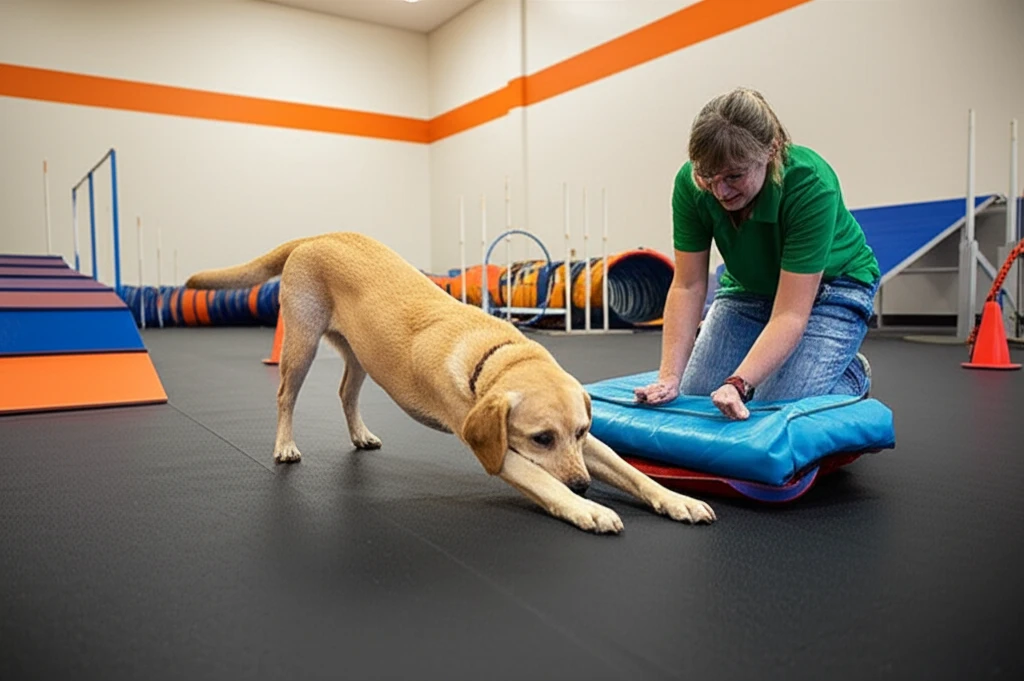
Doga is a yoga practice adapted to include your dog as a participant and a partner. It blends traditional yoga poses and stretches with gentle dog massage, assisted stretching for your dog, and calm bonding exercises that bring you and your dog into a shared state of relaxation. It is not competitive, it is not strenuous, and your dog does not need to hold a downward dog pose, though they may offer one on their own.
The practice originated as a way to bring the calming benefits of yoga into the human-dog relationship. If you have ever noticed your dog mirroring your energy, settling when you are calm and buzzing when you are stressed, doga leverages that connection intentionally. When you slow your breathing, relax your body, and move through gentle poses, your dog picks up on that shift and often settles alongside you.
Doga is not about making your dog do yoga. It is about doing yoga with your dog present and involved. Some moments involve gentle handling and massage. Others involve you holding a pose while your dog rests nearby or lies across your lap. The session creates a shared experience of calm that deepens your bond and reinforces the idea that stillness is rewarding.
Why Doga Benefits Your Dog
The physical benefits for your dog are real but gentle. Assisted stretches can improve flexibility, especially in older dogs or dogs with early mobility changes. Gentle massage increases circulation, reduces muscle tension, and gives you an opportunity to check your dog's body for lumps, sore spots, or changes you might miss during the bustle of daily life. For dogs with fitness goals, doga provides a low-impact activity that supplements more vigorous exercise.
The behavioral benefits are where doga really shines. Teaching your dog to be calm, relaxed, and settled in a group environment while you are doing something that does not directly involve them is a powerful skill. Dogs who learn to lie quietly on a mat during a doga session are practicing the same settle behavior that makes them great companions at restaurants, in hotel rooms, and at the office. The calm behavior is the point, and doga wraps it in an experience that feels good for both of you.
Doga also builds your dog's comfort with being handled. The gentle touches, stretches, and massage movements get your dog accustomed to body contact in a positive, low-pressure context. Dogs who are comfortable being handled are easier to groom, easier to examine at the vet, and generally more relaxed in situations that require physical contact.
Why Doga Benefits You
You showed up for your dog, but you get the yoga. Doga provides all the standard benefits of a gentle yoga practice: improved flexibility, reduced stress, better body awareness, and a mental reset from the pace of daily life. The addition of your dog makes it something more. The physical contact, the shared calm, and the focused attention on your dog create a bonding experience that is qualitatively different from a walk or a training session.
For owners who struggle to find time for both their own fitness and their dog's enrichment, doga combines the two. You are stretching, breathing, and centering yourself while simultaneously providing your dog with calm behavior practice, social exposure, and physical touch. It is a two-for-one that leaves you both better off.
The social component matters too. Doga classes bring together like-minded dog owners in a relaxed, judgment-free environment. You are not being evaluated on your yoga form or your dog's behavior. You are sharing a space with other people and dogs who are all working on the same thing: slowing down and being present together. That community aspect can be surprisingly meaningful, especially for new dog owners who are still building their support network.
What a Doga Class Looks Like
A typical doga class lasts 30 to 45 minutes and takes place in a clean, indoor space with plenty of room for each person-dog pair to spread out. You will need a yoga mat, and your dog will need a leash and a mat or bed of their own. Treats are usually welcome for reinforcing calm behavior.
The class begins with a settling period. You get on your mat, your dog gets on theirs, and the instructor guides you through breathing exercises while your dog acclimates to the space. Then the session moves through a series of gentle poses: seated stretches, floor work, standing poses adapted for having a dog nearby, and partner exercises where you gently stretch or massage your dog.
Some dogs lie calmly through the entire class on their first try. Others take a session or two to understand the rhythm. A dog who fidgets, sniffs around, or checks in with neighboring dogs during the first class is not failing. They are learning. The calm settle behavior develops with repetition, and most dogs settle more quickly with each session as they learn the pattern.
At Zoom Room, doga classes take place in our indoor dog gym and are guided by instructors who understand both yoga and dog behavior. They can help you modify poses around your dog's position, suggest massage techniques that your dog will enjoy, and guide you through the gentle handling exercises that make doga a rich enrichment experience for your dog. The environment is managed so every dog can relax, including dogs who are still building their confidence in group settings.
Getting Started with Doga
You do not need to be a yogi to do doga. If you can sit on the floor and breathe, you have enough experience. The yoga component is intentionally gentle and accessible, and the instructor will offer modifications for every skill level. Your flexibility does not matter. Your willingness to slow down and be present with your dog does.
Your dog does not need any special preparation either, though dogs who have some experience with settle or mat work will find the class easier. If your dog has never practiced lying calmly on a mat while you do something else, you can start at home. Place a mat or bed in the room where you stretch or exercise, and reward your dog for staying on it while you move through a few basic stretches. Build the duration gradually. This is the same calm fitness behavior that doga reinforces, and practicing at home gives your dog a head start.
Come with realistic expectations. Your dog may not lie in blissful serenity during the first class. They may fidget, investigate, or decide your mat is more comfortable than theirs. That is fine. The class is designed to accommodate dogs at every level of calm. What matters is that you are building the habit of shared stillness, and that habit gets stronger every time you practice.
Doga is one of those activities that sounds a little unusual until you try it. Then it becomes one of the best parts of your week. It is gentle exercise for you, enrichment for your dog, and quality time together that neither of you has to earn by performing. Just show up, breathe, and be with your dog. Zoom Room's class offerings include doga alongside agility, fitness, and training. Find a Zoom Room near you and see for yourself why doga is so much better than it sounds.
Frequently Asked Questions
Do I need yoga experience to try doga?
Not at all. Doga classes are designed to be accessible to complete beginners. The poses are gentle, modifications are always available, and the focus is on breathing, relaxation, and connecting with your dog rather than advanced yoga technique. If you can sit on the floor comfortably and move through basic stretches, you have everything you need. The instructor will guide you through every part of the class.
What if my dog is too hyper for doga?
Many dogs who seem too energetic for a calm class surprise their owners by settling in after the first few minutes. The structured environment, combined with the calming energy of the humans in the room, often brings out a quieter side of high-energy dogs. If your dog is genuinely unable to settle, the instructor can help you work on the edges of the class at your dog's pace. A brief walk before class to take the edge off helps too. Doga is actually a great training opportunity for dogs who need to learn to be calm, because it practices the exact skill they are missing.
Is doga safe for senior dogs or dogs with joint issues?
Doga is one of the safest physical activities for dogs of any age or physical condition. The movements are gentle, and the assisted stretches can actually benefit dogs with stiff joints or reduced flexibility. Let the instructor know about your dog's limitations so they can suggest appropriate modifications. For senior dogs, doga provides gentle physical engagement, mental enrichment through the handling and massage components, and the calming benefits of a low-stress group environment. It is often an ideal activity for older dogs who can no longer do high-impact exercise.
Ready to Try Doga?
Zoom Room's doga classes combine gentle yoga, dog massage, and calm behavior practice in a fun, welcoming environment. It is the best thing you and your dog can do together that does not involve a leash.
Find a Zoom Room