
How to Choose a Dog Breed: Lifestyle Match Over Love at First Sight
You fell in love with a breed on Instagram. The photos are gorgeous, the personality descriptions sound perfect, and you can already picture weekend hikes together. Before you commit, there are a few things the curated content does not show you, and they matter more than the aesthetic.
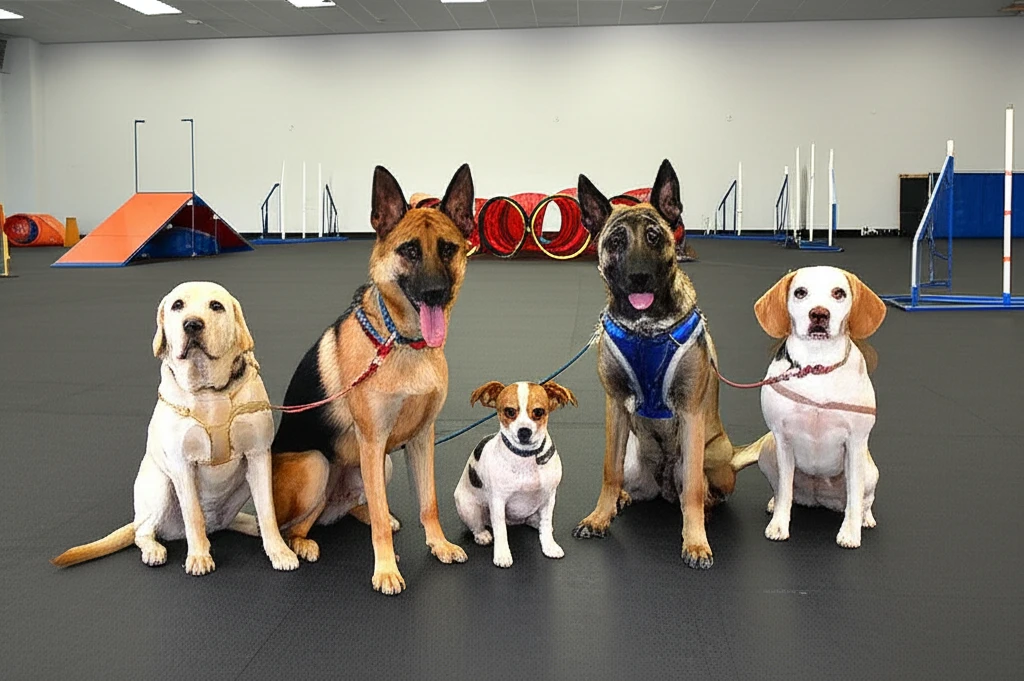
Start With Your Life, Not the Breed List
The most common breed-selection mistake is starting with the dog you want and trying to fit it into the life you have. The process works better in reverse: start with an honest inventory of your lifestyle and then find a dog that genuinely fits it.
Be specific. How many hours a day are you away from home? Do you live in an apartment or a house with a yard? How active are you really, not aspirationally, but on a typical Tuesday? Do you have young children? Other pets? Are you willing to groom a dog regularly, or is a low-maintenance coat important? Can you afford breed-specific health costs that might include surgery, ongoing medication, or specialist visits? Is this your first dog, or do you have experience handling strong-willed or high-drive breeds?
These are not fun questions. But they prevent the situation that shelters and rescues see constantly: a beautiful dog surrendered at 18 months because the owner did not realize how much exercise a working breed needs, how much a heavy-coated breed sheds, or how expensive brachycephalic (flat-faced) breeds are to keep healthy. The right match produces a good life for both of you. The wrong match produces frustration, guilt, and sometimes a dog that needs to be rehomed.
The Honest Truth About Energy Level, Grooming, and Health
Energy level is the single most important factor in breed selection, and it is the one people most frequently underestimate. Labrador Retrievers are the most popular family dog in America, and they are wonderful, but they are also sporting dogs bred to work all day in the field. A Lab who gets a 20-minute walk around the block is an under-exercised Lab, and under-exercised Labs express that energy through destructive chewing, counter-surfing, jumping, and general household chaos. Australian Shepherds are stunning, brilliant dogs who will absolutely herd your children, your other pets, and your guests if they do not have a job to do. Siberian Huskies need to run, and if you do not provide a sanctioned outlet, they will create their own, often by escaping your yard.
Conversely, if you are genuinely active and want a hiking, running, or adventure partner, a Cavalier King Charles Spaniel or a Shih Tzu is not the right match for sustained physical activity. These are companion breeds who thrive on moderate walks and couch time, and pushing them through strenuous exercise can cause health problems.
Grooming is a lifestyle commitment people routinely underestimate. Double-coated breeds like Bernese Mountain Dogs and Golden Retrievers shed heavily year-round with seasonal blowouts that cover every surface in your home. Poodles and poodle mixes do not shed much, but they require professional grooming every four to eight weeks for their entire lives, which adds up to a significant annual cost. Short-coated breeds shed too, just in smaller, harder-to-remove hairs that embed in furniture and clothing.
Health costs vary dramatically by breed. Flat-faced breeds like French Bulldogs, English Bulldogs, and Pugs are prone to breathing difficulties, spinal issues, skin fold infections, eye problems, and heat intolerance. The lifetime health cost for these breeds is often significantly higher than average. Large and giant breeds are prone to joint problems and have shorter lifespans. Deep-chested breeds are at higher risk for bloat, a life-threatening emergency. None of this means you should not get these breeds. It means you should go in with open eyes and a financial plan.
The Hypoallergenic Myth and Other Marketing
No dog breed is truly hypoallergenic. The allergen that triggers most human reactions is a protein found in dog saliva, urine, and dander, not in the fur itself. Breeds that shed less, like Poodles, Bichon Frises, and Portuguese Water Dogs, produce less airborne dander because less hair is floating around, which can reduce allergic reactions for some people. But they still produce the allergen. If you have dog allergies, spend extended time with the specific breed you are considering before committing. Individual variation within a breed can be significant, meaning one Poodle might trigger your allergies while another does not.
Other marketing claims to look at critically: "easy to train" usually means the breed is eager to please and food-motivated, not that they require less effort. Highly trainable breeds like Australian Shepherds and Shetland Sheepdogs learn quickly, which means they learn unwanted behaviors just as fast as the ones you intended to teach. "Good with kids" is a breed tendency, not a guarantee. Every individual dog needs proper socialization with children, and every child needs to learn how to interact with dogs respectfully. "Low energy" in a breed description is relative. A "low energy" Labrador still needs significantly more exercise than a "low energy" Maltese.
The best way to understand a breed is to talk to people who live with them, not people who breed or show them. Breed enthusiasts love their breed and may minimize the challenges. Regular owners will tell you what the first year was actually like, what the vet bills run, and what they wish they had known before getting the dog. Online breed communities can be helpful for this kind of honest perspective.
Breeder vs. Rescue: Making the Right Choice for You
This is a personal decision, and both paths can lead to a great dog. What matters is making the choice with accurate information rather than guilt or assumptions.
Going through a responsible breeder means you get a puppy with a known history: known parents, known health testing, known early socialization, and a breeder who can answer your questions about the breed for the life of the dog. Responsible breeders health-test their breeding dogs, socialize puppies from birth, and take dogs back if the placement does not work out. They typically have waitlists, and their puppies are not cheap. That cost reflects the investment in health testing, veterinary care, and quality breeding practices. Red flags include breeders with multiple litters available immediately, no health testing documentation, no interest in your living situation, and willingness to ship puppies to anyone who pays.
Adopting from a rescue or shelter gives a dog a second chance and often costs significantly less upfront. Many rescued dogs are adults, which means their size, energy level, and temperament are already established and you can evaluate the match before committing. The trade-off is less information about history, potential behavioral or medical unknowns, and in some cases a dog who missed critical socialization during puppyhood. None of these are deal-breakers. They just mean you go in prepared for an adjustment period and with a plan for professional support if behavioral challenges emerge.
Breed-specific rescues are worth exploring if you have your heart set on a particular breed. They often have dogs of all ages and can match you based on temperament and lifestyle. Many of these dogs come from situations where the original owner underestimated the breed's needs, which means the rescue can give you a realistic picture of what living with the breed is actually like.
Making the Decision and Preparing for Day One
Once you have narrowed your options, visit with the dog or breed before committing. If you are going through a breeder, ask to meet the parents and see the environment where the puppies are raised. If you are adopting, spend time with the dog outside the kennel environment if the rescue allows it. Shelter behavior is not home behavior. A dog who is shut down or frantic in a kennel may be calm and lovely in a home setting, and vice versa.
Before you bring your dog home, line up the basics. Schedule a vet appointment within the first week. Stock the essentials: crate, leash, collar with ID tag, food, water bowls, enzymatic cleaner, treats, and a few durable toys. Identify a puppy socialization or obedience class and get registered. Zoom Room locations offer classes for puppies starting at eight weeks and for adult dogs at any stage, so you can start building skills and socialization from the beginning regardless of your dog's age.
Read up on what the first days and weeks will look like. If you are bringing home a puppy, the first-time dog owner guide covers the practical essentials. If you are adopting an adult dog, the adjustment process has its own timeline and considerations. Either way, having realistic expectations about the first month makes the experience better for both of you.
The right breed, matched to your real lifestyle and supported by professional training from the start, sets you up for 10 to 15 years of a relationship that genuinely improves your life. That is worth taking the time to get right.
Frequently Asked Questions
What is the best dog breed for a first-time owner?
There is no single best breed for first-time owners because the right dog depends on your specific lifestyle. That said, breeds that tend to be forgiving of beginner mistakes include Labrador Retrievers, Golden Retrievers, Cavalier King Charles Spaniels, and Poodles of various sizes. These breeds are generally eager to please, food-motivated, and responsive to positive reinforcement training, which makes the learning curve more manageable. The key is still matching the breed's energy level and needs to your actual daily life. A first-time owner who works from home and loves hiking is a different match than a first-time owner who commutes long hours and lives in a studio apartment.
Should I get two puppies at the same time so they keep each other company?
This is almost universally discouraged by trainers and behaviorists. Two puppies raised together often bond more strongly to each other than to their human family, a phenomenon sometimes called littermate syndrome. They can develop severe anxiety when separated, fail to develop individual confidence, and become difficult to train because they are constantly focused on each other. If you want two dogs, the recommended approach is to get one, train and socialize them thoroughly, and then add a second dog after the first is well-established, typically at least a year later. This gives each dog the individual attention they need during their critical developmental period.
How important is it to meet the puppy's parents before buying from a breeder?
Very important. Meeting at least the mother (and the father, if available) gives you direct information about temperament, size, and behavior that no photo or description can provide. A nervous, fearful, or aggressive parent is a red flag both for genetics and for the socialization environment the puppies are being raised in. The mother's temperament particularly influences the puppies because they spend their first weeks learning from her emotional responses to the world. A responsible breeder will welcome your visit, show you where the puppies are raised, and introduce you to the parents. A breeder who discourages visits or offers to meet you in a parking lot is a breeder to walk away from.
Ready to Get Started?
Whatever breed you choose, Zoom Room is here from day one. Our puppy socialization, obedience, and specialty classes are designed for every breed and every experience level. You train alongside your dog with professional guidance.
Find a Zoom Room